I Watched My Daughter's Life Change After These Surgeries with Dr Kikkawa…read more
I am writing this as a mother who watched her daughter go into what she was told were routine eyelid procedures and come out with permanent consequences she was never warned about.
My daughter sought care at Shiley Eye Institute for excessive tearing in one eye. She already had a long-standing dry eye condition, which she clearly disclosed. Dr. Kikkawa recommended multiple procedures to be done together, including tear duct surgery, ptosis repair, and what was described to us as minor skin removal. She was assured these procedures would be safe, would not worsen her dry eye, and would require only a short recovery. We were told she would not be left worse off.
That is not what happened.
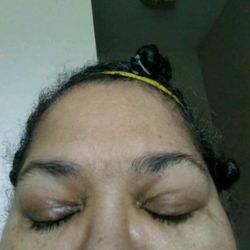
Nearly two years later, I have watched my daughter struggle with chronic eye pain, constant discomfort, and a permanently worsened dry eye condition that multiple specialists have told her will not improve. Her eyelid structure is visibly altered, her eyes no longer look the way they did before surgery, and she now experiences involuntary eyelid spasms. She uses multiple vials of artificial tears every day just to function.
What was especially disturbing to me as her mother was how long and painful her recovery was. For over a year, she dealt with severe eyelid pain, slept upright for months, taped her eyes at night, and could not even hold her eyelids open as the day went on. This was repeatedly dismissed as "slow healing," and recovery was now change from 2 weeks to a year which is the time limit for filing a legal case.
I was also deeply concerned by what I later learned about consent and documentation. On the day of surgery, my daughter was not allowed to see her informed consent before signing an electronic box, despite requesting to see it. Months later, when she finally obtained the document, it listed serious risks in bold including permanent changes to eyelid structure and worsening dry eye that she was never told about beforehand or assured these were not in fact risks. Instead, she was verbally reassured that her dry eye would not be affected, which directly contradicts what ultimately happened among other awful complications.
We were also shocked to learn from the operative record that one of the surgeries was not documented at all. Other surgeons later expressed surprise that all of these procedures were combined given her medical history and that medically unnecessary surgeries were submitted as necessary
As a mother, one of the most troubling moments for me was hearing how, just before surgery, Dr. Kikkawa raised his voice at my daughter in the surgical area. She felt scared and pressured to proceed at a moment when she should have been able to pause or reconsider. Patients should know that they still have the right to stop a procedure up until anesthesia is given.
I am sharing this because I wish someone had warned us. My daughter trusted that she was being given full, honest information about risks, recovery, and alternatives. Instead, she is living with permanent consequences that could of been foreseen if the surgeon took her history seriously. Patients deserve transparency, so that they can give an informed consent, and the surgeon should have realistic discussions based on evidence not belief especially when multiple procedures are involved.
I have never seen my daughter go through something this difficult. No one should. It is heartbreaking.