Swallow Cliff Woods Photos


You might also consider


More like Swallow Cliff Woods
Recommended Reviews - Swallow Cliff Woods
Start your review...


Reviews With Photos


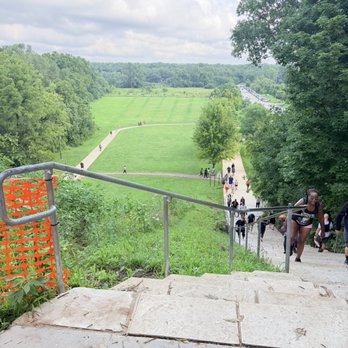
Popular on the weekends. The parking going in can fill up but if you drive closer to the stairs there is an additional parking on the left side. The stairs is actually not that high possibly only a hundred steps. The left stairs only has 1 landing 3/4 way up. The right-hand side stairs has landings every 15 steps or so. The trail by the woods is well-shaded. If you want to skip the stairs and just walk on the woods there is a parking lot entrance from Rt 45.


Love swallow cliff stairs! This is definitely a workout!! My goodness this is nothing like regular stairs or a stair climber. For those that even exercise regularly, this is a tough workout and you really have to build up to it. Nice location, great walking trail in addition to the stairs. Everyone that goes is very friendly. In the summer the smoothie shop is open. Police regularly patrol the area. Super big parking lots. The only issue is that you're really supposed to walk up one side and down the other - but often people are walking up and down the main flight of stairs which is annoying. Aside from that, it's a great experience.


Heard about this place for years and finally went! A great way to build up endurance. Planning for the manitou incline in Colorado next month. Did five flights the first week then ten the next. There's two sets of stairs and has a bead counter on top if you want to use. Plenty of walking and biking trails near by.
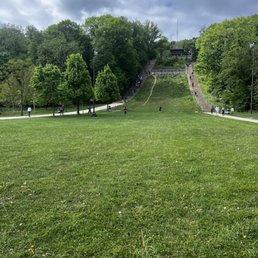

When I say these stairs are the TRUTH, I mean it. I was only able to make it around 3 times, but I'm still feeling the experience days later.
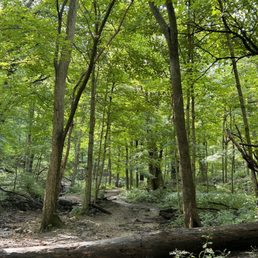

With my friend!! I got to stay at my friends house and she took me to this beautiful place. We walked 4 miles enjoying the beautiful nature. Everything so green and beautiful. I loved it. It was not too muddy and not to dry as it rains randomly. The trees are shading the whole trail. I felt recharged and refreshed after the walk. It is a very pleasant visit. The trails are very easy to walk it is just flat with hardly any hills. Definitely a place to go often if you can. I saw different people from different ages. I could see they walking and walking the long stairs more than once. I was very shocked because I got tired with going up one time. I need to get in shape and be ready when and if I go back. Thank you to my friend that took me to this beautiful nature.
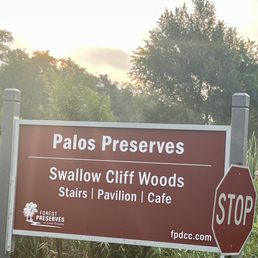

Had thirty minutes to kill while waiting to pick up an item for my husband. I decided it's the perfect opportunity for a nice walk. The weather was beautiful; mid seventies, with a sunny sky and a good breeze. The sounds of nature was the only music needed. Birds chirping, bugs buzzing and whizzing, leaves rustling and the rocks cracking under my feet. Power walked down the trail and took a nice stroll back to my car. Just what the body and mind needed.


Coming here never gets old. A great way to spend time in the outdoors walking the nature trails or exercising on the stairs. There's bathrooms, water fountains & a little smoothie shop located at the bottom of the stairs (the shop is not always open). The whole place is well maintained with a large parking lot too. My favorite thing is to workout and watch the sun fully rise!


I haven't visited this park in over five years. We hiked for two hours. My friend Andrea led the hike. It was very peaceful and clean. They even have a black- owned smoothie bar at the entrance of the stairs. I will definitely visit again.


Swallow Cliffs has an enjoyable walking trail with a significant number of steps that can pose a challenge for some. Once you reach the top, the trail continues with some terrain, so wear comfortable shoes, and enjoy the hike. There is a smoothie shop conveniently located in the lower area near the parking lot, which is a plus after all the walking.


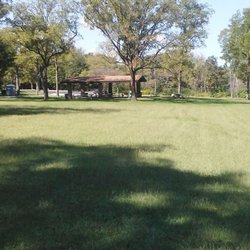
First hike in this area. Recently joined a group that likes to do outdoors event. They picked this area for our monthly event and it was perfect. In addition to great pathways...there are stairs, and rentable Pavillion. Plenty of parking and easy to find. Will be back to hit the stairs again.


Amazing outdoor workout. I love coming here. I convince my two friends to join me for an outdoor adventure. We enjoyed being out in nature and walking the stairs. We walked along the trails which was nice. We met some very nice people along the trails. Everyone seemed so friendly. As your walking please be careful to watch where your going. A lot of horse poop on the road. We even saw Bambi (A baby deer) who popped out. Enjoyable place to come and exercise. Beautiful Scenery


I back here afther 2 years hick hick almost all people wear mask and we keep the area clean
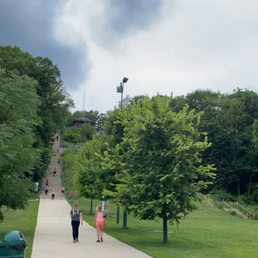

Want a free workout that will kick your butt? Head over to the Swallow Cliff stairs. There are people of all fitness levels that make the trek here. Stay to the right and keep your own pace. The forest preserve has done a nice job maintaining the area. There are tables to have a picnic, clean bathrooms, and seasonal café. There is a decent amount of parking too. It does get packed if weather is nice. People like to use rocks to track their loop numbers. Signs say no dogs allowed on the stairs. read more


The stairs start out widely spaced and then desend as a normal staircase . There is and opening in the middle where you can rest or turn around. It maybe a bit strenuous for old geezers like me , but I played off the rest stop like I didn't to use my phone . Some long shaded benches greet you on top or choose from four pavilion benches ( see picture ) read more


4 months ago
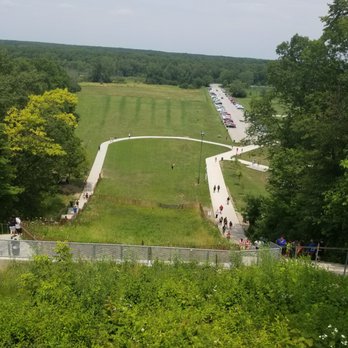
The stairs provide a pretty intense workout-the east steps are rough and a little irregular while the west set is a bit easier-more flat areas for breaks, if you need them. I go up the east side, down on the west. I think it's 125 stairs on the east, and 145 on the west. All ages and fitness levels are here! Lots of parking, clean. Dogs are not allowed on the stairs. There's a snack bar, restrooms, and a fairly large room for meetings, presentations, and activities. There are also several trails if you still have energy after the stairs! read more


2 months ago
Popular on the weekends. The parking going in can fill up but if you drive closer to the stairs there is an additional parking on the left side. The stairs is actually not that high possibly only a hundred steps. The left stairs only has 1 landing 3/4 way up. The right-hand side stairs has landings every 15 steps or so. The trail by the woods is well-shaded. If you want to skip the stairs and just walk on the woods there is a parking lot entrance from Rt 45. read more


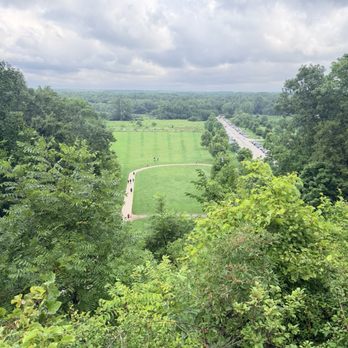


Love swallow cliff stairs! This is definitely a workout!! My goodness this is nothing like regular stairs or a stair climber. For those that even exercise regularly, this is a tough workout and you really have to build up to it. Nice location, great walking trail in addition to the stairs. Everyone that goes is very friendly. In the summer the smoothie shop is open. Police regularly patrol the area. Super big parking lots. The only issue is that you're really supposed to walk up one side and down the other - but often people are walking up and down the main flight of stairs which is annoying. Aside from that, it's a great experience. read more


Heard about this place for years and finally went! A great way to build up endurance. Planning for the manitou incline in Colorado next month. Did five flights the first week then ten the next. There's two sets of stairs and has a bead counter on top if you want to use. Plenty of walking and biking trails near by. read more


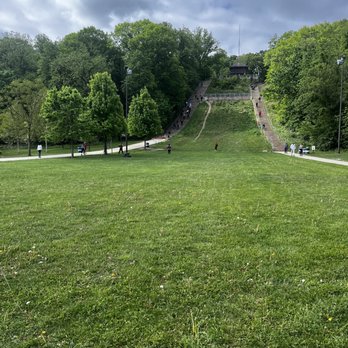


With my friend!! I got to stay at my friends house and she took me to this beautiful place. We walked 4 miles enjoying the beautiful nature. Everything so green and beautiful. I loved it. It was not too muddy and not to dry as it rains randomly. The trees are shading the whole trail. I felt recharged and refreshed after the walk. It is a very pleasant visit. The trails are very easy to walk it is just flat with hardly any hills. Definitely a place to go often if you can. I saw different people from different ages. I could see they walking and walking the long stairs more than once. I was very shocked because I got tired with going up one time. I need to get in shape and be ready when and if I go back. Thank you to my friend that took me to this beautiful nature. read more
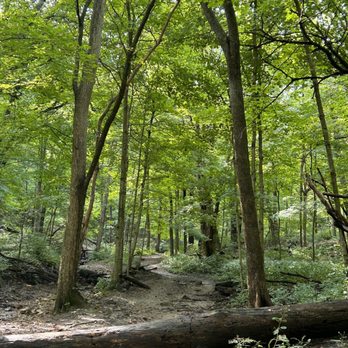


Had thirty minutes to kill while waiting to pick up an item for my husband. I decided it's the perfect opportunity for a nice walk. The weather was beautiful; mid seventies, with a sunny sky and a good breeze. The sounds of nature was the only music needed. Birds chirping, bugs buzzing and whizzing, leaves rustling and the rocks cracking under my feet. Power walked down the trail and took a nice stroll back to my car. Just what the body and mind needed. read more
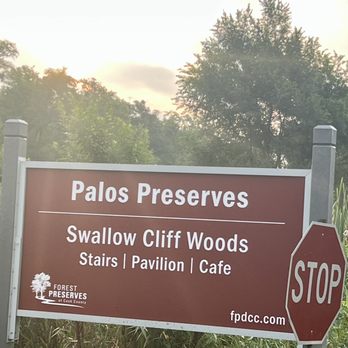


Coming here never gets old. A great way to spend time in the outdoors walking the nature trails or exercising on the stairs. There's bathrooms, water fountains & a little smoothie shop located at the bottom of the stairs (the shop is not always open). The whole place is well maintained with a large parking lot too. My favorite thing is to workout and watch the sun fully rise! read more


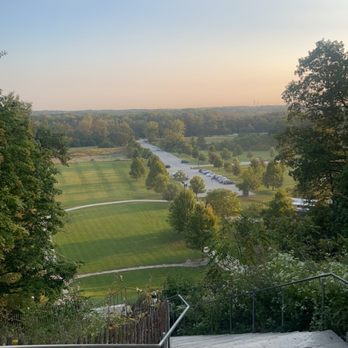


I haven't visited this park in over five years. We hiked for two hours. My friend Andrea led the hike. It was very peaceful and clean. They even have a black- owned smoothie bar at the entrance of the stairs. I will definitely visit again. read more


1 year ago

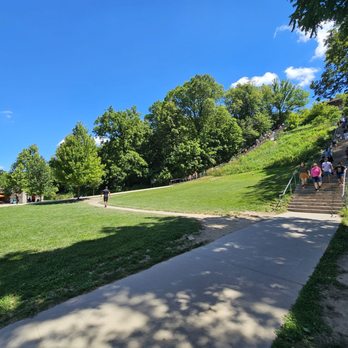
Swallow Cliffs has an enjoyable walking trail with a significant number of steps that can pose a challenge for some. Once you reach the top, the trail continues with some terrain, so wear comfortable shoes, and enjoy the hike. There is a smoothie shop conveniently located in the lower area near the parking lot, which is a plus after all the walking. read more




4 years ago
First hike in this area. Recently joined a group that likes to do outdoors event. They picked this area for our monthly event and it was perfect. In addition to great pathways...there are stairs, and rentable Pavillion. Plenty of parking and easy to find. Will be back to hit the stairs again. read more


6 years ago
Amazing outdoor workout. I love coming here. I convince my two friends to join me for an outdoor adventure. We enjoyed being out in nature and walking the stairs. We walked along the trails which was nice. We met some very nice people along the trails. Everyone seemed so friendly. As your walking please be careful to watch where your going. A lot of horse poop on the road. We even saw Bambi (A baby deer) who popped out. Enjoyable place to come and exercise. Beautiful Scenery read more


6 years ago
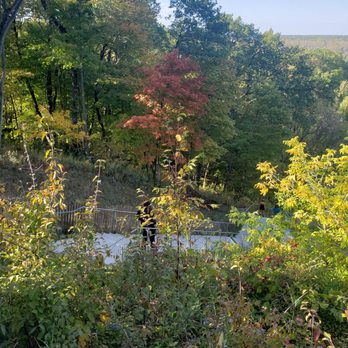
I back here afther 2 years hick hick almost all people wear mask and we keep the area clean read more




4 years ago
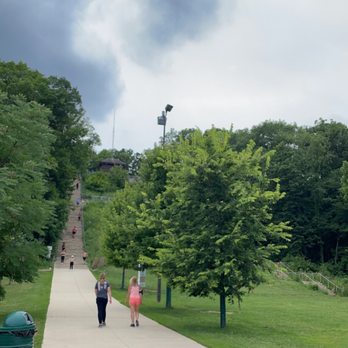
Absolutely loved my 1st time here!! Nature meets outdoor healthy mind & body walking & stair climbing. Plenty of parking, excellent for you! Highly recommend!! read more




4 years ago

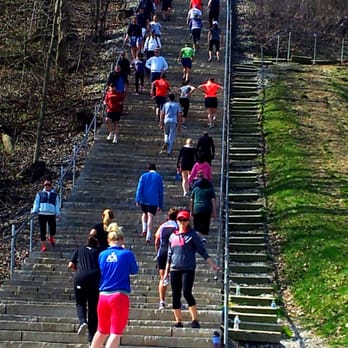
Holy goodness all that is torturous in the world! The stairs at Swallow Cliff ain't playing around! 125 stairs doesn't sound too bad but it's surprisingly rough! I workout 3-5x a week on an elliptical and treadmill yet these stairs put me completely out of breath. It's definitely a good workout! The stairs are all uneven and a bit sandy so you have to watch your step so you don't slip. Going up wasn't an issue but going down, I always held onto the rail to avoid flying down the steep stairs - I'm super clumsy! I went on a Saturday morning about 10 and it was completely packed. There are tons of men and women of all shapes & sizes working out on the stairs, so don't be intimidated. If you make it to the top, there is a path that extends into the forest which has far fewer people on it and is much more kind on the body for a nice stroll. read more




3 years ago

8 years ago

9 years ago
What a workout I went to this place on Sunday and today is Monday night and I am still feeling the intensity of my worker which included any each side of steps 10 times also what I liked about this is the Fantastic views that you get to admire once you get to the top you feel a sense of accomplishment this is a phenomenal place to get your workout on get your cardio on encourage other people's on their fitness journey play me photo ops plenty room for high impact or low-impact you set the tone for your Fitness pace As I was turning returning back up to do another flight of stairs one of the gentleman that worked at the park district handed me a protein strawberry banana sample which was absolutely delicious I believe he said there were $4 for a 16 oz cup a really enjoyed that sample and it gave me a little added boost I need to finish out my workout also what I saw Will Wait and a trampoline I don't know if they belong to someone but I seen several people enjoying that as well up at the top they have a hiking path that you can go along and hike for another added bonus to your workout how would definitely bring back I think the people uses facility in the winter time to to do some sledding it's free it's accessible and it was enjoyed by all read more


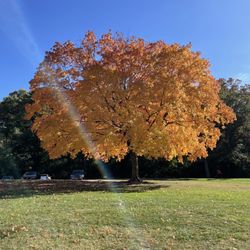
I love finding spots outside of the city. My friend and I ventured here cause we heard the stairs were a killer workout. They were!!! The steps were pretty crowded and the sun was beating down on us, but it was a good workout. We also decided to do the hike which was beautifully scenic and peaceful. There were even horses on the trial. I definitely want to go back during the fall when the leaves change colors. Plenty of FrEE parking at the trials as well. read more


4 years ago

7 years ago
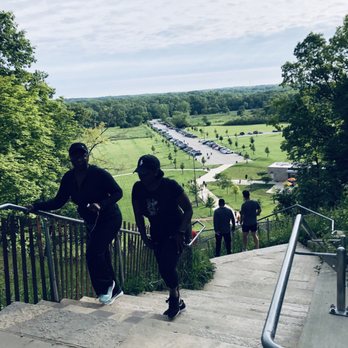
I go to this spot every other day to get in my floors. I love it because you can do a lap every time you get back down from the stairs, or take the trail when you get up to the stairs top! A nice temple looking wooden open space with a roof at the top of the stairs for rest and relaxation- and spying on other hikers! Haha. It's a spectators sport too! read more



10 years ago
TL, DR: Steps are cool, but the MILES of easy trails are good too! Bathrooms: near the café/main parking lot, brown/yellow trail, and in smaller parking lots. The steps are obviously the biggest attraction at Swallow Cliff Woods. People go up, down, and back again. I did 3 rounds myself - they're steep, resulting in a good workout! Very cool, but I think the Stairmaster at the gym is probably safer and less hectic for me. :) I spent most of my time (3 hours, 7.5 miles) on the brown and yellow trails to 104th Street and back. I didn't look up a map, but this is a huge preserve where you can obviously spend all day and still not cover the whole place! The trails were sparsely populated (most peeps are only working the stairs!) and had good tree cover/shade. Much of the trails are crushed limestone, somewhat rocky and sandy. They are relatively flat, though some have a bit of an incline. There are groups that horseback ride. While they're great about sharing the trail, watch out for horse poop! Water fountains and the nicer restrooms are by the Vamoose Café near the main parking lot. There is a bathroom near where the brown and yellow trail fork (marked on the trail marker) and port-a-potties in the smaller parking lots. I didn't see many animals - a deer, chipmunk, and butterflies - but it was also pretty hot. I see the attraction at Swallow Cliffs Woods being primarily the steep stairs, but it's a big place with easy hiking opportunities! Enjoy that too, folks! :) read more





14 years ago
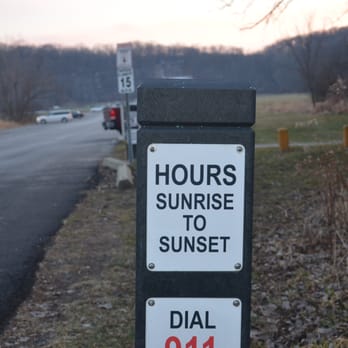
"The Stairs" are great. The whole area is very clean and open, definitely well maintained. I went up and down the steps about 4 times; FYI: Wear good grippy shoes, an old pair of Vans with less than adequate tread makes for a harrowing experience especially the DOWN part of The Stairs. The day I went there weren't too many people, even if there were more the stairs would be wide enough to move about freely. My only gripe is that there's no water fountain... at least I didn't see one around. While you're at The Stairs, you should definitely go exploring! The main trail is good but, if you take the side trails you're in for a real nature treat. Side trails are pretty isolated, with all the trees blocking the road noise and the lack of people on those side trails it's great. As for wildlife on those trails, it's typical - deer, squirrel, chipmunks musically talented OR animated) and plenty of birds. There was some rustling in the brush at which point I convinced myself it was just more deer and NOT a large carnivorous creature with a penchant for disemboweling and eventually eating Filipino's... I'd definitely recommend Swallow Cliff, here's the skinny: 1- Bring water and snacks; there's no vending machines. 2- Keep your pup on a leash; it's the rule. 3- GOOD SHOES; Those steps are pretty slippery with no tread. 4- Opens at sunrise, Closes at sunset; local cops DO come after sunset to check. 5- Large field; bring a football n play a game or a blanket n have a picnic! 6- Parking is easy, plenty of spaces and several different lots to choose from. If you haven't been there; GO! I'm definitely going back for more. read more







It amazes me how many people come here on a weekday just to crowd up uneven stone stairs. If you're not here for the stairs, there are nice trails through the mosquito forest for a jog, hike, or bike ride (cross country skiing is even possibru in the winter). There are many areas for a nice picnic as well! As much as I hate to admit it, I am not an outdoorsy person because of my strong hatred towards mosquitos (especially since I am bald right meow). There aren't many forest preserves in the Chicago suburbs so I'm glad I found this one even though I hate mosquitos. read more


On our way here we got lost but eventually found our way back. I guess we came the back way b/c there are no signs stating where to go or which turn to make. We had a distance from the car to the stairs but that was ok just more walking. So we finally found out way thanks to this couple that directed us lol. First thing the view is amazing just clear blue sky. Now these stairs isn't a joke OMG. We only did 3 down & 3 up. What amazed me was the ppl were running up & down the stairs. Overall we had a good walk & a great sweat. We'll be back. read more


We came...we saw...we conquered THE STAIRS!!!!!!!!! No gym? No problem! This place is your ultimate outdoor workout!!! What a wonderful place to go on a nice day... there's no way I'd do this in 90 degrees, however on a NICE day...this is a great place to visit!! I'm currently working on a 90 day challenge from my gym, I exercise on the regular... 5-6 days/week. I THOUGHT my cardio was on point till I attempted these stairs, talk about feeling the burn!!! I honestly think when it comes to cardio, stairs are in their own category...nothing like reminding you that you had a dumb social smoking habit years and years ago! I learned about this place about a year ago, and I'm so glad I picked a nice Sunday morning around 70 degrees to meet my friend here to get my morning workout in! Now down to the details...you'll find plenty of parking here, I think it's "Busy" no matter what time, but the traffic is moving, just jump right in and go! Once you climb the stairs (which, by the way are oddly shaped, they are no stairwell you'd find in an office building!) you'll come to an open area where you can pace...or continue onto the walking trail through the woods, which is a pretty nice walk. I left this place getting in my 10,000+ steps, all before noon! read more


11 years ago
Best forest preserve ever! It has hills, long trails and steps! It has big parking lots. And now they are adding a facility with bathrooms and water. Great place for good excersising and exploring nature. read more


Page 1 of 4
More info about Swallow Cliff Woods
11918 S La Grange Rd
Palos Hills, IL 60464
Directions
(800) 870-3666
Call Now
Visit Website
http://fpdcc.com/
Hours
Indoor Amenities
Outdoor Amenities
Ask the Community - Swallow Cliff Woods
What street would I need to come up to enter where the fishing pond parking lot is?
Do you mean Horsetail Lake? The parking lot entrance is off 104th Avenue just north of 123rd Street/McCarthy Road.
Can we currently sled on the former tobaggan hill?
Varíes. You'll have to call to find out!
How many stairs are there? How much elevation gain is it? And what is the total distance from bottom to top?
On the right side, it is 126 steps. On the left, it is 171 +/- 3
What are the best days to visit Swallow Cliff Woods?
Any day, really. It's more crowded in the late morning and weekends.
Is the park dog friendly? I leave her home all day because of work, and want to take her for walks around parks, not just in my neighborhood. I really think she would enjoy the stairs and time with her Momma.
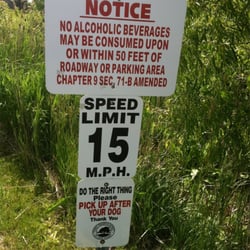
Cook county forest preserve requires all dogs must be leashed. The trails are great for dogs! So…
Review Highlights - Swallow Cliff Woods
You might also consider




























Why does Yelp recommend reviews?
14 reviews that are not currently recommended
The reviews below are not factored into the business's overall star rating.

14 years ago
4 years ago
7 years ago
7 years ago

10 years ago
7 years ago
7 years ago
6 years ago

10 years ago
9 years ago
7 years ago

9 years ago

10 years ago

13 years ago


