Vasamuseet Photos


Recommended Reviews - Vasamuseet
Start your review...


Reviews With Photos


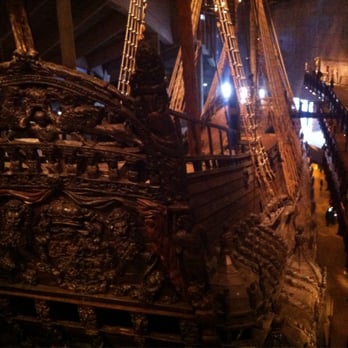
What an amazing story and museum. I, like many Americans, had never heard the story of the Vasa until my visit to Stockholm. Visiting this museum was a highlight of our trip. So much to see and imagine here. Words can't describe the feeling of walking into the museum and seeing the entire ship standing there just as it was when it fell to the bottom of the sea. Additional information about original art, the building of the ship, the time when it as built and some personal stories of those involved round out the museum. Seeing the movie about what happened is a must. In addition to the ship itself, I found the personal stories and the skeletal remains of the sailors, along with the DNA created images of what they would have looked like to be amazing. I would suggest spending an hour and a half to two hours there, depending on how fast you read and your depth of interest in information.


Astonishing. Seeing a 17th century ship is astonishing, let alone one which was intended to be amongst the biggest and best. This museum is world-class; design and displays are fascinating and add to experience. Every one deserves at lease a glance. BONUS nice cafe! TIP there's an audio-visual experience recounting a post-disaster inquest which adds a lot to your understanding of why Vasa could've sunk TIP consider riding a ferry; we rode 82 to Slussen.


This was a fabulous museum and one of the highlights during our recent travels to Scandinavia. We arrived before opening and waited outside looking at the Vasa's masts mounted on top of the museum. The replicas were meant to convey just how crazy tall this ship was and I certainly wouldn't be one to work at the top of the rigging! Once inside, we showed our Stockholm Pass QR codes and received a ticket to enter in the museum. Very quick. Once inside, the Vasa just towers over you. It was an amazingly preserved warship that has to be seen in person. We took the first tour of the day and enjoyed the stories and history the guide conveyed to us. Well worth it to get these insights before wandering on each floor to see more up close. Other exhibits included the fateful day of the Vasa sinking, life on board, and more of the artifacts recovered including the sails. Overall we spent two hours here and enjoyed all of it.


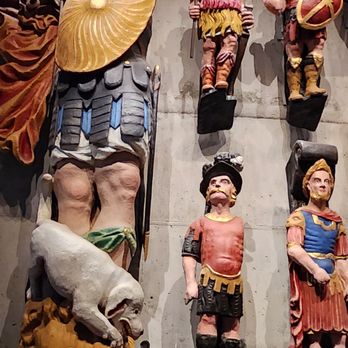
The Vasa Museum is a can't miss experience when you are in Stockholm. It's a 10-star experience on a five-point scale. The story of the Vasa, a huge Viking Ship starts in the 1600's. It was built from 1626 and 1628. On August 10, 1628 it set sail for the very first time. After sailing for 1400 yards, it tipped over and sunk. The ship was discovered in the 1950's and was surfaced 1961. The one lucky thing about the Vasa was that it sank in one of the few ocean environments that would have completely dissolved the ship. The Vasa sank in the Baltic Sea's cold, low-salinity, and oxygen-poor water, which prevented wood-eating shipworms from infesting the ship. This was due to it sinking close to Stockholm where the ocean meets fresh water. After being salvaged, it was preserved through a 17-year process of spraying the wood with a water-soluble wax called polyethylene glycol (PEG) to prevent it from drying out and cracking, and the ship is now in a climate-controlled environment. Although the wood was preserved, much of the iron which held it together rusted, so the restoration took decades. Because of the fact that it was salvaged in tack at a time when the knowledge and technology existed to preserve and restore the ship, it is like a time travel back to the 1600's. Although the museum opened in 1990, there was still decades of more restoration, it is now ready for prime time. The museum includes the restored ship (which is HUGE), models of what it looked like originally (all of the wood carvings were brightly colored), a full scale model of the front of the ship that you can walk through, the original clothes and artifacts that were found intact on the ship, and multiple exhibits. Why did the ship sink in the first place? The king insisted that an additional level be added to the original design, making it obviously top heavy. However, back in the 1600's to disagree with the King meant instant death, so even though the architects knew it couldn't stay afloat, no told the king, Gustavus Adolphus.
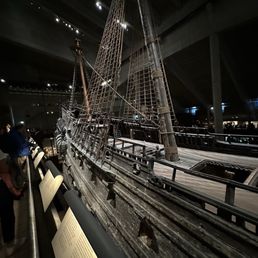

The Vasa Museum is built around a 17th-century warship that sank on its maiden voyage and was salvaged centuries later. Seeing it up close is striking, detailed, and well-preserved. The exhibits are clear and engaging, with just the right amount of context. Perfect for a rainy day. It was very crowded when we left, so reserve tickets ahead if you can. Overall, definitely worth the visit if you're in Stockholm.


This was one of the most interesting museums I've ever been to. My initial thought was, how much content could there be for a museum about just one boat? Well tons! They found a way to highlight so many aspects of this ship's short journey. The museum touches on the passengers, the construction, the history and the unfortunate fate of the ship's maiden voyage among many other aspects. This museum is well worth your time.


I almost did not go to the Vasa museum, because it was a long walk from the hotel and how interesting can an old ship be? I bought a ticket in advance to try and avoid a long line. The timed ticket entry says 10:00 am when the museum opens, but in the museum FAQ, you can show up any time and we got there around 11:00 am and it was fine. However there was only one line to enter, so buying a ticket (and printing it) ahead of time just allowed them to scan my tickets and enter, but we were still in the same line as the people buying tickets. Fortunately, it was a short line that went quickly. I just didn't want to walk all the way and find that we could not get in the museum since it was sold out or at capacity, but this was April/non-peak time on a Saturday, and it was fine. When you enter the dark museum and see the old ship towering above you, it is definitely impressive with the height and intricate wood carvings. See when the next introduction movie plays in your language of choice to watch first and grab a brochure in your language. The signs are also in English which was really nice. Some people rented audio guides, but we just read the placards. The movie explains what was happening in Sweden when the ship was created and how the King wanted an extra row / a third of cannons on the Vasa ship. A few days later we were in Copenhagen and saw a Danish model ship with three rows/ levels of cannons, so I can see why the King in Sweden wanted a third level. We were in the museum for around 3.5 hours, so yes, an old ship and its engineering and recovery, seeing a painted replica of what the carvings looked like, artifacts and skeletons recovered, getting insight into life was like as a sailor or officer, the technology used to restore the ship, and the cool Infrared light which showed you and your heat you are emitting all made for a very interesting and enjoyable day. There are bathrooms and a nice cafe with healthier than American food choices plus pastries. I think you could have a nice lunch at the cafe, but we just had our Fika/coffee break to keep us going. Other than the cafe, there was not a lot of chairs to rest your feet or if you are mobility impaired. Downstairs was an amphitheater seating area where I rested up after being there 3 hours. There were several floors to the museum which was great in it allowed you to get closer to the ship to see the detail. I am assuming there was an elevator somewhere, but just know there are stairs with plenty to see on each level.
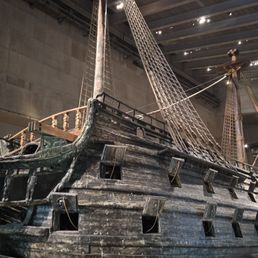

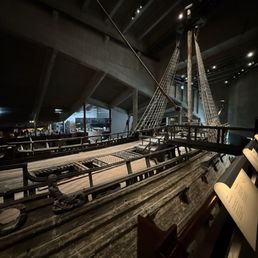


So much history, lots to see in this museum, it is more than just a warship that tragically drowned. They show a short film in 17mins intervals so check the times and languages before visiting. We got lucky we arrived just in time for the English version, and learned a lot about the making of the ship.


Entirely devoted to unpacking the history around the best-preserved old Viking ship, the Vasa Museum is an absolute must when visiting Stockholm. Located near the southeast edge of the island of Djurgården, Vasa is easiest to get to via public transit/bus from the main part of Stockholm (~10 min ride from Östermalm). Tickets for the museum are roughly $24 usd (230 sek) and are easy to buy online with delivery electronically to your phone or at the museum. The main entrance brings you to level 4 (out of 7, but the first floor isn't part of the museum). You can see the main part of the ship immediately, but beware the ship is HUGE and spans 7 floors total for height. There's a recommended roughly 20 minute introductory film to see first. It runs in multiple languages (with English subtitles) and also in English three times an hour. The film was super interesting and gave a good overview of the history and significance of the initial difficulty of finding the Vasa and then pulling it above ground and starting the long process of preservation and restoration. After the film, there are a few options for perusing the actual ship & museum: a recommended ~ 25 minute guided tour (offered on the half hour and hour) around level 4, an audio guide that covers each exhibit across the 6 main floors of the museum, or just walking around, reading the exhibit cards and watching short films where offered. I did all three but a note on the audio guide: it streams from their website via your phone (there is free WiFi for this), so you might want bring your own headphones for this option. I enjoyed the guided tour best - our guide was lively, a total nerd about the history of it, and told us each guide would put their own spin on the tour so encouraged us to feel feee to attend other guided tours! It's easy to access the museum via stairs or a gigantic elevator, but beware there's sometimes a wait for the elevator. Each floor gives you a different unique vantage point of the ship and are themed to showcase different aspects of it; floor 4 (main entrance) showcases the highlights of the history and architecture, floor 7 mostly gives you a majestic view from the top of the ship, floor 6 goes more in depth to the architecture, floor 5 (my favorite) gives you insight to life on board, floor 3 talks about Sweden during the 1600s, and floor 2 goes in depth to the rebuilding process. I spent 2-3 hours going through the museum. On a rainy weekday in May, it was certainly crowded, despite getting there shortly after opening, filled with school groups and tourists, but still felt comfortable and I only had to wait a couple of minutes max to use the restroom. I didn't partake in the cafe but the gift shop had some nice artsy tote bags and the like. Overall this is an incredibly well curated and interesting way to see a very unique piece of Scandinavian history. Even if you're not keen on history, I'd highly encourage anyone visiting to check this spot out and get a chuckle out of the story behind the sinking and be impressed by just how cool this ship is in person!


5 years ago


13 years ago
It's an enormous ship. It's beautifully preserved. It's been the focus of groundbreaking international research for decades. It's got a fascinating history of building, sailing (1500 meters), sinking, rediscovering, and restoring. But none of this would mean anything if the museum weren't so SUPERBLY CRAFTED. You could have the coolest ship in the world -- heck, the coolest *anything* in the world -- and make it look boring just because the signage or lighting or layout of the display is poor. The Vasa Museum, however, does everything right. (Except that it's hard to tell which way to walk when you first circle the ship. Pro tip: head right and circle counterclockwise.) The models showing how it was raised from the sea bed, three models in a row to show the successive stages, are intricate and informative. One corner of the ground floor vaguely recreates a 17th-century city street as a venue for the story of the shipbuilding, situated in the historical context of the Thirty Years' War. Don't care about all that? There's something for you folks too, for instance the big colorful map of Europe showing cartoony ships and natural resources, all hand-hewn out of wood (see photo). Just ogle it and move on -- perhaps to the diving bell, a replica of the one used to raise the ship's canons, which you can go inside if you don't mind feeling like you're suffocating inside an iron birdhouse. Or check out the replicas of the wooden sculptures, represented in the full glory of their original paint jobs -- newly discovered after years of scientific analysis! This is breaking news, people! And that's just the ground floor. Above there are two more floors with lookout galleries and signage diagramming the parts of the ship and what they're for. (Written in more than five languages, I think: Swedish, English, Russian, Finnish, French...and maybe others.) From musket gallery to latrines, it's all clearly indicated and short-and-sweetly explained. Down in the basement levels are displays on the scientific research. Sadly (to my mind), at least half is dedicated to speculative reconstruction of the facial characteristics and personal histories of the people who died onboard the ship when it sunk. The assumptions are too great for me to appreciate the "science" behind it, but perhaps other visitors will like the personal connection offered by the stories. An intensive section on the chemistry of preserving and restoring the ship is more empirical, and not for the weak of heart. Finally, don't miss the cafe! They put dessert first (six or so various sweets at the front of the line) but also line up sandwiches for the taking and soup served on the spot (both ~95 kr). Other more elaborate entrees are also available, most including special Swedish things like moose and lingonberries (~100-160 kr.). The view from the seating area is a perfect slice of Stockholm seashore. According to my own personal ranking of museums worldwide, the Vasa Museum is near the top. It is outstanding. Once I devise an objective Unit of Awesome I will let you know...until then, five Yelp stars will have to do! read more


7 years ago


11 years ago


14 years ago

12 years ago

11 years ago

7 years ago


The vasa is an experience not be missed. This museum left nothing out and made every section with beautiful attention to detail. This is more than viewing a 17th century ship, it's stepping back in time, it's gettin to know stockholm almost 400 years ago, the people and there skills. Really worth the entry fee! I spent 2 hours here and found it a really fulfilling experience. Don't miss the 20 min video! Make sure to go to each floor! read more




19 years ago

15 years ago


14 years ago

13 years ago

11 years ago
This museum left me speechless. The old ship is so well preserved that it's like you've travelled back in time. The ship is displayed beautifully and there are so many historical facts and interactive displays that you could easily spend half the day here. Another wonderful museum in Stockholm and a must visit attraction. read more


11 years ago

8 years ago

8 years ago

9 years ago

10 years ago
Great museum. Use student card if you have one. Also worth waiting for the free guided tours read more


18 years ago
Very well presented Museum of the Ship Vasa. Pleased I've seen it but needs something else to become a must see. read more


17 years ago

19 years ago

10 years ago
I came here because a colleague recommended it. No expectations except for that it was interesting. I spent 2.5 hours walking around and really enjoyed it. I highly recommend it. It was amazing to see the boat and how it has been restored but most of all, I loved learning about life and the people back in the 1600s. I highly recommend seeing this museum if you are in Stockholm. read more


8 years ago

10 years ago

9 years ago

9 years ago


14 years ago
More info about Vasamuseet
Vasamuseet
102 52 Stockholm
Sweden
Djurgården
Directions
08-519 548 00
Call Now
Visit Website
http://www.vasamuseet.se
Hours
Services
Indoor Amenities
Other Amenities
Vasamuseet Reviews in Other Languages
Review Highlights - Vasamuseet



















Why does Yelp recommend reviews?
21 reviews that are not currently recommended
The reviews below are not factored into the business's overall star rating.

1 year ago

2 years ago


10 years ago

12 years ago

16 years ago
14 years ago

9 years ago

4 years ago

3 years ago

11 years ago
11 years ago

12 years ago
10 years ago
5 years ago

9 years ago

12 years ago
12 years ago
5 years ago

5 years ago
Vasamuseet - museums - Updated July 2026
Browse Brands
Browse Articles
People who viewed Vasamuseet also viewed

Vikingaliv
6 reviews
Djurgården

Nordiska Museet
53 reviews
Djurgården

Skansen
172 reviews
Djurgården

Fotografiska Stockholm
231 reviews
Söder
$$

Nobel Prize Museum
80 reviews
Gamla stan
$

Moderna Museet
43 reviews
Skeppsholmen

Nationalmuseum
20 reviews
City

ABBA The Museum
103 reviews
Djurgården

Gamla stan
80 reviews
Gamla stan

Historiska museet
36 reviews
Östermalm
$