Lake Worth Beach Unity Wall Photos


More like Lake Worth Beach Unity Wall
Recommended Reviews - Lake Worth Beach Unity Wall
Start your review...



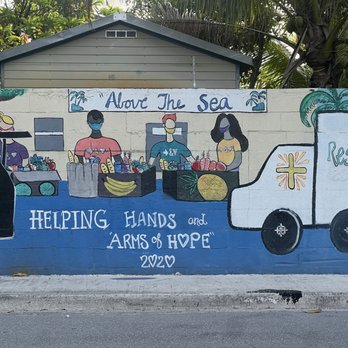
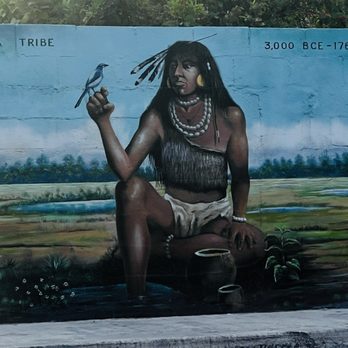
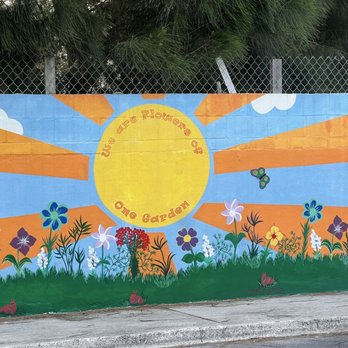
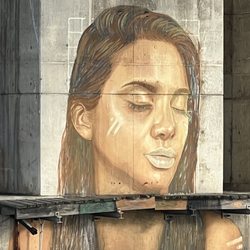
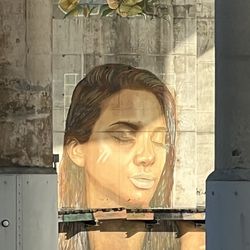
In the south end of Lake Worth Beach in 1954, a six-foot-high, 1,175-foot-long wall was built along Wingfield Street to separate the Black and white communities. It is believed that the wall was created because the Federal Housing Administration actively enforced policies that refused to insure mortgages in or near Black neighborhoods, a practice known as redlining. This federal policy mandated segregated housing by favoring loans for new, white-only suburban developments over established urban areas. As a result, Black people were prevented from owning homes and accumulating wealth, creating lasting residential segregation. The wall served as an unofficial border between the residents of the Osborne Colored Addition and their white neighbors in Whispering Palms. The Lake Worth Beach zoning code required all Black residents to live in the Osborne subdivision until 1969. In 1994, the wall was rebranded as the Wall of Unity after years of neglect. A mural depicting people of different races and Martin Luther King Jr. was painted on the wall. Over the years, the mural faded, chunks of concrete broke off, and graffiti was added. In 2021, Healthier Lake Worth Beach, a Palm Health Foundation initiative, decided to use this dividing structure to bring people together by turning the wall into a new canvas. After discussions about tearing the wall down, it was decided to leave it standing to educate people about the past. The wall was repaired, and sixty-seven South Florida professional artists and residents helped paint murals representing the past, present, and future of the Lake Worth Beach community. The artists worked to change the narrative of the wall from one of exclusion to one of inclusion. This is a part of Lake Worth Beach history that should be experienced in person. You cannot fully appreciate the scale of the wall through pictures alone. It stretches for several blocks, and it would take quite a walk to see everything. I was only able to capture a few images of it. Some of my favorites were the handprints on Leaves of One Tree, a painting of City Hall, a tree displaying the names of families from the Osborne Colored Addition, Mexican astronaut José M. Hernández, St. John's Episcopal Church, and the indigenous Jaega Tribe. I think it would take more than one trip to truly see everything. The wall is also a stop on the Palm Beach County Black Cultural Heritage Trail. read more




More info about Lake Worth Beach Unity Wall





















Lake Worth Beach Unity Wall - publicart - Updated August 2026
Best of Lake Worth Beach
People found Lake Worth Beach Unity Wall by searching for…
Things to Do in Lake Worth Beach, FL
Graffiti Wall in Lake Worth Beach, FL
Hidden Gems in Lake Worth Beach, FL
Fun Things to Do at Night in Lake Worth Beach, FL
Murals in Lake Worth Beach, FL
Mural Artist in Lake Worth Beach, FL
Tourist Attractions in Lake Worth Beach, FL
Photo Spots in Lake Worth Beach, FL
Attractions in Lake Worth Beach, FL
Browse Nearby
BEST of Lake Worth Beach, Florida Coffee near Lake Worth Beach Unity Wall
BEST of Lake Worth Beach, Florida Restaurants near Lake Worth Beach Unity Wall
BEST of Lake Worth Beach, Florida Things to Do near Lake Worth Beach Unity Wall
BEST of Lake Worth Beach, Florida Breakfast near Lake Worth Beach Unity Wall
BEST of Lake Worth Beach, Florida Photo Spots near Lake Worth Beach Unity Wall
BEST of Lake Worth Beach, Florida Hotels near Lake Worth Beach Unity Wall
BEST of Lake Worth Beach, Florida Campgrounds near Lake Worth Beach Unity Wall
BEST of Lake Worth Beach, Florida Attractions near Lake Worth Beach Unity Wall
BEST of Lake Worth Beach, Florida Day Trips near Lake Worth Beach Unity Wall


