Metropolitan Police Academy Photos


More like Metropolitan Police Academy
Recommended Reviews - Metropolitan Police Academy
Start your review...



9 years ago
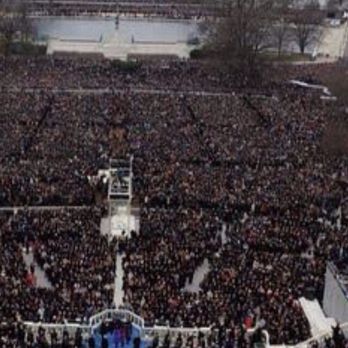
Went to D.C January 20, 2017 for the inauguration. The D.C. Police were terrific in directing massive crowds in a respectful and friendly manner. I'm not a police officer and in general never thought of cops much, unless they are behind me in a cop car. These guys were terrific and kept us safe and were a shining example of what you hope all law enforcement officers should be like. Thank you D.C. Metro, national guard,marines,army reserve and all officials who looked after us and did an amazing job! God bless you all and God bless America! read more


More info about Metropolitan Police Academy







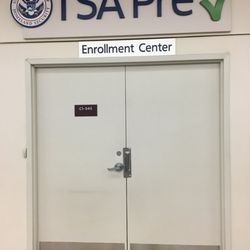
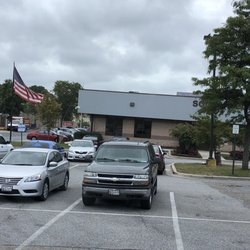


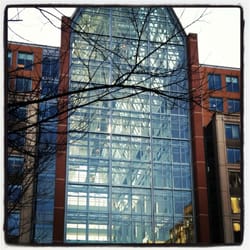






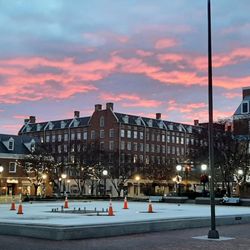

Metropolitan Police Academy - publicservicesgovt - Updated July 2026
Browse Nearby
BEST of Washington, DC, District of Columbia Coffee near Metropolitan Police Academy
BEST of Washington, DC, District of Columbia Restaurants near Metropolitan Police Academy
BEST of Washington, DC, District of Columbia Things to Do near Metropolitan Police Academy
BEST of Washington, DC, District of Columbia Attractions near Metropolitan Police Academy
BEST of Washington, DC, District of Columbia Breakfast near Metropolitan Police Academy
BEST of Washington, DC, District of Columbia Museums near Metropolitan Police Academy
Browse Articles
People found Metropolitan Police Academy by searching for…
Browse Brands
People who viewed Metropolitan Police Academy also viewed

United States Capitol Police
4 reviews
Capitol Hill

United States Pentagon Police
9 reviews

DC Board of Elections
1 review
Navy Yard
Army National Guard Readiness Center
2 reviews

DC Board of Elections and Ethics
1 review
League of United Latin American Citizens
1 review
Downtown
Prince William Police Dept
3 reviews

DCFD Fire House Engine 18
2 reviews
Capitol Hill
Arlington Department of Human Services
2 reviews
Clarendon
DC Police - First District Substation
2 reviews
Capitol Hill