Mount Peace Cemetery Photos



You might also consider

More like Mount Peace Cemetery
Recommended Reviews - Mount Peace Cemetery
Start your review...



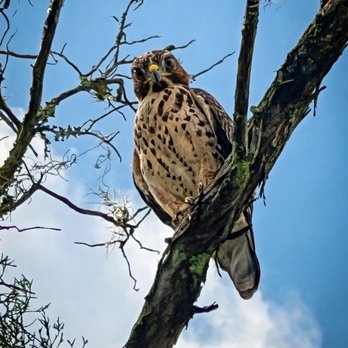
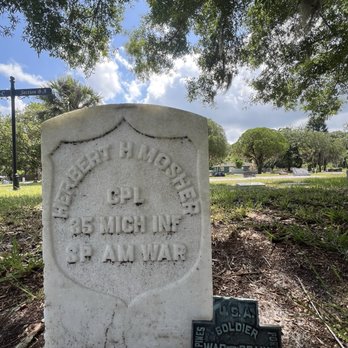
In 1909, the Grand Army of the Republic (G.A.R.), the fraternal organization of Union Civil War veterans, sought a location to establish a veterans' colony. St. Cloud was ultimately selected for its mild climate and fertile farmland. That same year, the G.A.R. purchased 35,000 acres of the former Disston Sugar Plantation, laying the foundation for what would become the City of St. Cloud. The organization promoted the new community through its newspaper, encouraging aging Union veterans to settle there. Building lots sold for about $50, and many new arrivals came by rail, living in tents while their homes were being constructed. Upon arrival, veterans picked up their property deeds at the Seminole Land & Investment Company office. Because of its unique origins, St. Cloud became known as "Soldier City." When the town's first local veteran, Lucius L. Mitchell, passed away in December 1909, St. Cloud did not yet have a cemetery, so he was buried at Rose Hill Cemetery in nearby Kissimmee. To establish a local cemetery, the Seminole Land & Investment Company deeded a 10-acre tract, formerly an old logging camp on the outskirts of town, to the local chapter of the Grand Army of the Republic and the Mount Peace Cemetery Association for the price of one dollar. Union veterans, many of them seniors by this time, cleared the land by hand using basic tools. The first official burial at Mount Peace Cemetery was Union veteran Oris B. King on February 5, 1910. After the cemetery opened, Lucius Mitchell's remains were reinterred at Mount Peace. Today, Mount Peace Cemetery is one of the largest non-battlefield Union cemeteries south of the Mason-Dixon Line. It contains the graves of 429 Union veterans as well as many other military servicemembers. Notable burials include a Medal of Honor recipient, three African American soldiers of the United States Colored Troops, 15 survivors of Andersonville Prison, and even two Confederate veterans, one of whom served in both armies. The last Union veteran laid to rest here was William C. Russell, who died on August 12, 1942. Veterans of the Plains Indian Wars, the Spanish-American War, World War I, World War II, the Korean War, the Vietnam War, and the Gulf War are also buried here. This cemetery is part of the Florida Historical Marker Program, one of the Division of Historical Resources' most popular and valued public history programs. It raises awareness of Florida's cultural history while enhancing the enjoyment of historic sites for residents and tourists. The blue historic markers tell the stories of the people and places that were important to Florida's history and they can be found in front of churches, schools, buildings, roads, archaeological sites, battlefields, and cemeteries like this one. Historic Marker F-1081, located at the entrance to the cemetery, was erected in 2019 by the Soldier City Chapter Historical Society, the City of St. Cloud, and the Florida Department of State. As a fan of history and old cemeteries, I made a point of visiting Mount Peace Cemetery during my trip to St. Cloud. In addition to learning some fascinating history, I had a memorable encounter with a very vocal red-shouldered hawk. Many people don't realize that historic cemeteries are also excellent places for birdwatching, making Mount Peace ideal for history enthusiasts and nature lovers. read more





More info about Mount Peace Cemetery




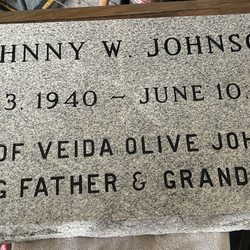

Mount Peace Cemetery - funeralservices - Updated August 2026
Browse Nearby
BEST of St Cloud, Florida Coffee near Mount Peace Cemetery
BEST of St Cloud, Florida Antiques near Mount Peace Cemetery
BEST of St Cloud, Florida Things to Do near Mount Peace Cemetery
BEST of St Cloud, Florida Restaurants near Mount Peace Cemetery
BEST of St Cloud, Florida Cremation Services near Mount Peace Cemetery
BEST of St Cloud, Florida Headstones near Mount Peace Cemetery
BEST of St Cloud, Florida Stonemasons near Mount Peace Cemetery
BEST of St Cloud, Florida Florists near Mount Peace Cemetery
BEST of St Cloud, Florida Restaurants With Banquet Rooms near Mount Peace Cemetery



