
The Fat Duck Photos




THE FAT DUCK ATMOSPHERE
Recommended Reviews - The Fat Duck
Start your review...

Reviews With Photos


We traveled to the Fat Duck from London by train to Maidenhead and then taxi to Bray, a small town where most folks come in because of the restaurant. We got there early and headed to the Hinds Head next door (also owned by Heston and really great). But onto the Fat Duck.. we been to several Michelin restaurants and this was by far the most unique and immersive. We came in May 2022 and they were on anthology menu #4. We sat down and were given a booklet to read through which gave information and stories about each course, plus we were given a magnifying glass to use with the book because their slogan is "question everything." It's difficult to explain each course because they are so complex and put together with such skill and finesse; it really is like art. Their big thing is to focus on all 5 senses so the lighting above each table can be adjusted to the dish being served and we had some courses focused on sound and smell while we ate, which was really cool and so different. So many dishes brought up emotions from our childhood and it was neat to talk about how some courses tasted different to my husband vs. me. Overall we had 11 courses with 4 being smaller bites. Some I thought tasted better than others, but they really were creative presenting foods that don't normally go together, together in new and exciting ways. We were there for about 3 hours, 45 min (we got hot chocolate at the end, asked lots of questions, got a tour of the kitchen, etc). Also the servers and waitstaff were excellent - definitely provided great service like so many Michelin restaurants do, but even more than that they spoke about food and these courses with such passion. We've never had staff exude that much passion for food before, it was really neat to see and made us appreciate it all that much more. My only complaint was we sat by the hallway that leads to the kitchen, which means we watched everyone's plates come out. We wanted to be surprised for each course but it made it hard when the dishes were right in our line of sight. Also during the seashell course, we were given headphones to listen to beach waves while eating a seafood dish (which was so cool!) but the table next to us was so loud that it ruined the experience for me. I know it would be really difficult to do, but I wish every table was seated at the same time and each course was presented at the same time. It would give a much better experience to everyone and wouldn't spoil the surprise along the way. If that were to happen it would've been an experience way more than a dinner. Or, have people sit in pods so you can't tell what's going on at the tables next to you. That said, it's amazing and the talent executed by the kitchen and the staff is not to be missed. Do yourself a favor and go appreciate it for yourself!


I've always been intrigued by molecular gastronomy and I have been wanting to try more fine dining, so I knew when I visited the UK I needed to try The Fat Duck. From the moment you enter the small airlock before going into the restaurant, you feel swept away to a whimsical place, like a trip into Willy Wonka's chocolate factory. We came for their Sensorium tasting menu which seeks to enthrall all 5 senses, and it surely does. Dining here can change your entire perception of food. My favorite dish is their Sound of the Sea which they claim will transport you to the seaside which I didn't really believe at first, but after trying it I realized it was true. When you close your eyes and wear the headphones and start eating the dish, your brain really feels like you're at the beach, seeing the sunlight hit your eyelid, feeling the foam of the ocean on your lip. Overall, they are masters of their craft here and really know how to create an immersive experience. I could go on-and-on about each course of their menu, but I don't want to spoil too many surprises. I definitely would come back one day once they have a new menu. I really enjoyed the non-alcoholic drink pairing which had a wide variety of unique drinks, so I would probably do that again as well.


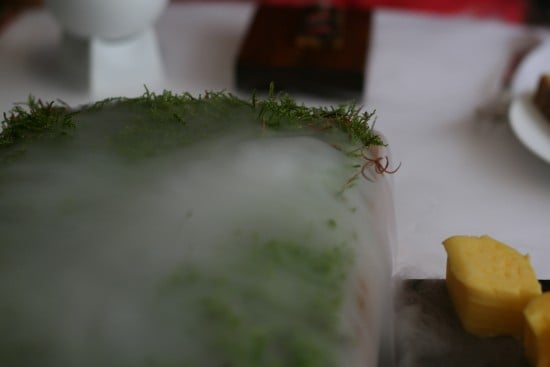
This, people, is a proper 5.0 star review. For the vast majority of my 5 star reviews, in truth, they're 4.51 to 4.99 and being the generous fellow that I am, I round them up. However, this is the real thing - 5.0 stars and fully deserving of every whole one Next thing is to warn you that this review will be full of spoilers!! More than any other restaurant, if you truly want to enjoy each and every little surprise of Heston Blumenthal's molecular gastronomy cooking menu as the wow moment it was intended to be, you need to stop reading at the end of this paragraph. Suffice to know that I've had the privilege to dine at most of the 3 and 2 Michelin star restaurants in England, New York and San Francisco (yes, the French Laundry and el Bulli are 2 major omissions) and this has been the best single meal of my life. You will be thrilled in so many ways and with so many senses that it will be an unforgettable experience Still with me? OK, you've obviously either dined here before or have an insatiable curiosity! Everyone who dines in this light airy restaurant goes for the tasting menu - I've been twice and I haven't seen the a la carte menu served once. I took a good friend for her birthday this time and was curious to see what if anything had changed since I last dined here a few years ago 1 Palate cleanser of nitro-poached green tea and vodka and lime mousse. The meal opens with the spectacular table-side use of liquid nitrogen to freeze the mousse. Green tea powder was pouffed on and a spritz of lime aerosol completed the sense enhancement 2 Pommery grain mustard ice cream and red cabbage gazpacho. You could taste all the ingredients clearly despite the unfamiliar presentation 3 Pea puree, quail jelly, langoustine cream, parfait of foie gras layered in a bowl, oak moss and truffle toast on the side. The food was rich and decadent as you'd expect from the ingredients and the scent of oak moss was added by pouring warm water onto a large square of moss on a board on the table 4 Snail porridge - several succulent snails on a bed of oat porridge with fennel shavings on top. My friend wolfed it down despite initial reservations about the snails 5 Roast foie gras 'benzaldehyde' served with almond fluid gel, cherry sauce. Rich and yummy 6 "Sound of the sea" - an amazing medley of fresh fish, eel and anchovy roasted to look like sand, seaweed and vegetable foam, served with an iPod playing seaside sounds. It was served on top of another box containing sand, so it looked like we had a piece of beach on our plate. We agreed this was the best dish of the menu. 7 Salmon poached in liquorice, asparagus, vamilla mayonnaise & salmon pearls. Trust me - it tastes heavenly despite the unpromising sounding ingredients. It somehow all fits together in 1 mouthful 8 Ballotine of Anjou pigeon, black pudding sauce and spiced juices. Cooked sous-vide, this is moist and very gamey. There was pigoen on the menu before but cooked differently 9 Cup of tea which tastes hot on 1 side and cold on the other 10 Mini cornet with ice cream and a granita 11 Pine sherbet dipper 12 Bavarois of lychee & mango, blackcurrant sorbet, mango & Douglas fir puree. Delicate flavours all intermingling and complementing each other 13 Parsnip cereal - could eat this for breakfast everyday! 14 Egg & bacon ice cream scrambled table-side with liquid nitrogen, served with bacon sliver, tomato jam & pain perdu. Tea jelly on the side. More spectacular visually than before with table-side presentation but not enough salt now in taste mix 15 Petits fours - mandarin aerated chocolate, violet tartlet, apple pie caramel with edible wrapper Each dish is explained at the table-side by the staff, helping to bring flavours to life. Service was impeccable. We really liked it because it was friendly and not stuffy like some fine dining establishments can be. My friend had the wine pairing, which resulted in 7 wines and a sake being delivered to a increasingly happy customer! I enjoyed their organic Sicilian lemonade and the pear & apple juice. Perhaps the thing that reflected the quality of this experience the best was that when we checked our watches at the end of the meal, 4 and half hours had passed and it was like the blink of an eye. Time flies when you're having fun and trust me, you will have a lot of fun at the Fat Duck!

wow! 23 reviews before me and they were all 5 stars reviews?! even the 6 filtered reviews were 5 stars reviews!? amazing!!! that is a testament of how consistently good they are. my first date with heston was for lunch at dinner. i must say he did not quite create the impression i expected of him. i love watching his shows on tv. he has an amazing love for doing the unexpected and a genuine desire to bring out the best in every dish he attempts. this being my second date with heston, i needed extra motivation especially when he expects me to drive my ass all the way to bray(a lovely place by the way) just to give him a second chance??? that is if you can get hold of a reservation here. a random attempt to book a table of 4, turned up alternative dates and timings available. no second invitation required. lunch at 12pm on 5jun it is! no stuffy dress code here and children are allowed. no children's menu but they can modify certain dishes to cater to their palates.. do note however that it is still based on the same, only, tasting menu and still £195. your heston entertainment starts even before you arrive in bray. you will receive a video in your email for a prelude of what's to come. driving here isnt difficult but parking can be challenging. we managed to park near the hines head hotel. do plan extra time to cater for that or in our case just arrive extra early like 11ish and head for the hines head for a drink and free wifi! the staff were excellent. friendly, courteous, helpful, accommodating, knowledgeable and non pushy. a great team with great attention to details, like remembering if you are left handed and whether it was still or sparkling you were drinking. the setting is a small dining area packed to the brim but not uncomfortably so. it is not particularly tall people friendly as low support beams criss cross the room. caution also required as you come down the stairs after using the bathrooms located upstairs. however, anyone 1.73m or shorter can safely traverse without concerns. the pacing for the 14 courses lunch was nothing short of perfection. do remember to bring along all your senses as they are mandatory when you dine at the fat duck! in typical heston fashion the colours, textures, tastes, sounds and smells were all incorporated for your total enjoyment! special fat duck film left on your tongue to bring it to live. oak moss scent was both visually and olfactorily stimulating. sand and foam collided in texture with seaweed and smoked fish whilst you listen to the lapping waves. crispy crab biscuits contrasted with melt in your mouth foie gras. the kirsch spray prior to the black forest gateau dessert makes you wonder if you even need to taste it. and now for the awards: 1) best dish - roast foie gras 2) most creative - "sound of the sea". 3) best costume - mad hatter's tea party. 4) most alcoholic - whisk(e)y wine gums. 5) best dessert - macerated strawberries. 6) best special effects - jelly of quail, crayfish cream. 7) best scientific application - tied by nitro poached aperitifs and hot & ice tea. 8) most forgettable - lamb with cucumber. 9) environmental award - snail porridge. 10) most unexpected - salmon poached in a liquorice gel. 11) best name - the "BFG". 12) most unusual - red cabbage gazpacho. 13) and the best movie goes to - "like a kid in a sweet shop".


If it was possible to give more than 5 stars, this would get beyond 5 stars. This meal was more than amazing food. It was a sensory experience that included smells, sounds, tastes, and textures that you wouldn't imagine otherwise. A few of the plates told a story like the Jelly of Quail, Crayfish Cream and Mad Hatter's Tea Party. My favorite plates were Jelly of Quail, Crayfish Cream, Hot and Ice Tea (it is literally hot and cold tea), Macerated Strawberries, and Botrytis Cinerea. The service was amazing too. We had a really sweet guy from Poland serving us and also a guy from Hungry, who prepared the Nitro Aperitif. They were particularly nice and friendly and answered all our questions about the dishes and how they were made. No one was pretentious at all and I felt really comfortable about the whole experience. We even got a chance to look into their kitchen, which was surprisingly small considering the amazing and beautiful dishes that come out of it. Attire: Surprisingly, no dress code. The experience is not very formal at all and the staff was very welcoming and accommodating in all ways. If you want to take all the pictures, you totally can and they don't frown upon it at all. Reservations: You have to be ready with credit card in hand to book your reservation online via OpenTable. They open reservations at 10am UK time and they go fast. I was able to make my reservation after my 3rd 2am night/early morning. Also, you have to book the day that they start taking reservations for that day. They start taking reservations 6 weeks in advance so plan in advance if you are traveling to London. Getting there: From London, we took the train to Maidenhead. From the train station, we took a short cab ride there that cost £6. In sum, go and pay the money for it. It's all worth it and it's amazing.


I went to Fat Duck maybe 3 years ago but I thought I'd review it now since I'll probably never go back there (they never seem to change their menu!). Fat Duck was a 4 hour - 14 course spectacular. It included everything you would expect from a Heston Blumenthal restaurant including smoke, sprays, melting gold, intricate food sculptures and strange concoctions. However without these theatrics, I wouldn't say the food was particularly memorable. And even though they only have 2 sittings a day, food was brought out at different times to different tables, kind of ruining the surprise of what was coming next. Also one of the waitresses gave me a dirty look for playing with my food (I rearranged the whisky wine gums okaaay). Serially though - if I'm paying £250 for my meal, I kind of expect to be able to do whatever I god damn please. All in all I would say it's a worthwhile experience if you have the cash to splash and love pretty food.


What can I say that has already not been said below. Definitely an unbelievable experience. I went with a friend and we took the train from Paddington to Maidenhead and then took a cab to the restaurant. We did a lunch time slot without the wine pairing. TIPS: - Check the reservation system every Monday. If work is slow (August!) and can take a day off later in the week, you may be able to nab a last minute cancellation. - If you're traveling from London, it's a LONG experience. With train travel and meal service, it's a 6h+ stretch. I would think that if you're doing the dinner service, booking an inn for the night in Bray would be a good suggestion. - The bread they bring around after the first few courses is delicious, as is the butter they serve it with. Remember though, you still have many more courses to go, so I would limit yourself to a single piece of bread. I regretted my second slice of bread about half an hour later. Would I do it again? I'm torn on this. It is quite expensive and time consuming, but if I had someone special visiting that really wanted to go, I'm sure I could be convinced.
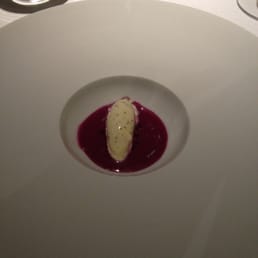

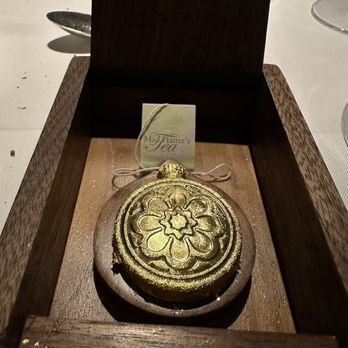
The Fat Duck. Wow. What an epic culinary experience. I have eaten at a few 3-Michelin starred restaurants, but none had the same level of creativity and food wizardry as the Fat Duck. It clearly lives up to its top billing as the most famous and influential restaurant in the UK and is worth the journey to Bray regardless where in the world you live. Where to begin? To start I had a "gin & tonic" aperitif that was frozen in front of us in a vat of smoking liquid nitrogen. This was the prefect start to a 4.5 hour tasting menu with wine pairings. Highlights included: The "sound of the sea" which came with ipods hidden in giant counch shells allowing you to actually listen to the surf as you eat edible sand and a collection of seafood. The Alison in Wonderland inspired Mad Tea Party mock turtle soup complete with "gold pocket watches" that melted under the broth of the soup and turned into edible gold leaf Snail porridge - no further explanation needed The Whisk(ey) Wine Gums - a collection of gummy candies flavoured by whiskies across Scotland and randomly Tennessee The like a kid in a sweet shop - a to go bag of ridiculously tasty candies - caramel with edible wrapper. And that only covers 1/2 of the courses. All in it was an expensive over the top experience (£180/person for food only), but one that needs to be on top of all foodie's must eat at lists. Without any doubt, Heston Blumenthal is clearly the Dumbledore of the culinary world.


Okay, okay. I am a big fan of Heston Blumenthal. And why not? He is a master culinary showman! It was a splendid experience. Anniversary dinner here was spectacular. Booked a place here 3 months in advance. You get a bag of goodies to take home with you too. Anyone with a desire to treat themselves to a nice celebratory dinner should dine here. You will leave impressed with conversations about it on the way home. Dined here in 2013.


I will start with the booking process; the first aspect worthy of comment. We had tried many times to get a reservation involving a handful of Saturday mornings at 10am (2-months prior to the date you wish to book) redialing for half an hour just to get through. One Saturday after redialing on 3 phones over 100 times each we got a live line...only to be put on hold for 20 minutes listening to a nursery rhyme (which is much more annoying than music as you have to listen and pay attention because it is constantly a person speaking and hard to tell if the line has been answered or not!) So, we were booked, a 4-hour lunch tasting menu was on the horizon. Day of we take the train from Paddington and arrive early to check out the town, and hopefully have a peak at the Waterside in, the other 3 Michelin star in the area. Too bad they have French-foodie bouncers and you're not allowed to take a peak (what if we are checking out the hotel as a potential place to stay next time, jerks) The Fat Duck was thankfully far less pretentious and has a very humble ambiance. No frills besides food and drink. Perfect. They used to allow a la carte orders, but 80% of people had the tasting menu, so now that is all that is available. This is definitely not a 'local' restaurant; it's a culinary entertainment event. Please travel from the world be experience this, camera in hand and trainers on (no joke, people were wearing TRAINERS, there should be a dress code, I mean, RESPECT, right?) I might add here than we were sitting next to a young family that brought their new born. It was well behaved for the most part, but judge me or not, this is not appropriate. If you can afford the fat duck, you can afford a nanny for the evening. And seriously no breast feeding in the restaurant, ARE YOU SERIOUS!? Anyway, that's not the restaurants' fault, but, ahem, rude! On to the experience: Fantastic. I could repeat what you've already read, rave about the earthy similarity of the Sand and the Sea (personal ipod included), the nitro-poached aperitif, and my personal favorite, oak moss and truffled toast, but what struck me the most was how perfectly everything was presented. Each piece of cutlery and dish seemed to be made for the exact dish (if fact is probably was). The presentation is interactive, has a story and arouses all the sense, achieving exactly what Blumenthal aims for. Even the candy shoppe take away treat bag smelled like a candy store and inevitably makes one nostalgic for childhood, a topic that he is constantly developing with help from patrons who can fill out a card requesting, say an oreo milkshake or fruit rollups to spark ideas. It's more than a culinary feast, in fact some dishes I wouldn't care to have again for taste (read: Alice in Wonderland Mad Hatter dish...) as one can't re-experience the surprise of the presentation. I don't care much to ever go back unless the menu dramatically changes, but I will strongly and convincingly recommend the Fat Duck to anyone to go there once.


14 years ago

8 years ago
17 years ago
11 years ago

14 years ago

17 years ago
10 years ago
18 years ago
16 years ago
19 years ago
16 years ago

16 years ago
14 years ago
16 years ago
14 years ago
16 years ago
More info about The Fat Duck
The Fat Duck Reviews in Other Languages











Why does Yelp recommend reviews?
8 reviews that are not currently recommended
The reviews below are not factored into the business's overall star rating.
16 years ago

13 years ago
15 years ago

13 years ago

16 years ago

14 years ago
13 years ago

12 years ago
The Fat Duck - british - Updated August 2026
Browse Brands
Browse Articles
People who viewed The Fat Duck also viewed

Core by Clare Smyth
39 reviews
Notting Hill

Restaurant Story
49 reviews
London Bridge
££££

Lyle's
54 reviews
Shoreditch
£££

Launceston Place
57 reviews
Kensington
££££

Quo Vadis
49 reviews
Soho
£££

brat
58 reviews
Shoreditch

Frog By Adam Handling
24 reviews
Strand, Covent Garden

Ormer Mayfair
9 reviews
Mayfair
££

Simpson's in the Strand
91 reviews
Strand
£££

The Clove Club
118 reviews
Hoxton
££££