Mayfair can become grand very quickly. Embassies, private clubs, discreet fortunes, and immaculate…read moretownhouses fill the neighborhood, along with some of the most polished and affected people on earth. During a work assignment in London, I spent my days inside that world and many evenings at The Footman, the pub that defined the chapter. Its name always felt perfect: the working figure moving through the machinery of wealth, then finally stopping somewhere warm for a pint.
What I still love most about London is the seriousness of pub culture. Someone would have a beer with you on almost any night of the week, including Monday, and The Footman became our regular place near the office. We occasionally drifted over to The Punch Bowl, then co-owned by Guy Ritchie and naturally a little flashier, but The Footman felt more functional, local, and authentically ours. It never needed celebrity ownership or manufactured exclusivity to feel important.
Outside, especially during the colder months, groups gathered with large beers while the evening air sharpened around us. For a few hours, titles and career trajectories lost their importance, and we became ambitious young friends from different countries learning about one another. The London office felt far more internationally varied than the professional environments I knew in New York, where even diverse groups often shared the same universities, neighborhoods, and assumptions. Those conversations gave the assignment much of its richness, and The Footman created the conditions for them without forcing anything.
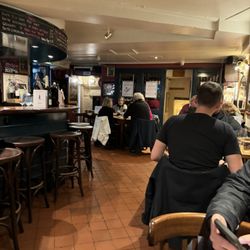
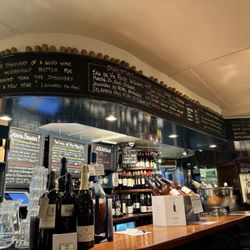
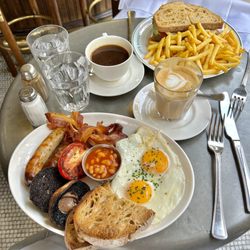
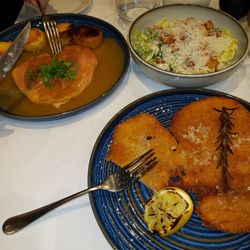
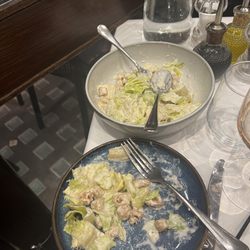
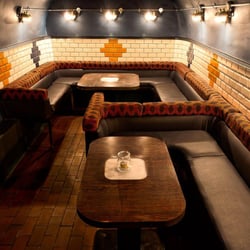
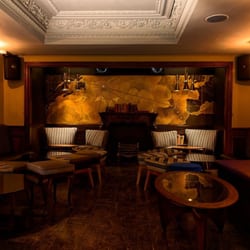
Inside, dark wood, worn leather, generous windows, fresh flowers, and highly capable bartenders give the pub real warmth. The red brick exterior and black awnings suit Mayfair perfectly, while the room feels cared for rather than polished into lifelessness. I remember the pints far more clearly than the food, although I probably ordered chips at some point to steady the evening. This was a proper working pub, but never a gloomy or neglected one.
Relative to its surroundings, The Footman also performs an important civic function. Mayfair has no shortage of members-only rooms and venues where a drink can become a declaration of wealth, while this pub asks only that you arrive, order something, find your people, and talk. It operates like a town square where colleagues, locals, and visitors can exchange ideas without having to purchase status. No fund performance, promotion, family name, or club membership can buy a more convincing version of belonging than that.
Historically, the running footman handled errands and messages for wealthy households, which gives the name a social meaning that I have always loved. I spent years running around cities doing things for powerful people, and I later returned to London to run the marathon for a charity supporting children in Africa. I will always be a footman rather than a blue-blood aristocrat, and I am proud of that designation. The role suggests movement, usefulness, endurance, and proximity to power without confusing proximity with ownership.
Years later, I still think of this place whenever I remember that extraordinary London chapter. The Footman absorbed the triumphs and disasters of the workday without letting either define the people standing at the bar. It gave working people a handsome, fairly priced place to take the edge off and become human again after a demanding day. The Footman was my local in London, and I remain deeply grateful that a pub this real continues to thrive in one of the most moneyed neighborhoods in the world.