Cox Medical Center South Photos


You might also consider


More like Cox Medical Center South
Recommended Reviews - Cox Medical Center South
Start your review...


Reviews With Photos

wish there was an option for negative stars. went to the ER with severe abdominal pain (level 8 on the scale), was triaged and had blood drawn at 8 p.m. At 2:20 a.m., we walked out without being seen. I witnessed staff being rude to other patients and when I asked what defined emergent, because of how long I waited in pain and tears, I was talked down to and got rude replies. Just awful!!!


Truly fantastic team in Cardiology, North Ward of Cox South. Spent every day with Gma there for 14 days. We experienced warmth, kindness, transparency, real humanity from the doctors and nursing staff. Leaving today we want to thank Doc George and Geron and the entire floor staff, including cleaning professionals, and nurse Shelley and nurse Jason G. You all made a big difference to our family Matriarch Grandma Shirley's comfort and well being. Thank You!!

4 months ago
5 days ago
1 month ago
2 months ago
4 months ago
wish there was an option for negative stars. went to the ER with severe abdominal pain (level 8 on the scale), was triaged and had blood drawn at 8 p.m. At 2:20 a.m., we walked out without being seen. I witnessed staff being rude to other patients and when I asked what defined emergent, because of how long I waited in pain and tears, I was talked down to and got rude replies. Just awful!!! read more
6 months ago

2 years ago

1 year ago
10 months ago
1 year ago
11 months ago

2 years ago
Truly fantastic team in Cardiology, North Ward of Cox South. Spent every day with Gma there for 14 days. We experienced warmth, kindness, transparency, real humanity from the doctors and nursing staff. Leaving today we want to thank Doc George and Geron and the entire floor staff, including cleaning professionals, and nurse Shelley and nurse Jason G. You all made a big difference to our family Matriarch Grandma Shirley's comfort and well being. Thank You!! read more

7 months ago
2 years ago

3 years ago
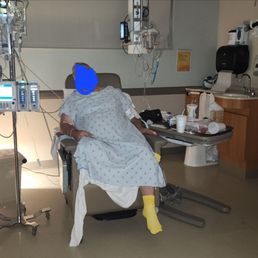
My husband there for a head trauma recently received the worst/least compassion, caring, professionalism, treatment & information. They allowed him to sit upright in a chair right after coughing fit that he seized from & already has 3 brain hematomas. I showed up to the neuro trauma icu & snapped a pic of him head bobbing forward. There was also no alarm if he did fall out. Completely unsafe even in the nticu. Many other issues ranging from my self & mother in law being berated for opening his room door and I screamed he needs help now. He was completely seizing, vomiting & needed suction. She with 6 nurses behind he berated us while not a one helped him. Same nurse 4 mins later got puke on her face. Stopped helping , he's still getting his throat suctioned, she looks at screen for mirror effect & as she wiped vomit off says with a laugh & a smile " oh hehe guess it'll be a bad makeup day" On Friday they ordered him a Gatorade at 8:25p, after nurses, myself & multiple online requests, he received it 18+ hrs later. No water allowed & no one could get it for 18+ hrs. I offered to buy him. At the end of me making a formal grievance with patients advocate, I was trespassed by rent-a-Barney-Fife. While they tried to intimidate me & force me to erase pics of him in chair. I said no, that's evidence, you only want it erased to cover your a§s. Please if you value your family do NOT go to Cox South Springfield. read more


2 years ago
2 years ago

3 years ago

2 years ago
1 year ago

3 years ago
1 year ago
2 years ago

4 years ago
2 years ago

3 years ago

3 years ago
3 years ago
3 years ago
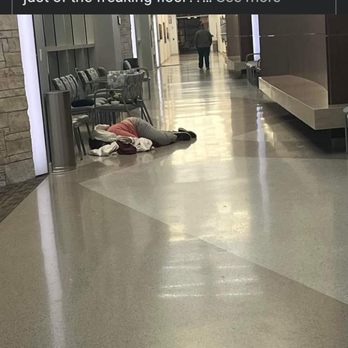
I give 0 stars. My kids mom was left on the floor for hours. She is highly diabetic and had COVID. I am beside myself how extremely lack of empathy and care is at this location. Your better off going to Dollar General for medical help read more

4 years ago
3 years ago
2 years ago

4 years ago
2 years ago
3 years ago
2 years ago

4 years ago
2 years ago
3 years ago

4 years ago
Page 1 of 3
More info about Cox Medical Center South
3801 S National Ave
Springfield, MO 65807
Directions
(417) 269-6000
Call Now
Visit Website
http://www.coxhealth.com
Hours
Payment methods
Other Amenities
From the Business
Ask the Community - Cox Medical Center South
Review Highlights - Cox Medical Center South















Why does Yelp recommend reviews?
12 reviews that are not currently recommended
The reviews below are not factored into the business's overall star rating.
7 years ago
6 years ago
6 years ago

9 years ago

8 years ago

5 years ago
10 days ago
3 years ago

13 years ago

1 year ago
5 years ago

15 years ago


