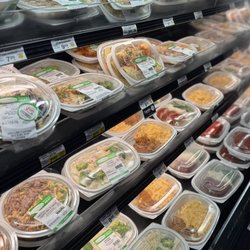
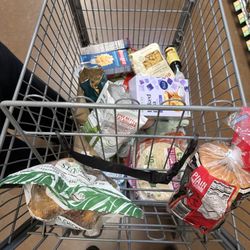
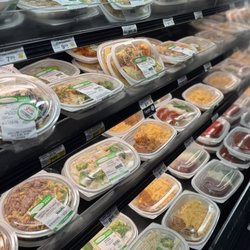
On April 10, 2026, I purchased $231.35 worth of groceries, including seafood, from the H Mart…read morelocated inside Koreatown Plaza.
That day, five members of my family ate the seafood. Among them were my 70-year-old mother and my 10-year-old daughter.
Beginning that night and continuing into the following morning, all five of us experienced severe stomach pain, vomiting, and diarrhea. This was not a minor upset stomach. Even the adults were too sick to function normally, and watching both my elderly mother and my young daughter suffer at the same time was frightening and heartbreaking.

At the time, I was not thinking about filing a lawsuit, requesting medical reimbursement, or reporting the matter to the Health Department. My family was sick, and my first priority was taking care of them. We took medication that we already had at home, rested, and endured the symptoms for approximately two days.
I believed that requesting a refund for the food would be simple.
Looking back, that was my biggest mistake.
A few days later, I called the store and explained that five members of my family had eaten the same seafood and had all experienced vomiting, diarrhea, and severe stomach pain. Instead of carefully documenting the situation, expressing concern, or connecting me with a manager, the employee simply told me that a refund could not be provided.
When I explained that I had paid by credit card, I was told to contact my credit card company. The call ended without a meaningful investigation, apology, or referral to the appropriate department.
When a customer reports that an entire family became sick after consuming food purchased from a store, I believe the store should at least listen carefully, investigate the complaint, and respond respectfully. Instead, I felt as though I was being dismissed and told to handle the problem on my own.
I eventually filed a dispute with my credit card company and initially received a temporary credit. However, the approximately $231.35 charge was later reapplied. My credit card company informed me that the funds had been returned to H Mart and that I would need to resolve the issue directly with the store.
This matter continued from April until the end of July 2026.
H Mart's final response was that, because I did not have a medical diagnosis, they could not confirm that my family's symptoms were caused by food purchased from their store. Therefore, they would not refund the full purchase amount. I was also told that medical documentation was necessary for the company to investigate a suspected food-related illness.
The missing receipt also became an issue. Like many customers, I do not keep every grocery receipt for several months. When I shop at a trusted market, I do not normally think, "I should keep this receipt in case the food is spoiled and my entire family gets sick."
H Mart later located my transaction in its system and confirmed that a refund could be issued for the fish only. However, I still had to ask which fish items qualified and what the exact refund amount would be. Despite five family members suffering for two days, I was not approved for a refund of the full $231.35 purchase.
I am sharing this experience because other customers need to protect themselves.
When purchasing seafood or other perishable products from H Mart, keep your receipt. A credit card statement may show that you shopped at the store, but it may not be treated as a substitute for an itemized receipt. Keep the packaging, labels, expiration dates, and photographs whenever possible.
If several people become ill after eating the same food, do not simply take medication at home and assume the issue will resolve itself. Contact a medical professional promptly, especially when a child, an elderly adult, a pregnant person, or someone with severe symptoms is involved. Without medical records or a diagnosis, it can be extremely difficult to request an investigation, a refund, or reimbursement later.
Receiving medical treatment does not guarantee that a store will reimburse 100% of the food cost or medical expenses. However, without medical documentation, customers may have very little evidence when asking a company to investigate a suspected foodborne illness.
At the time, I was focused on caring for my family. I did not expect this matter to continue for months. We took medication at home, did not go to the emergency room, and did not have a formal diagnosis. I had also discarded the receipt. As a result, even though all five members of my family became sick after eating the same food, I was told there was not enough documentation to approve a full refund.
While researching this issue, I also came across online reviews from other customers describing concerns about food quality or becoming ill after consuming certain products. I cannot personally verify the cause of every other customer's experience. However, reports involving possible food safety concerns should be treated seriously, carefull