
Local I'a Photos


Business Info
You might also consider


More like Local I'a
Recommended Reviews - Local I'a
Start your review...

Reviews With Photos


We've bought their gumbo from the farmers markets but this was our first time buying fresh fish! Such a good price and locally sourced. Ahi was cheaper than some poke shops! Got some goodies for the dogs and humans. Customer service was spectacular- doesn't make you feel pressured to buy anything. Turned our ahi to tataki and maki!


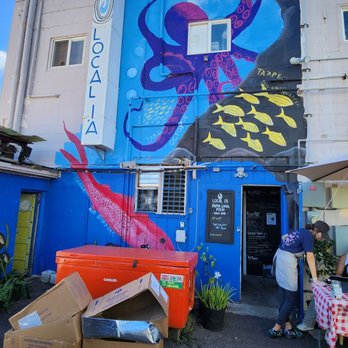
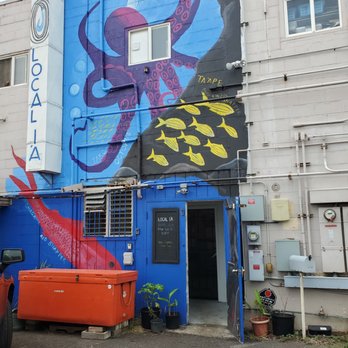
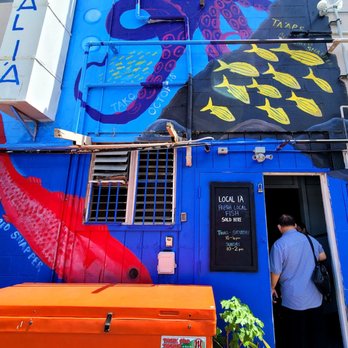
I started my subsription with Local I'a probably.. a year ago? A few months ago? I absolutely love love love them. Tucked away right behind Mud Hen Water in Kaimuki, their entrance is small and kind of easy to miss. There are a few parking spots in front & a small door leading to some amazing fish. I believe you can walk in and buy fish/seafood by the pound, but I actually have a subscription where I pay X amount per month & get a "fair share" of fish per every 2 weeks. You can play around with the portion sizes and frequency too. I think currently I receive 1-1.5 lb of fish per share of whatever the catch of the week is. I absolutely love the fish I receive from Ashley. You know it's fresh, it's sustainable and proceeds go directly to local fisherman. Over the past few months, I have received so many different types of fish. Some common fish I see are sashimi grade mahi mahi, ono, and ahi. Sometimes the fishermen will bring in invasive species & I always try to grab those. I've picked up whole kanpachi and whole opakapaka. It's always a fun challenge to try and clean & break down a whole fish lol. I think the craziest thing I picked up from Ashley was mahimahi head & bones. It was actually offered for free, I ended up making mahi dashi and then picked off of the meat for lunch. On Saturday I picked up some sashimi grade striped marlin & a whole octopus. I made a marlin carpaccio and grilled octopus for dinner :) I just love how Ashley and the team make it easy for us to be more connected with our local food source. Although it's a tad more expensive than buying fish at a convenience store, it is nice to know that all the fish is coming from our local fishermen from our shores. read more


First heard about this business from farmers market. They would have really good prices on fresh and frozen fish. This brick and mortar store is located right behind Mud Hen Water. Just turn into the parking lot and their entrance is at the end of it. Love their sashimi grade ahi. They have some good ahi Jerky, fish gumbo, etc. They even sell doggy treats. Best to call to see what fish they have as they do sell out from time to time. They are open Thursday - Sunday 10am-2pm. read more






5 years ago
We've bought their gumbo from the farmers markets but this was our first time buying fresh fish! Such a good price and locally sourced. Ahi was cheaper than some poke shops! Got some goodies for the dogs and humans. Customer service was spectacular- doesn't make you feel pressured to buy anything. Turned our ahi to tataki and maki! read more


7 years ago

9 years ago
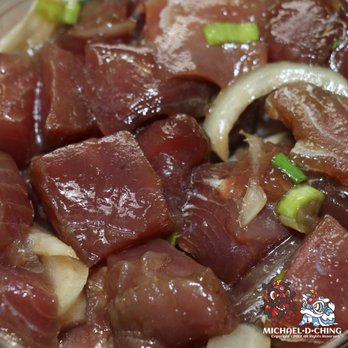
THEY HAD AKU, AKU POKE!! FOOD: Really fresh fish!! The price is little bit more but you paying for quality and actually knowing where the fish came from (they can even tell you the boat that it came from and the guy that caught it). SERVICE: Very friendly and outstanding service, very knowledgeable. Was actually able to ask about their product over Facebook before going down to the farmers' market today. VERDICT: Definitely will be back!! read more


3 years ago
7 years ago
8 years ago
8 years ago
More info about Local I'a

Ask the Community - Local I'a
Review Highlights - Local I'a
You might also consider


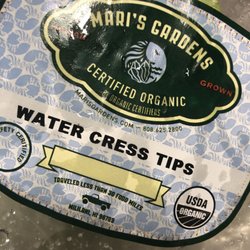


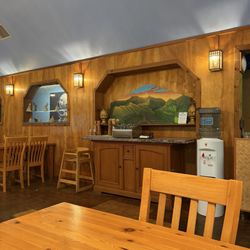


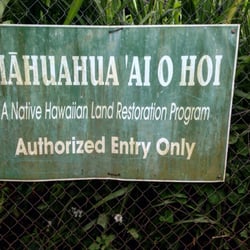
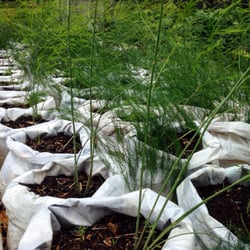










Local I'a - csa - Updated August 2026
Best of Honolulu
People found Local I'a by searching for…
Trending Searches in Honolulu, HI
Browse Articles
Browse Nearby
BEST of Honolulu, Hawaii Coffee near Local I'a
BEST of Honolulu, Hawaii Desserts near Local I'a
BEST of Honolulu, Hawaii Things to Do near Local I'a
BEST of Honolulu, Hawaii Farms near Local I'a
BEST of Honolulu, Hawaii Parking near Local I'a
BEST of Honolulu, Hawaii Organic Restaurant near Local I'a
BEST of Honolulu, Hawaii Fruits & Veggies near Local I'a
BEST of Honolulu, Hawaii Delivery near Local I'a
Browse Brands
Related Searches in Honolulu, HI
Attend Farmers Market Saturday in Honolulu, Hawaii
Browse Organic Grocery Stores in Honolulu, Hawaii
Buy Farm Fresh Eggs in Honolulu, Hawaii
Buy Fresh Grass Fed Beef in Honolulu, Hawaii
Buy Fresh Produce Near Honolulu, Hawaii
Buy Fresh Raw Milk From Trusted Sources in Honolulu, Hawaii
Buy Fresh Vegetables Locally in Honolulu, Hawaii
Buy Pure Local Honey From Honolulu, Hawaii Producers
Buy the Best Organic Produce in Honolulu, Hawaii
Check Out Popular Farmers Markets in Honolulu, Hawaii
Discover Local Goat Farms Near Honolulu, Hawaii
Discover the Best Fruit Farm Options in Honolulu, Hawaii
Discover the Best Organic Farm in Honolulu, Hawaii
Enjoy Apple Picking Adventures in Honolulu, Hawaii
Enjoy Strawberry Picking Adventures in Honolulu, Hawaii
Explore Farmers Market Favorites in Honolulu, Hawaii
Explore Popular Craft Fairs in Honolulu, Hawaii
Explore Pumpkin Patches Around Honolulu, Hawaii
Explore Scenic Sunflower Fields in Honolulu, Hawaii
Explore Top Apple Orchards Around Honolulu, Hawaii
Explore Top Organic Stores in Honolulu, Hawaii
Fast Fruit Delivery Services in Honolulu, Hawaii
Fast Produce Delivery Service in Honolulu, Hawaii
Find Local Egg Farms in Honolulu, Hawaii for Fresh Produce
Find Top-Rated Petting Zoos Near Honolulu, Hawaii
Find the Best Fruit Stand in Honolulu, Hawaii
Find the Best U Pick Farms to Visit in Honolulu, Hawaii
Fresh Wholesale Fruit in Honolulu, Hawaii
Order Fresh Csa Box Options in Honolulu, Hawaii
Order a Delicious Fruit Basket in Honolulu, Hawaii
Quality Nurseries & Gardening in Honolulu, Hawaii
Quality Venison Meat Suppliers in Honolulu, Hawaii
Shop Cheap Produce Markets Around Honolulu, Hawaii
Shop Fresh at the Organic Farmers Market in Honolulu, Hawaii
Shop for Natural Raw Honey in Honolulu, Hawaii
Shop the Saturday Farmers Market in Honolulu, Hawaii
Top Rated Grocery Store Locations in Honolulu, Hawaii
Top Spots for Fruit Picking in Honolulu, Hawaii
Trusted Grass Fed Beef Butchers in Honolulu, Hawaii
Visit Farmers Market Friday Events in Honolulu, Hawaii
Visit Indian Grocery Store in Honolulu, Hawaii
Visit You Pick Farm Experiences in Honolulu, Hawaii
Visit a Flower Farm in Honolulu, Hawaii Today
Visit a Local Chicken Farm in Honolulu, Hawaii
Visit a Local Turkey Farm Near Honolulu, Hawaii
Visit a Strawberry Farm in Honolulu, Hawaii Today
Visit the Best Farm Stand in Honolulu, Hawaii
Visit the Best Produce Market in Honolulu, Hawaii


