
Sage Mountain Farm Photos


You might also consider


More like Sage Mountain Farm
Recommended Reviews - Sage Mountain Farm
Start your review...


Reviews With Photos


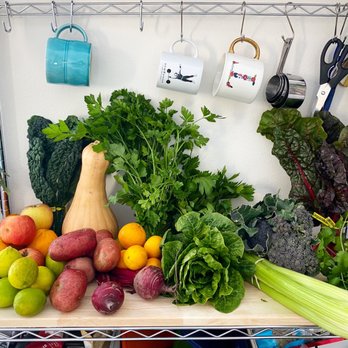
COVID-19 pandemic review: Signed up for my first CSA since living in San Diego because the farmer's markets are closed, and I am trying to limit my grocery store visits. I received my first box and all the fruits and veggies were vibrant and fresh! I received kale, lettuce, butternut squash, limes, oranges, tangerines, parsley, cilantro, beets, red potatoes, broccoli, celery, chard, and apples. I am really impressed. I got a small box for $30, plus $6 delivery fee and $10 annual membership fee.


We love getting our weekly box of delicious, tasty, colorful veggies and the owners are so nice and grateful for our business. Thank you, Sage Mountain Farm for taking good care of us during Covid-19.

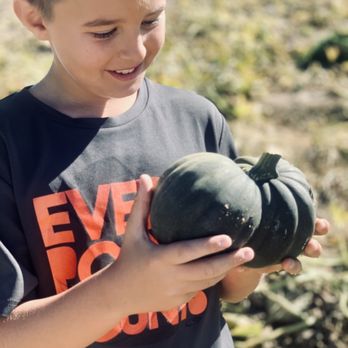
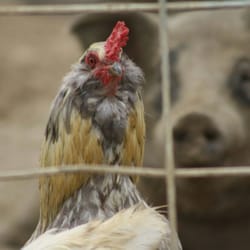
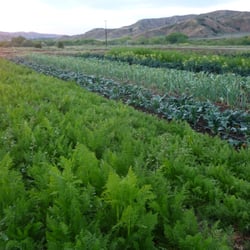
Our family toured Sage Mountain Farm and it was one of the most joyous afternoons we've had this year! Phil and his son took me, my husband and three young boys around their farm and shared what it takes to be a sustainable organic farm. They could not have been kinder and more patient. The boys got to pick squash, pet pigs, chase dogs, wonder at the cattle, marvel at the egg laying chickens, and laugh at the loud goats. We left there with the most bountiful box of beautiful produce and fresh eggs, as well as enough grass fed beef and cuts of pork to last a while. We feel so blessed we connected with this family and with Sage Mountain Farm


7 years ago

5 months ago
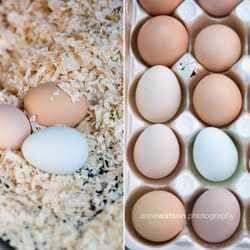
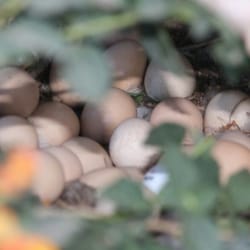
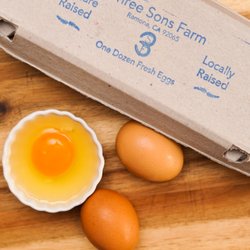
I'm changing my review after trying the beef I purchased and the owner reaching back about my missing eggs. The ground beef and steak cuts were all very well marbled and tasty. The eggs come in different sizes, have amazing different colored shells and beautiful orange yolks which made for delicious scrambled eggs. One star off for the rack of lamb. read more


2 years ago
2 years ago
2 years ago
2 years ago

6 years ago
COVID-19 pandemic review: Signed up for my first CSA since living in San Diego because the farmer's markets are closed, and I am trying to limit my grocery store visits. I received my first box and all the fruits and veggies were vibrant and fresh! I received kale, lettuce, butternut squash, limes, oranges, tangerines, parsley, cilantro, beets, red potatoes, broccoli, celery, chard, and apples. I am really impressed. I got a small box for $30, plus $6 delivery fee and $10 annual membership fee. read more


6 years ago
We love getting our weekly box of delicious, tasty, colorful veggies and the owners are so nice and grateful for our business. Thank you, Sage Mountain Farm for taking good care of us during Covid-19. read more

3 years ago

6 years ago

6 years ago
6 years ago
Our family toured Sage Mountain Farm and it was one of the most joyous afternoons we've had this year! Phil and his son took me, my husband and three young boys around their farm and shared what it takes to be a sustainable organic farm. They could not have been kinder and more patient. The boys got to pick squash, pet pigs, chase dogs, wonder at the cattle, marvel at the egg laying chickens, and laugh at the loud goats. We left there with the most bountiful box of beautiful produce and fresh eggs, as well as enough grass fed beef and cuts of pork to last a while. We feel so blessed we connected with this family and with Sage Mountain Farm read more




8 years ago
9 years ago
8 years ago
I purchased one rib eye steak and two pork chops at the Riverside Farmers Market today. Didn't even think twice about the $53 price since the gentleman spoke highly about the meat being grass fed. Was looking forward to cooking the selections for dinner. Cooked my steak to a perfect medium rare and let us rest, like I do for all the rib eyes I cook. Well, I have never been more disappointed in the result. I have boots that are more tender. I was only able to finish half because my jaw started hurting from all the hard chewing. I don't know what else to say other than I'd like a refund. Really confused because the meat looked like it had a decent amount of marbling and the color was beautiful. read more

More info about Sage Mountain Farm
55520 Hwy 371
Anza, CA 92539
Directions
(951) 663-3079
Call Now
Visit Website
http://www.SageMountainFarm.com
Hours
Payment methods
Food & Alcohol
Outdoor Amenities
Other Amenities
From the Business
Ask the Community - Sage Mountain Farm
Review Highlights - Sage Mountain Farm
You might also consider



















Sage Mountain Farm - csa - Updated August 2026
Best of Anza
People found Sage Mountain Farm by searching for…
Trending Searches in Anza, CA
Apple Cider Donuts near Sage Mountain Farm
Apple Picking Farm near Sage Mountain Farm
Asian Fusion near Sage Mountain Farm
Baby Shower Locations near Sage Mountain Farm
Blueberry Picking near Sage Mountain Farm
Breakfast near Sage Mountain Farm
Chinese Buffet near Sage Mountain Farm
Coffee & Tea near Sage Mountain Farm
Cookies near Sage Mountain Farm
Donuts near Sage Mountain Farm
Farm Fresh Eggs near Sage Mountain Farm
Farm Stand near Sage Mountain Farm
Farmers Market near Sage Mountain Farm
Flower Fields near Sage Mountain Farm
Free Compost near Sage Mountain Farm
Healthy Food near Sage Mountain Farm
Ice Cream near Sage Mountain Farm
Live Poultry Market near Sage Mountain Farm
Lobster Roll near Sage Mountain Farm
Meal Delivery Service near Sage Mountain Farm
Sandwiches near Sage Mountain Farm
Seafood near Sage Mountain Farm
Smoothie near Sage Mountain Farm
Browse Articles
Browse Nearby
BEST of Anza, California Farms near Sage Mountain Farm
BEST of Anza, California Restaurants near Sage Mountain Farm
BEST of Anza, California Desserts near Sage Mountain Farm
BEST of Anza, California Delivery near Sage Mountain Farm
BEST of Anza, California Coffee near Sage Mountain Farm
BEST of Anza, California Things to Do near Sage Mountain Farm
BEST of Anza, California Ranches near Sage Mountain Farm
BEST of Anza, California Horseback Riding near Sage Mountain Farm
Browse Brands
Related Searches in Anza, CA
Attend Farmers Market Saturday in Anza, California
Blueberry Picking Experiences in Anza, California
Browse Organic Grocery Stores in Anza, California
Browse Popular Seafood Markets in Anza, California
Buy Farm Fresh Eggs in Anza, California
Buy Fresh Produce Near Anza, California
Buy Fresh Raw Milk From Trusted Sources in Anza, California
Buy Pure Local Honey From Anza, California Producers
Buy the Best Organic Produce in Anza, California
Discover the Best Fruit Farm Options in Anza, California
Discover the Best Organic Farm in Anza, California
Enjoy Apple Picking Adventures in Anza, California
Enjoy Berry Picking Experiences in Anza, California
Enjoy Strawberry Picking Adventures in Anza, California
Explore Farmers Market Favorites in Anza, California
Explore Fun Corn Maze Attractions in Anza, California
Explore Local Organic Farms in Anza, California
Explore Popular Attraction Farms in Anza, California
Explore Pumpkin Patches Around Anza, California
Explore Scenic Sunflower Fields in Anza, California
Explore Top Apple Orchards Around Anza, California
Fast Produce Delivery Service in Anza, California
Find Local Egg Farms in Anza, California for Fresh Produce
Find Top-Rated Petting Zoos Near Anza, California
Find the Best Cherry Picking Farm in Anza, California
Find the Best Fruit Stand in Anza, California
Find the Best U Pick Farms to Visit in Anza, California
Fun Peach Picking Experiences in Anza, California
Order Fresh Csa Box Options in Anza, California
Quality Nurseries & Gardening in Anza, California
Quality Venison Meat Suppliers in Anza, California
Quality Wild Game Meat Available in Anza, California
Shop Cheap Produce Markets Around Anza, California
Shop Fresh at the Organic Farmers Market in Anza, California
Shop for Natural Raw Honey in Anza, California
Top Spots for Fruit Picking in Anza, California
Visit Farmers Market Friday Events in Anza, California
Visit You Pick Farm Experiences in Anza, California
Visit a Blueberry Farm Around Anza, California
Visit a Family Farm Experience in Anza, California
Visit a Flower Farm in Anza, California Today
Visit a Local Chicken Farm in Anza, California
Visit a Local Dairy Farm in Anza, California for Fresh Products
Visit a Local Turkey Farm Near Anza, California
Visit a Strawberry Farm in Anza, California Today
Visit the Best Farm Stand in Anza, California
Visit the Best Produce Market in Anza, California
Visit the Farmers Market Sunday in Anza, California


