
Detroit Perk Coffee House
Order Detroit Perk Coffee House Takeout or Delivery
Detroit Perk Coffee House Photos


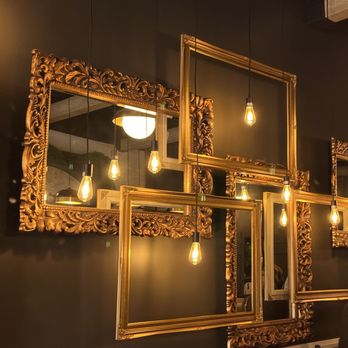


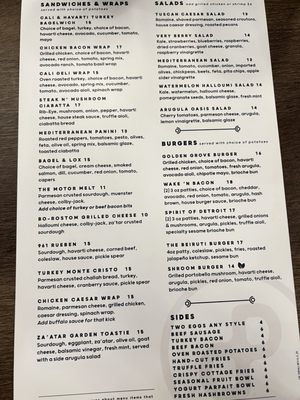


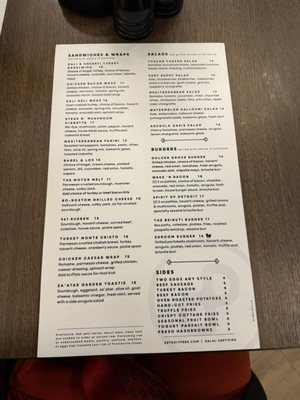
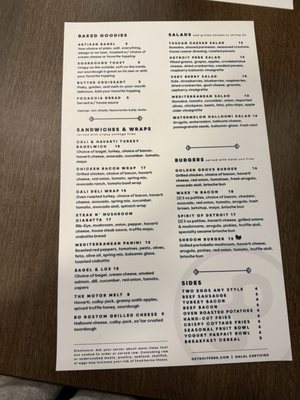
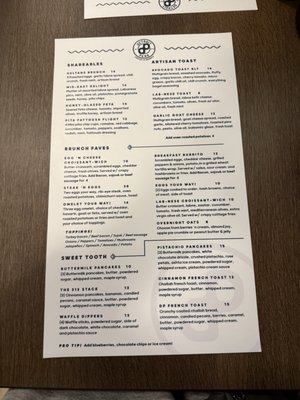
DETROIT PERK COFFEE HOUSE ATMOSPHERE
What's the vibe?


You might also consider


More like Detroit Perk Coffee House
Recommended Reviews - Detroit Perk Coffee House
Start your review...

Reviews With Photos


What a pleasant surprise to find this coffee shop while waiting for my daughter to finish her golf lessons at Rouge. Staff was very friendly and my "Whitney" coffee was great. I also had a grilled cheese sandwich that I took to go and the cheese was perfectly melted. I could have used a bit less ice in the iced coffee but I should have asked for that.


I enjoyed my experience here. It's a coffee shop, then you walk through this cool secret bookshelf entrance, it's small in there but the aesthetics are there it is absolutely beautiful. The service was a little slow since it was only two servers but they made the best they could and the kitchen was backed up but the food was worth the wait. The French toast was great. The beef bacon was amazing crispy and the fat cooked down (it's hard to find places that know how to cook beef bacon) but overall great experience. I will be back


Really cute little space, u do need reservations bc seats are limited. Good variety menu. I got the breakfast bowl it was tasty but greasy. The chicken Caesar wrap was good. I also got a Spanish latte which was very good. This is probably my second time here and enjoyed both visits

The Brunch Room by Detroit Perk is exceptional. My family of five happened by it by chance. It is super clean, nice decor, and the staff was incredibly kind and helpful. There was only one table large enough to fit us and it had just be taken by a two person party that were locals. They graciously offered to move tables to accommodate us. I think the hostess was kind enough to facilitate the move. Our server was very kind and helpful explaining some of the menu items that were new to us. There was only coffee was amazing! Everyone loved everything we ordered. I highly recommend it if you are in the Dearborn area.

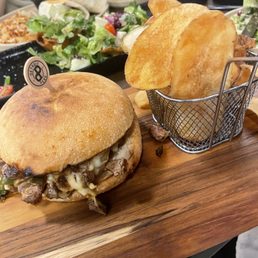
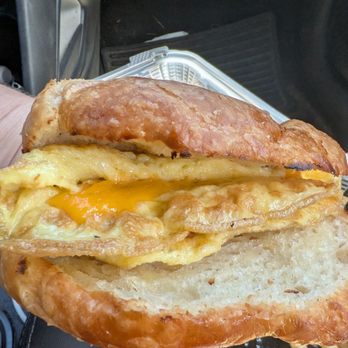
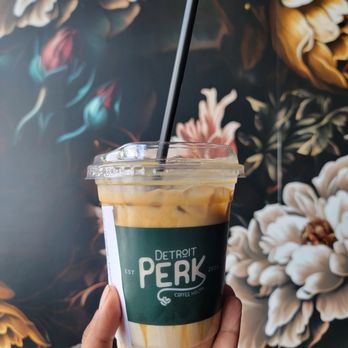
I love Detroit Perk! It's one of the cutest coffee shops in the area. Lovely ambiance, people, coffee and food. I had the egg and cheese croissandwich and truffle fries for the first time today, and it was so good! A buttery, warm sandwich and fresh cut super hot fries. I will for sure be ordering more food from here as well as their delicious coffee drinks. I feel like they're going the extra mile here, and I really appreciate it when so many restaurants cut corners.
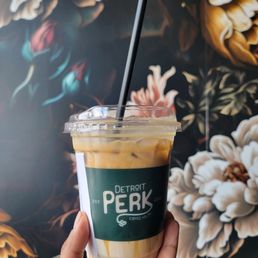

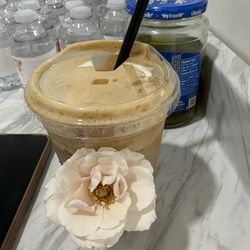
Love the moody and cozy vibes. My iced latte was delicious. Perfect amount of sweetness. Definitely will be coming back.


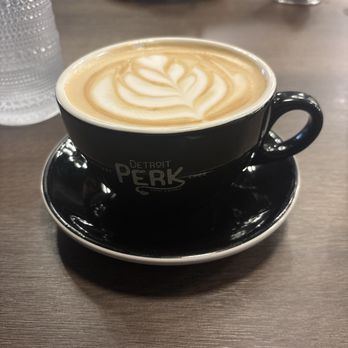
Of note, this is a review of Detroit perk brunch house. Which is inside the coffee house, but a separate room where you are seated and have waiter service. We're in town for the weekend looking for somewhere cute for brunch and this place was def the vibe. A lot of people were cutely dressed in dresses etc, we seemed a little underdressed in our athleisure. They asked if we had a Rez and when we said no said we could have the last open table. Service was friendly and efficient. My rose sangria latte was 5 stars and my fave part of the brunch. We all got the egg croissant sandwich, I added avocado and they didn't skimp on the amount they added which I always appreciate. Overall cute brunch place with great coffee.


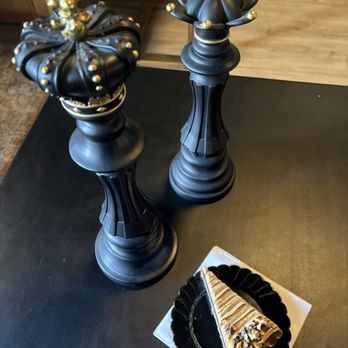
A posh and cozy coffee spot nestled on Ford Road, just on the cusp of West Dearborn and Dearborn Heights. Moody lighting and smart decor make for a sophisticated yet approachable cafe with a great menu and friendly service. I went for the "Spirit of Detroit" latte- iced. Rich, sweet, and spicy without being overly complicated, this is a beautiful beverage for those Fall days that still have plenty of sun. "The Spirit of Detroit" features espresso, vanilla, honey, cinnamon and milk- an instant classic! My only critique is that a few of the tables were wobbly and some of the seating, while charming, was quite deep making it hard to get in and out of for some. I loooove the fireplace and the game wall. Popular without being overcrowded or loud, this is a great spot to study, work, or enjoy a coffee date. I plan on visiting for years to come!

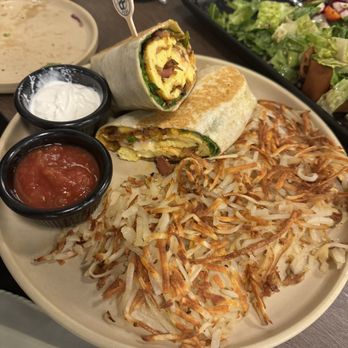
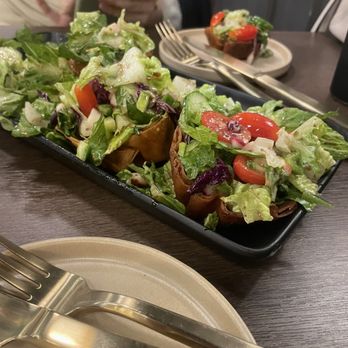
What a gem! This awesome coffee shop just leveled up to a full-on brunch house, and it delivers. The food was phenomenal, every bite bursting with fresh, vibrant flavor. Service was warm and attentive without being overbearing. A new go-to spot. We tried their breakfast burrito, pita fattoush flight, and the steak n mushroom ciabatta. Again, phenomenal!


1 month ago
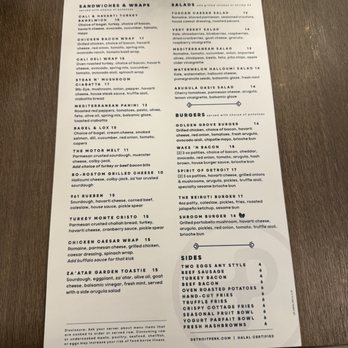
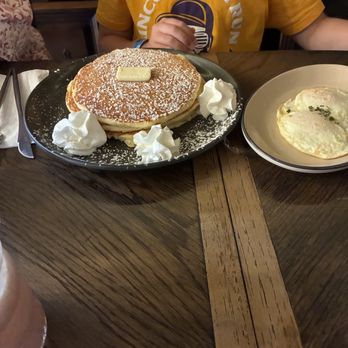
So many cafe and brunch spot in Dearborn but this is pretty creative in terms of sitting and drinks. Brunch, is in a speakeasy type small room that is hidden. Food is good. There are some American features and Arabic on the menu. Plenty of choices. Pancake and steak grilled just right. Coffee menu are pretty creative too. They have some unique flavors that I haven't seen before. Cafe doesn't ask for tip. Finally a place that make sense and pay their employees properly read more
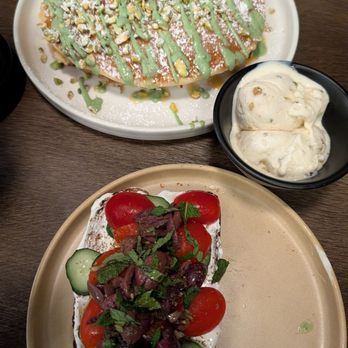
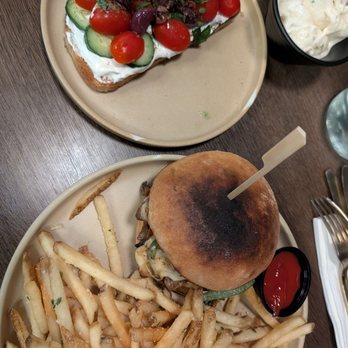

Stopped by on my way to work to try the Iced Cherry Sakura Chai, with a shot of espresso. The drink was pretty good- the flavors weren't too strong. I could taste the Chai more, but really liked the hint of cherry flavor. The staff that helped was friendly and helpful. The indoor decor was so cute and had a cozy feel. Definitely plan on coming back for other drinks and to check out their brunch. They have a few parking spots (in the back) that is for to go orders (and plenty other parking). read more


This brunch spot is as good as you can find anywhere! Everything that I tried is delicious and I'm certain that there's no way to choose wrong. My personal favorites are the 313 stack and the breakfast bowl with steak tips! Must try. read more
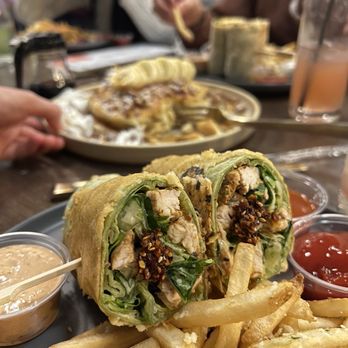


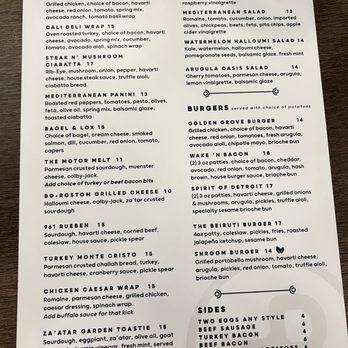


What a pleasant surprise to find this coffee shop while waiting for my daughter to finish her golf lessons at Rouge. Staff was very friendly and my "Whitney" coffee was great. I also had a grilled cheese sandwich that I took to go and the cheese was perfectly melted. I could have used a bit less ice in the iced coffee but I should have asked for that. read more


10 months ago
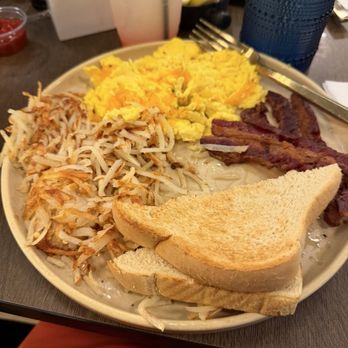
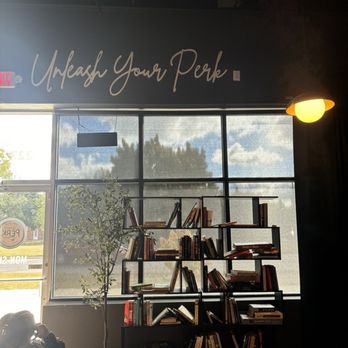
I enjoyed my experience here. It's a coffee shop, then you walk through this cool secret bookshelf entrance, it's small in there but the aesthetics are there it is absolutely beautiful. The service was a little slow since it was only two servers but they made the best they could and the kitchen was backed up but the food was worth the wait. The French toast was great. The beef bacon was amazing crispy and the fat cooked down (it's hard to find places that know how to cook beef bacon) but overall great experience. I will be back read more





10 days ago

Really cute little space, u do need reservations bc seats are limited. Good variety menu. I got the breakfast bowl it was tasty but greasy. The chicken Caesar wrap was good. I also got a Spanish latte which was very good. This is probably my second time here and enjoyed both visits read more


2 months ago
The Brunch Room by Detroit Perk is exceptional. My family of five happened by it by chance. It is super clean, nice decor, and the staff was incredibly kind and helpful. There was only one table large enough to fit us and it had just be taken by a two person party that were locals. They graciously offered to move tables to accommodate us. I think the hostess was kind enough to facilitate the move. Our server was very kind and helpful explaining some of the menu items that were new to us. There was only coffee was amazing! Everyone loved everything we ordered. I highly recommend it if you are in the Dearborn area. read more



1 year ago
I love Detroit Perk! It's one of the cutest coffee shops in the area. Lovely ambiance, people, coffee and food. I had the egg and cheese croissandwich and truffle fries for the first time today, and it was so good! A buttery, warm sandwich and fresh cut super hot fries. I will for sure be ordering more food from here as well as their delicious coffee drinks. I feel like they're going the extra mile here, and I really appreciate it when so many restaurants cut corners. read more




1 month ago
3 months ago

Of note, this is a review of Detroit perk brunch house. Which is inside the coffee house, but a separate room where you are seated and have waiter service. We're in town for the weekend looking for somewhere cute for brunch and this place was def the vibe. A lot of people were cutely dressed in dresses etc, we seemed a little underdressed in our athleisure. They asked if we had a Rez and when we said no said we could have the last open table. Service was friendly and efficient. My rose sangria latte was 5 stars and my fave part of the brunch. We all got the egg croissant sandwich, I added avocado and they didn't skimp on the amount they added which I always appreciate. Overall cute brunch place with great coffee. read more


1 year ago
7 months ago
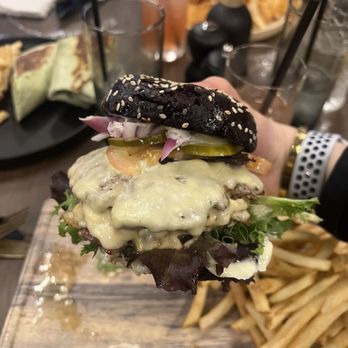
This place is super cute. Love the decor. The brunch area is through a hidden door. Everyone is friendly and polite. The food was very good. That was the best burger I had in a while. Drinks are good too. Would definitely recommend and come back read more


1 year ago

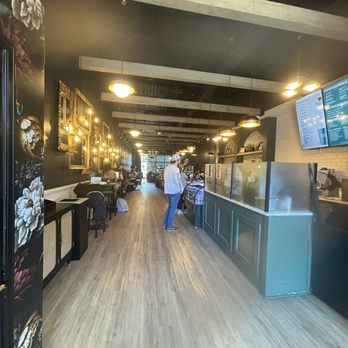
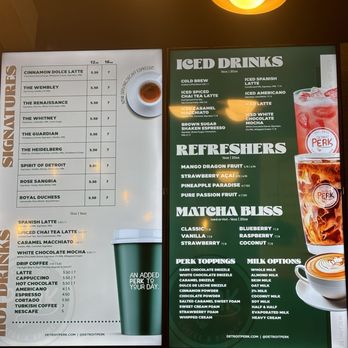
A posh and cozy coffee spot nestled on Ford Road, just on the cusp of West Dearborn and Dearborn Heights. Moody lighting and smart decor make for a sophisticated yet approachable cafe with a great menu and friendly service. I went for the "Spirit of Detroit" latte- iced. Rich, sweet, and spicy without being overly complicated, this is a beautiful beverage for those Fall days that still have plenty of sun. "The Spirit of Detroit" features espresso, vanilla, honey, cinnamon and milk- an instant classic! My only critique is that a few of the tables were wobbly and some of the seating, while charming, was quite deep making it hard to get in and out of for some. I loooove the fireplace and the game wall. Popular without being overcrowded or loud, this is a great spot to study, work, or enjoy a coffee date. I plan on visiting for years to come! read more


11 months ago

1 year ago
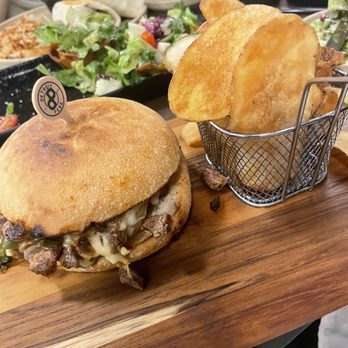
What a gem! This awesome coffee shop just leveled up to a full-on brunch house, and it delivers. The food was phenomenal, every bite bursting with fresh, vibrant flavor. Service was warm and attentive without being overbearing. A new go-to spot. We tried their breakfast burrito, pita fattoush flight, and the steak n mushroom ciabatta. Again, phenomenal! read more

1 year ago

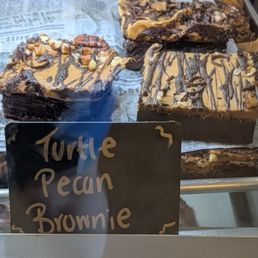
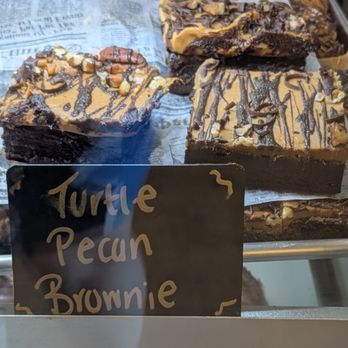
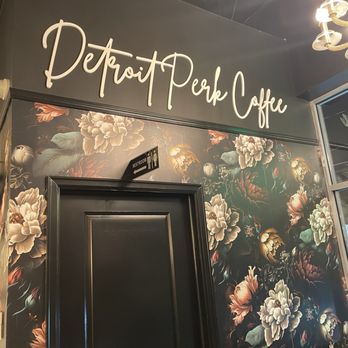
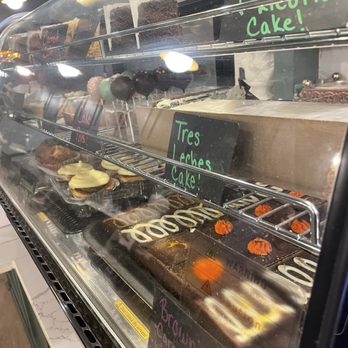
Dearborn is officially the coffee capital of the US and Detroit Perk is among the best. And it's new! We went at about 10pm and got coffee and desserts. Everything tasted as fresh as if it was just made. The service was impeccable. And this has to be the most well appointed coffee shop I have been to so far. I want the flower wallpaper at my house! I'll be back. read more
10 months ago

5 months ago

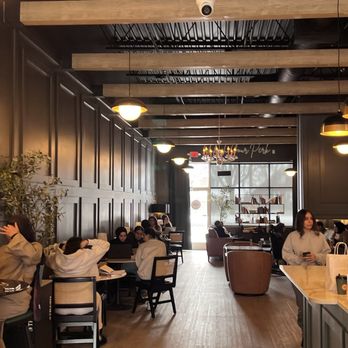
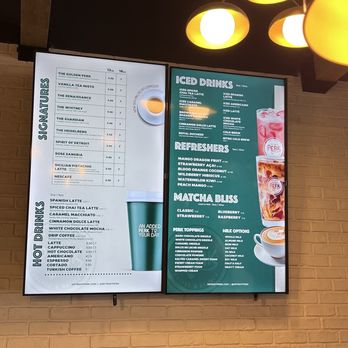
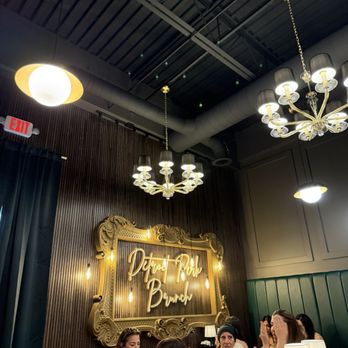
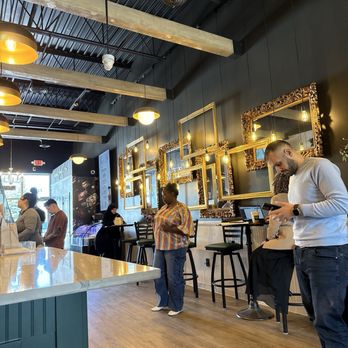
My first time at this lovely coffee shop and I will definitely be back! Very nice decor, dark walls but it makes the art and gold light fixtures stand out for a warm feel. I had a regular latte and the coffee aroma and flavor had a medium(?) strength but very smooth and enjoyable. The cinnamon rolls was fantastic! Perfect size for one, came in a muffin/ cupcake like liner but wider and it goes up to the generous layer of creamy frosting. I just peeled the liner off and picked it up to eat, also like a cupcake, since I ate it at home. But I can honestly say, I would've done the same in the coffee shop! The staff were very friendly and courteous, addressing me by name while I waited, which was maybe five whole minutes in and out. Prices were reasonable $5.50 small latte and I don't recall cinnamon roll price but it was definitely worth it! I highly recommend this little shop and will definitely be back! It's right next to Beirut By Nights restaurant so you might miss it at first and there's ample parking is in back. read more
11 months ago

1 year ago
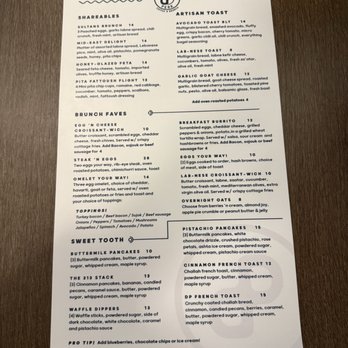
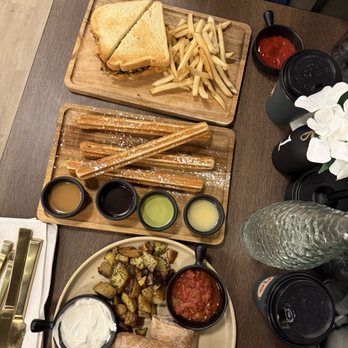
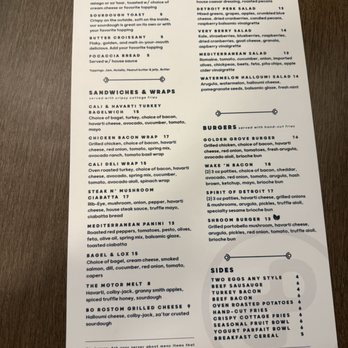
My favorite coffee shop. Vibes and coffee are 5/5. Tried brunch -- I got the waffle stixs and breakfast burrito which were mid tbh but I'd go back to try other items. My mom got the steak and mushroom sandwhich which was very good. Would give the brunch place 4/5 read more


2 years ago
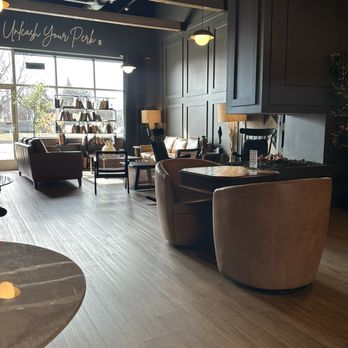
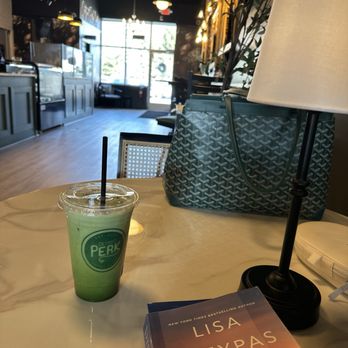
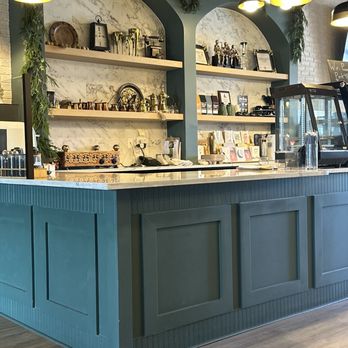
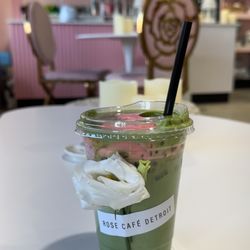
This place is so cuuuuute! I love the entire ambiance of the shop & the classic matcha with coconut milk was good! This is now my go to coffee shop! read more
7 months ago
1 year ago
So many amazing options for all types of food lovers. Highly recommend and would come back again!! read more

1 year ago
1 year ago
More info about Detroit Perk Coffee House
Ask the Community - Detroit Perk Coffee House
Review Highlights - Detroit Perk Coffee House
You might also consider















Why does Yelp recommend reviews?
2 reviews that are not currently recommended
The reviews below are not factored into the business's overall star rating.

1 year ago


