
Hibari Photos



Business Info
Hibari Popular Dishes


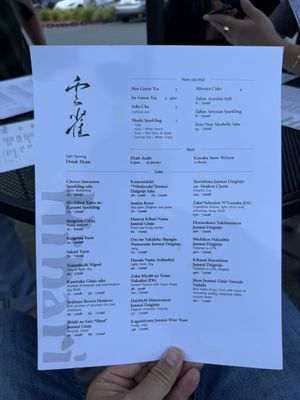


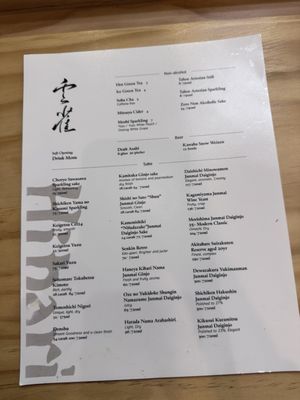


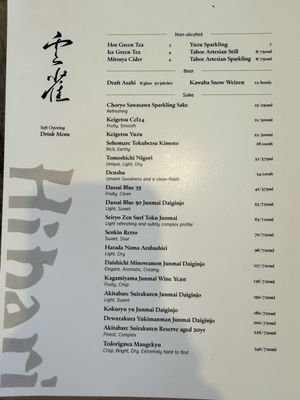
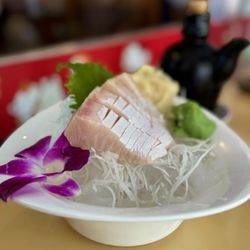
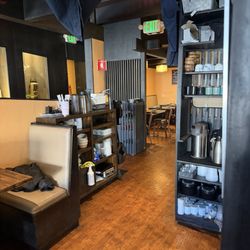
HIBARI ATMOSPHERE

Recommended Reviews - Hibari
Start your review...

Reviews With Photos


Lunch set is very simple and refreshing! Biden gem in Ladera off HW280. Perfect for VC business lunch, quiet and neat ambiance!


Came here for dinner on a Sunday night. This is a great little spot hidden away in Portola Valley. Parking was plentiful, no lines, great quiet atmosphere, and the staff was friendly and attentive. Pricing was very reasonable and the quality of the fish was great. Presentation was great as well and the staff explained each fish that came out, which demonstrated pride in their craft. As someone who has tried omakases throughout the worls, this was a solid place. Rice was appropriately sized, well cooked, and prepared for each nigiri. Note this establishment only serves sushi omakase style, at least from my experience, but overall would recommend to friends.


Probably a 3.5-4 for me. Tried this relatively new Japanese restaurant after seeing great reviews. The restaurant itself is bright and welcoming, with nice staff and they add a lot of cute and pretty details such as the finger towel dishes where the lids also serve as chopstick dishes! They also have a nice variety of colorful sake glasses and seving plates, bowls and pots! Our party of 6 had both dinner sets. We ordered 3 of the full $150 prix fixe set and 3 of the $88 pettit sets and they didn't mind that we shared the larger sets. However, while the food dishes themselves were presented nicely, they lacked any memorable favors particularly in the raw fish in the sashimi and nigiri. They explained that the dinner service is still a work in progress while their lunch menu is now pretty solid and doing well. However, they are still trying to come up with the right dishes for dinner and are working towards offering a full kappo-style meal with perhaps some nigiri only options and ability to offer patrons who don't reserve the full sets a chance to try the kappo dishes, too. I will say that they were helpful also in answering our questions about the drinks menu as we wanted better descriptions of the flavors. I wish them well but admittedly have had much better sushi and sashimi at these prices in the Bay Area.


We came here to celebrate a birthday and the staff were extremely friendly and knowledgeable about the menu and ingredients. However, I left feeling pretty mixed. It's a newer spot, and I've heard they have a great lunch menu, but I think dinner might still be a work in progress. The dishes I had were fine, not bad, but just kind of okay, and for the price point I was expecting more. There are definitely better Japanese options in the Bay Area for what you're paying here. That said, I don't think this is a bad restaurant, just one that's still figuring out its dinner identity. I'd be willing to give them another shot down the line once they've had more time to dial things in, but for now it unfortunately didn't quite live up to the price for me.
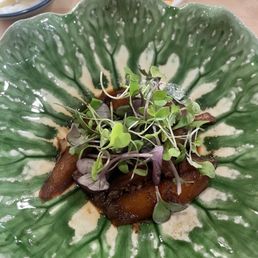

Beautiful space, but missing the mark on the menu** We visited for a friend's birthday dinner. The service was nice, and the restaurant simple decor, which makes for a atmosphere. However, I felt the menu lacked the "wow factor" you'd expect at this price point. We actually visited our neighborhood omakase just a week prior, and the contrast was stark. Here, the selection felt a bit disjointed--there were several different soups (which felt like overkill) and a potato salad that just didn't hit the mark. While the fish itself was fresh, I would have been much happier with a smaller, more curated version of the assortment rather than the filler dishes. It's a lovely spot, but the food didn't quite live up to the refined aesthetic of the space.


Hibari is the newest omakase destination in Portola Valley and it needs to be on your radar We tried their 10‑course prix fixe ($150), a beautifully curated lineup featuring sashimi, tofu, clay‑pot broth, and nigiri. Such a perfect date‑night spot that we're already planning our next visit. If you want to level up, they also offer a more elaborate kappo‑style omakase, plus lunch options we're definitely coming back for


Came here for lunch with a friend and got the goma kanpchi and tekka dons. It's partly my fault for not reading in detail that the kanpachi don comes with sweet soy, which really is not what I was craving. I asked for soy on the side to combat the sweetness. For the price ($35 and $38) I didn't really think it was worth it.


Currently my TOP sushi spot on the Peninsula!! We were so impressed with the quality and value that we went twice in the span of a week! - Table: We got a last minute table ressie last week and had the prix fixe dinner menu. All of the dishes were bursting with flavor and the nigiri were so nicely prepared and well balanced. We also got an excellent sake recommendation. We were so impressed that when we learned that the counter omakase is a totally different experience than the table menu, we came back a week later! - Counter: Another excellent experience! For now, they are only doing one counter seating per night and serve a curated menu that's completely different than at a table. It was so fun watching Chef Taka at work and we loved chatting with him throughout the evening. And, there was so much food! We had 14 pieces of nigiri plus almost a dozen other dishes. We were especially impressed with the selection of fish, including a lot of pieces you don't typically see. Hibari is honestly such a hidden gem. Definitely worth the trip out to Portola Valley!


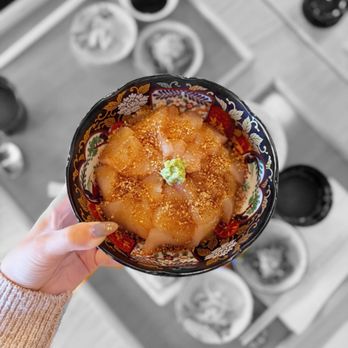
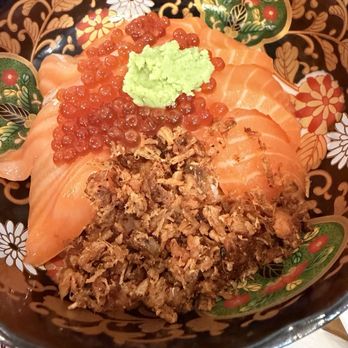
I had heard of this place through Resy and had low expectations but boy was I blown away! The restaurant is super cute and the service was great - all the servers were very friendly and attentive. My salmon bowl was fresh and delicious, and I enjoyed the different cuts of salmon. The special touch at the end was the broth they give you to add to the bowl. It is a little on the pricey side but it's worth it for the service and food quality.


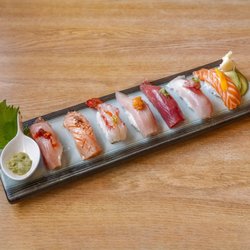
I'm always down to try new sushi spots! I came on a Saturday night and it surprisingly wasn't too busy. The restaurant is located in a small plaza with parking right out front. The space has a modern, minimalist vibe that feels calm and intimate. They only have four seats at the counter (which I think are the best seats in the house) so I recommend making a reservation early if you want to sit there to watch the chefs and interact with them. The food: - The omakase started with tofu noodles paired with a light tomato broth. The texture was great but I personally would have liked the broth to be a bit more tangy. - The sashimi course were on the thin side but had decent flavor. Quality was standard, nothing really stood out. I did enjoy the pickled ginger with lotus root, which was a nice and unique touch. - My favorite appetizer of the night was the tofu mashed with persimmon and cucumber. It was creamy with a natural sweetness from the persimmon and a nice crunch from the cucumber. - The meal included two rounds of nigiri, which were the highlight. The fish was buttery and fresh with many selections sourced from Japan. I also liked that the chef used both white vinegar rice and red vinegar rice, choosing the one that best paired with each fish. Overall, the nigiri were very good but the appetizers felt a little underwhelming for the price point. If the opening courses were stronger, the overall experience would have been more impressive since the sushi itself was solid.
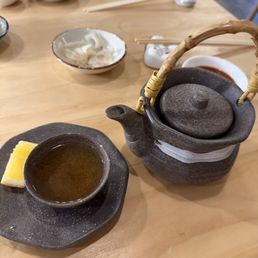

To quote my husband: "there wasn't a single thing where I thought: 'wow, this is good'." :( For me, I thought the Hokkaido uni nigiri was very good, and glad they included it in the dinner prix fixe without making it a supplement because that was the only stand out. Very average nigiri, tiny non-nigiri portions, and kinda gimmicky. I feel like they were trying to fill us up with the dashi course? Tasty dashi but absolutely no reason to have an entire tea pot of it with only, *counts pieces* TWO mushrooms and a piece of fish half the size of my pinky inside. Authentic doubin mushi is a lot more substantial. I had to use soy sauce on the nigiri even though I was instructed not to because the rice and fish lacked seasoning. Seems like their main draw is the lunch dons so maybe I need to come back for that. But between the lack of value, flavor and weirdly long service wait times (don't bother coming at 7:30pm because you will sit there til the 8:00pm folks show up and won't get served food til they are), dinner isn't worth it. I also wish them well but can't frankly recommend them at this time.


This new spot is amazing, even during its soft opening! The space feels wonderfully warm and inviting, and the staff was nice enough to adjust the indoor temperature when I mentioned it was a bit too warm. I ordered the off-menu premium sake flight where you get to pick your own gorgeous glasses. The lunch premium don set featured incredibly fresh fish from Japan, cute plating, and an amazing miso soup that tasted perfect when mixed into the rice halfway through. Service was highly attentive from both the reception and our server. A perfect dining experience!


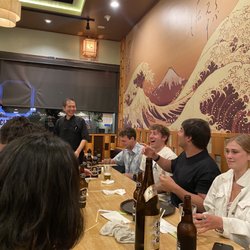
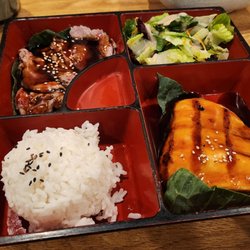
We came by for lunch and the restaurant filled up pretty quickly. This is a new restaurant at Ladera and the owner, Chef Taka, was the former head sushi chef at Nobu Palo Alto. Ambiance: 5/5 Bright white interior with light wood tables and chairs, giving off a crisp atmosphere that is perfect for dates or a casual meal. Service: 5/5 Quick, friendly, and efficient. We got our teas and water refilled promptly without having to ask. Food: 4/5 Servings are pretty small so please do not come hungry. Lunch comes in sets; I'm curious about dinner menu as well. Salmon don, Kaisen don, and Tekka don sets - Fish was incredibly fresh and buttery although we all agreed tuna was a bit dry. Grilled cod saikyo miso set - I personally thought the grilled cod was dry; it was almost as if they forgot to marinate it in sweet saikyo miso. I also thought it was lacking in taste, which was unfortunate. Overall, I would recommend to give this place a try and would come back to try other items on the menu.


13 days ago

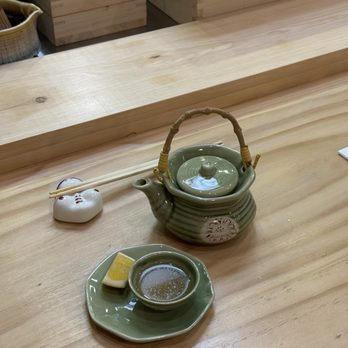
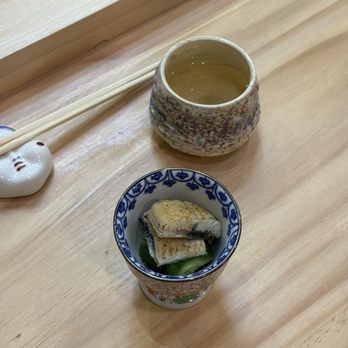
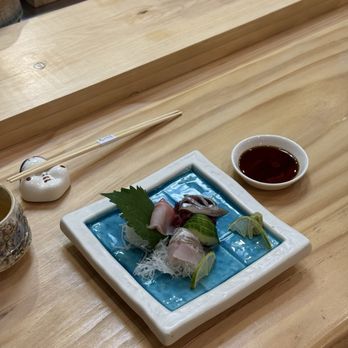
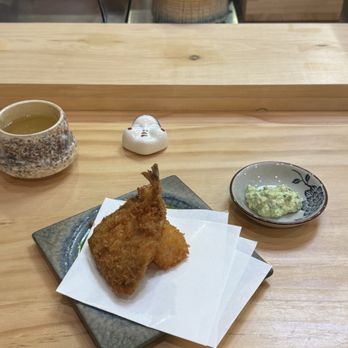
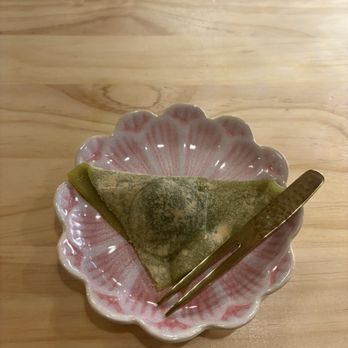
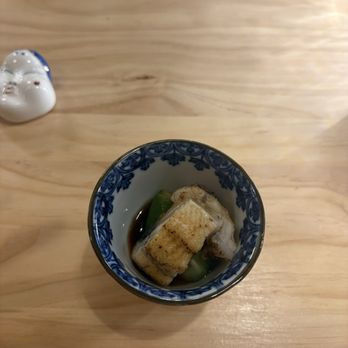
I had the most amazing kappo omakase at Hibari last night with Chef Taka! This was my first time having kappo omakase, which is actually quite unique and different from most omakase spots in the bay where sushi omakase is much more common. Instead of focusing on nigiri/sashimi, kappo omakase uses a much wider range of ingredients and cooking techniques across multiple courses. They focus on seasonal ingredients, so the menu changes frequently, but here's a few highlights from what I got on 8/27/26: * Boxed mackerel sushi with eggplant and shrimp * amberjack, uni with onion tofu, and monkfish liver * teapot soup with fish and mushrooms * Fried baby horse mackerel + fried daikon with house made shiso tartar * Simmered rock fish with summer squash, shishito, and dashi * Grilled unagi with cucumber and a light vinegar sauce * egg rice porridge * Matcha nama yatsuhashi with red bean and kinako Everything was fresh, intentional, and delicious! My favorites were the boxed mackerel, simmered rock fish, and the fried horse mackerel + daikon. The meal was also really well paced. I felt relaxed and never rushed through the courses. It was a very decent portion for omakase too. I was so full leaving haha Definitely an experience if you want to try a different type of omakase that's not just focused on nigiri! I loved how every course was a surprise and getting to try so many different flavor combinations, ingredients, and cooking methods. They also have a nigiri-focused omakase, and I'll definitely be back to try that next time! read more




1 month ago
Just wow! We came as a party of 2 for a dinner time omakase experience. Every dish was consistently flavorful, with artful presentation throughout. I really enjoyed how detailed and thoughtful the staff were when explaining each dish to us. Ambiance- cozy and intimate restaurant with nice modern Japanese decor. It's a perfect place for a special night out! I'll definitely be back. Such a great find and so far one of my favorite Japanese spots in the Bay :) read more





26 days ago
Lunch set is very simple and refreshing! Biden gem in Ladera off HW280. Perfect for VC business lunch, quiet and neat ambiance! read more


2 months ago
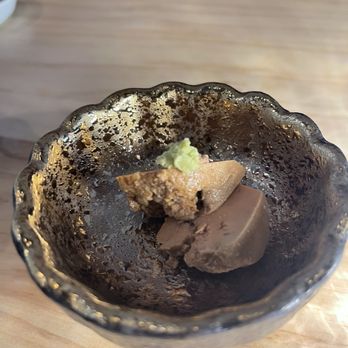
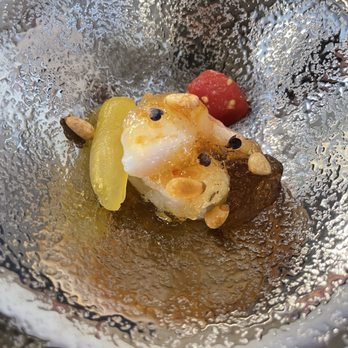
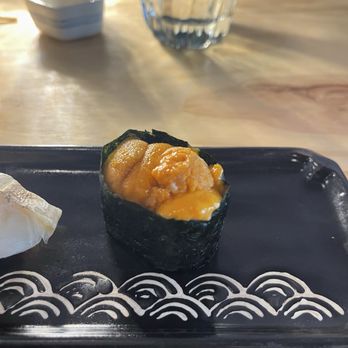
Came here for dinner on a Sunday night. This is a great little spot hidden away in Portola Valley. Parking was plentiful, no lines, great quiet atmosphere, and the staff was friendly and attentive. Pricing was very reasonable and the quality of the fish was great. Presentation was great as well and the staff explained each fish that came out, which demonstrated pride in their craft. As someone who has tried omakases throughout the worls, this was a solid place. Rice was appropriately sized, well cooked, and prepared for each nigiri. Note this establishment only serves sushi omakase style, at least from my experience, but overall would recommend to friends. read more








3 months ago
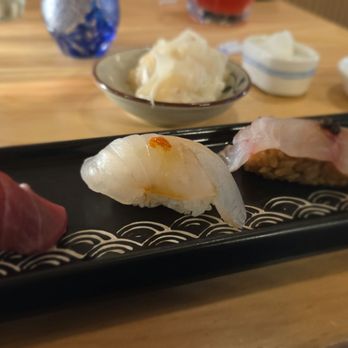
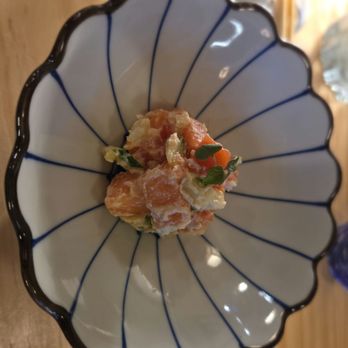
Probably a 3.5-4 for me. Tried this relatively new Japanese restaurant after seeing great reviews. The restaurant itself is bright and welcoming, with nice staff and they add a lot of cute and pretty details such as the finger towel dishes where the lids also serve as chopstick dishes! They also have a nice variety of colorful sake glasses and seving plates, bowls and pots! Our party of 6 had both dinner sets. We ordered 3 of the full $150 prix fixe set and 3 of the $88 pettit sets and they didn't mind that we shared the larger sets. However, while the food dishes themselves were presented nicely, they lacked any memorable favors particularly in the raw fish in the sashimi and nigiri. They explained that the dinner service is still a work in progress while their lunch menu is now pretty solid and doing well. However, they are still trying to come up with the right dishes for dinner and are working towards offering a full kappo-style meal with perhaps some nigiri only options and ability to offer patrons who don't reserve the full sets a chance to try the kappo dishes, too. I will say that they were helpful also in answering our questions about the drinks menu as we wanted better descriptions of the flavors. I wish them well but admittedly have had much better sushi and sashimi at these prices in the Bay Area. read more





1 month ago
We came here to celebrate a birthday and the staff were extremely friendly and knowledgeable about the menu and ingredients. However, I left feeling pretty mixed. It's a newer spot, and I've heard they have a great lunch menu, but I think dinner might still be a work in progress. The dishes I had were fine, not bad, but just kind of okay, and for the price point I was expecting more. There are definitely better Japanese options in the Bay Area for what you're paying here. That said, I don't think this is a bad restaurant, just one that's still figuring out its dinner identity. I'd be willing to give them another shot down the line once they've had more time to dial things in, but for now it unfortunately didn't quite live up to the price for me. read more


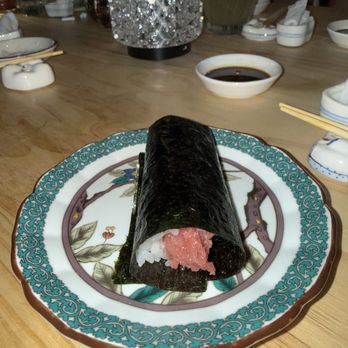
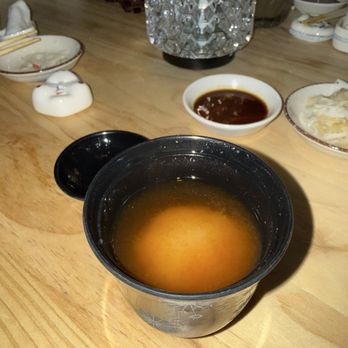


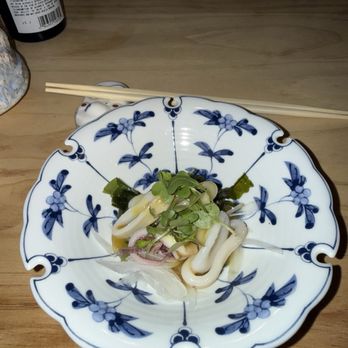

Beautiful space, but missing the mark on the menu** We visited for a friend's birthday dinner. The service was nice, and the restaurant simple decor, which makes for a atmosphere. However, I felt the menu lacked the "wow factor" you'd expect at this price point. We actually visited our neighborhood omakase just a week prior, and the contrast was stark. Here, the selection felt a bit disjointed--there were several different soups (which felt like overkill) and a potato salad that just didn't hit the mark. While the fish itself was fresh, I would have been much happier with a smaller, more curated version of the assortment rather than the filler dishes. It's a lovely spot, but the food didn't quite live up to the refined aesthetic of the space. read more
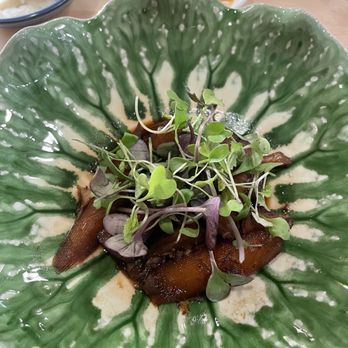
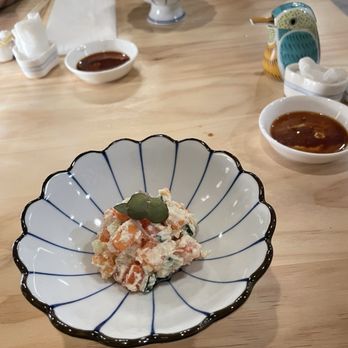


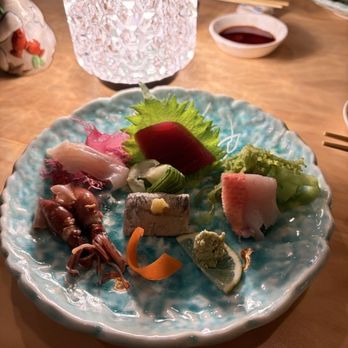
Hibari is the newest omakase destination in Portola Valley and it needs to be on your radar We tried their 10‑course prix fixe ($150), a beautifully curated lineup featuring sashimi, tofu, clay‑pot broth, and nigiri. Such a perfect date‑night spot that we're already planning our next visit. If you want to level up, they also offer a more elaborate kappo‑style omakase, plus lunch options we're definitely coming back for read more



3 months ago
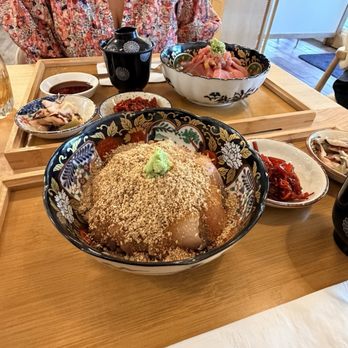
Came here for lunch with a friend and got the goma kanpchi and tekka dons. It's partly my fault for not reading in detail that the kanpachi don comes with sweet soy, which really is not what I was craving. I asked for soy on the side to combat the sweetness. For the price ($35 and $38) I didn't really think it was worth it. read more



5 months ago
Currently my TOP sushi spot on the Peninsula!! We were so impressed with the quality and value that we went twice in the span of a week! - Table: We got a last minute table ressie last week and had the prix fixe dinner menu. All of the dishes were bursting with flavor and the nigiri were so nicely prepared and well balanced. We also got an excellent sake recommendation. We were so impressed that when we learned that the counter omakase is a totally different experience than the table menu, we came back a week later! - Counter: Another excellent experience! For now, they are only doing one counter seating per night and serve a curated menu that's completely different than at a table. It was so fun watching Chef Taka at work and we loved chatting with him throughout the evening. And, there was so much food! We had 14 pieces of nigiri plus almost a dozen other dishes. We were especially impressed with the selection of fish, including a lot of pieces you don't typically see. Hibari is honestly such a hidden gem. Definitely worth the trip out to Portola Valley! read more


3 months ago
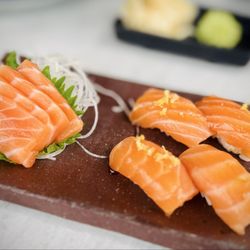
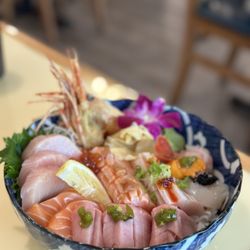
I had heard of this place through Resy and had low expectations but boy was I blown away! The restaurant is super cute and the service was great - all the servers were very friendly and attentive. My salmon bowl was fresh and delicious, and I enjoyed the different cuts of salmon. The special touch at the end was the broth they give you to add to the bowl. It is a little on the pricey side but it's worth it for the service and food quality. read more


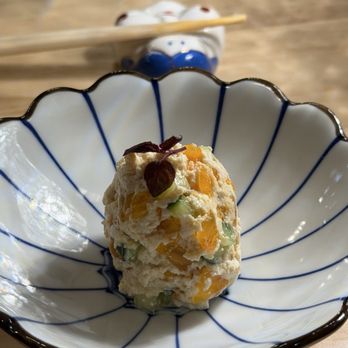
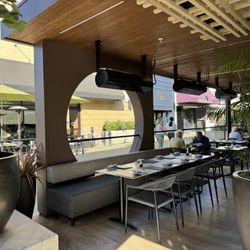
I'm always down to try new sushi spots! I came on a Saturday night and it surprisingly wasn't too busy. The restaurant is located in a small plaza with parking right out front. The space has a modern, minimalist vibe that feels calm and intimate. They only have four seats at the counter (which I think are the best seats in the house) so I recommend making a reservation early if you want to sit there to watch the chefs and interact with them. The food: - The omakase started with tofu noodles paired with a light tomato broth. The texture was great but I personally would have liked the broth to be a bit more tangy. - The sashimi course were on the thin side but had decent flavor. Quality was standard, nothing really stood out. I did enjoy the pickled ginger with lotus root, which was a nice and unique touch. - My favorite appetizer of the night was the tofu mashed with persimmon and cucumber. It was creamy with a natural sweetness from the persimmon and a nice crunch from the cucumber. - The meal included two rounds of nigiri, which were the highlight. The fish was buttery and fresh with many selections sourced from Japan. I also liked that the chef used both white vinegar rice and red vinegar rice, choosing the one that best paired with each fish. Overall, the nigiri were very good but the appetizers felt a little underwhelming for the price point. If the opening courses were stronger, the overall experience would have been more impressive since the sushi itself was solid. read more




3 months ago
To quote my husband: "there wasn't a single thing where I thought: 'wow, this is good'." :( For me, I thought the Hokkaido uni nigiri was very good, and glad they included it in the dinner prix fixe without making it a supplement because that was the only stand out. Very average nigiri, tiny non-nigiri portions, and kinda gimmicky. I feel like they were trying to fill us up with the dashi course? Tasty dashi but absolutely no reason to have an entire tea pot of it with only, *counts pieces* TWO mushrooms and a piece of fish half the size of my pinky inside. Authentic doubin mushi is a lot more substantial. I had to use soy sauce on the nigiri even though I was instructed not to because the rice and fish lacked seasoning. Seems like their main draw is the lunch dons so maybe I need to come back for that. But between the lack of value, flavor and weirdly long service wait times (don't bother coming at 7:30pm because you will sit there til the 8:00pm folks show up and won't get served food til they are), dinner isn't worth it. I also wish them well but can't frankly recommend them at this time. read more


This new spot is amazing, even during its soft opening! The space feels wonderfully warm and inviting, and the staff was nice enough to adjust the indoor temperature when I mentioned it was a bit too warm. I ordered the off-menu premium sake flight where you get to pick your own gorgeous glasses. The lunch premium don set featured incredibly fresh fish from Japan, cute plating, and an amazing miso soup that tasted perfect when mixed into the rice halfway through. Service was highly attentive from both the reception and our server. A perfect dining experience! read more


16 days ago

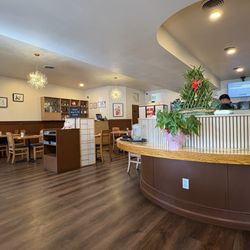
We came by for lunch and the restaurant filled up pretty quickly. This is a new restaurant at Ladera and the owner, Chef Taka, was the former head sushi chef at Nobu Palo Alto. Ambiance: 5/5 Bright white interior with light wood tables and chairs, giving off a crisp atmosphere that is perfect for dates or a casual meal. Service: 5/5 Quick, friendly, and efficient. We got our teas and water refilled promptly without having to ask. Food: 4/5 Servings are pretty small so please do not come hungry. Lunch comes in sets; I'm curious about dinner menu as well. Salmon don, Kaisen don, and Tekka don sets - Fish was incredibly fresh and buttery although we all agreed tuna was a bit dry. Grilled cod saikyo miso set - I personally thought the grilled cod was dry; it was almost as if they forgot to marinate it in sweet saikyo miso. I also thought it was lacking in taste, which was unfortunate. Overall, I would recommend to give this place a try and would come back to try other items on the menu. read more


1 month ago
Best omakase experience I've had so far! You can tell they want each bite to be unique as they placed so much detail into the texture and flavor. I love this place and I will be making another drive here when I'm available. read more


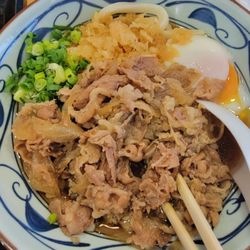
Omakase place that has dons for lunch. Their plates are super cute and the food is great. Cant wait to try other things on the menu Goma kanpachi don: 5/5 this is our favorite. Its already seasoned with sesame and soy. Tekka don: 4/5 good but nothing special, has different cuts of tuna. Hibari don 4/5: also good but didnt seem worth the price. As the dish that has the restaurant name i would have expected some special treatment of the fish. The hokkaido uni was great though. All their dishes come with sides and half way through they give you dashi. Loved the dashi part! read more


New restaurant and we came here for lunch today during their soft opening. We ordered the cod, blue fin tuna, and the omelette. The blue fin tuna was definitely the best out of the three. Tuna was fresh and the miso soup was really good. Nothing is wrong with the other two, they were delicious but just didn't stand out like the tuna. The restaurant is in a quiet neighborhood stripe mall. Easy to find. read more


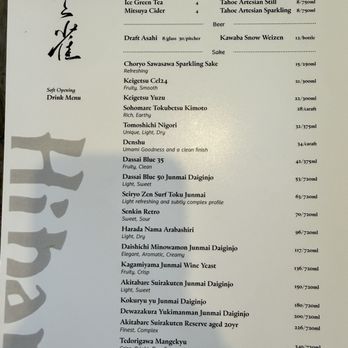
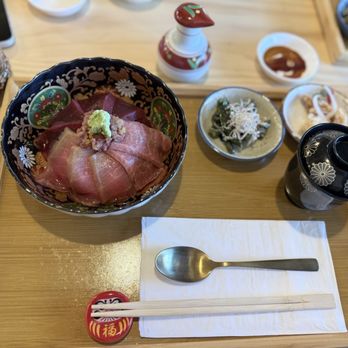


Went for lunch, there's a variety of lunch set options, ordered the Hibari Don set. The fish and uni tastes super fresh! Mid way though they poor miso soup to make it chazuke. Didn't like the chazuke that much - prefer to eat the Don as is, but not bad! Service was pretty quick, store looks new and clean. read more
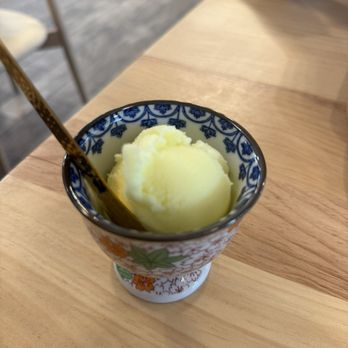


4 months ago
My wife and I came here for our anniversary and had a wonderful experience overall. The service was top-notch from start to finish, and our waiter Justin was attentive, knowledgeable, and professional throughout the evening. The omakase was delicious and introduced me to several new fish that I really enjoyed. Standouts include the Shima Aji and Kanpachi. They also served Katsuo which I thought was unique. The dashi course was incredibly flavorful. One aspect of the meal that I thought was very unique was the fact that they serve pickled lotus root with their pickled ginger, which Justin mentioned was unique to this restaurant. Their sake selection was also quite extensive, and the sake service itself was memorable -- they presented a box of different sake glasses for us to choose from, and some of the sake carafes were very creative, including one with a cute perched bird that sang a birdsong when poured. A couple minor critiques: the hand roll did not seem as fresh as it could have been since the seaweed lacked crispness, and I wish it had been prepared right before eating. The yuzu sorbet dessert was excellent, though the accompanying sweet potato felt slightly dry and a bit out of place. Overall, this was a very enjoyable anniversary dinner with excellent hospitality, unique presentation, and several standout dishes. read more


2 months ago
Best Kappo omakase place in the bay area! Every dish is so special and delicious! Satisfied after 10+ courses, definitely great for a birthday/date dinner! Everyone was friendly and you truly feel special! Will definitely come back again! read more


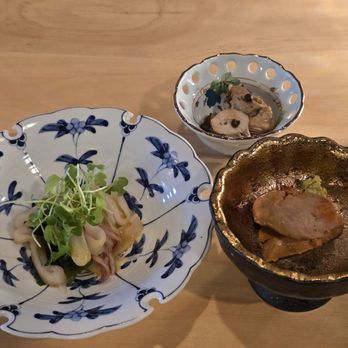


5 months ago
Our second time here for lunch and it's still 10/10! Love the minimalist, clean vibe and the staff are super on top of things. We had the Hibari and Kaisen don sets--the fish was super fresh and top-tier quality. Pro tip: Don't let the bowl size fool you. It looks a little small when it arrives, but it's actually very filling. The best part is how they finish the meal--pouring hot broth over the leftover rice to turn it into a savory tsukedon. It's so cozy and genius! Definitely coming back to see what else they add to the menu. read more


6 months ago
Very nice local addition to the neighborhood! As a long time Portola Valley resident, very glad to see the upgrade in our neighborhood sushi game. We had the Hibari Don Set and grilled cod saikyo miso for lunch. The preparation is simple and just right. The fish in the Hibari is perfect. The portion is on the small side, but everything was other wise great. Came here for lunch. Dinner reservations is a bit harder to get on weekends. The service is just right, attentive but not too over whelming. read more


5 months ago
We were so fortunate to experience the Mother's Day omakase. Outstanding! Beautifully presented dishes with unique and unexpected flavors and textures. Food as art. Impossible to decide which was my favorite. Service was impeccable and the ambience is serene and relaxed. What a gem in Portola Valley! We will absolutely be back for their regular menu offerings. read more
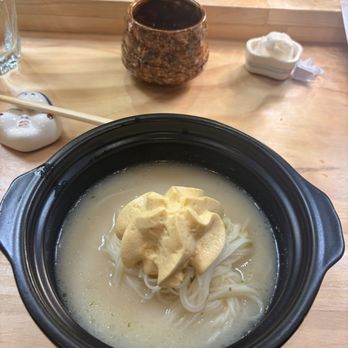


6 months ago
Hibari is a hidden gem in Portola Valley for high-quality, authentic Japanese comfort food. The atmosphere is serene and perfect for a focused, delicious meal. We ordered a few different dishes and everything was executed perfectly: * Salmon Don: The fish was incredibly fresh and buttery, served over perfectly cooked rice. * Miso Grilled Cod: This was the standout. The miso glaze had the right balance of sweet and savory, and the cod was flaky and moist. * Grilled Salmon: A classic done right--crispy skin and tender on the inside. read more



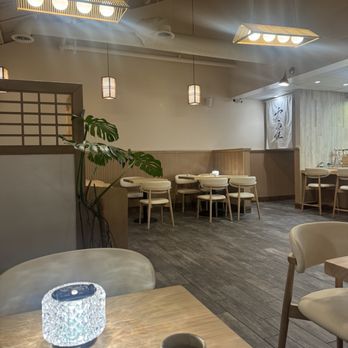
did the petit omakase two weeks ago. loved everything about it and can't wait to do the full omakase course next time. I hope I can bring my parents too, and try their lunch menu. the corn somen noodles were amazing, and the fish was unique and fresh. read more


3 months ago
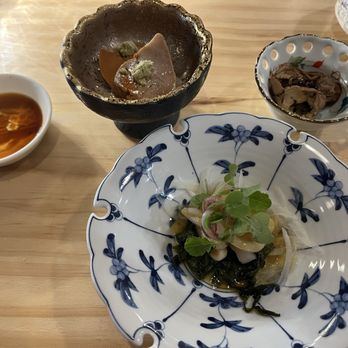
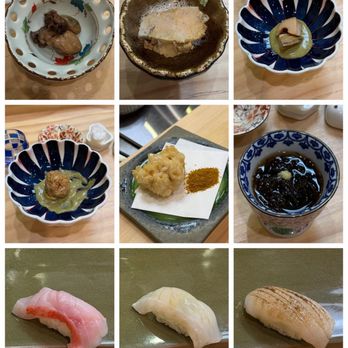
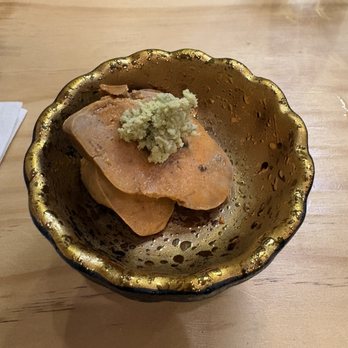
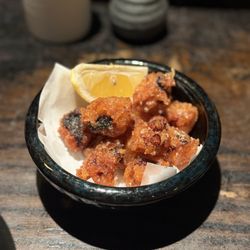
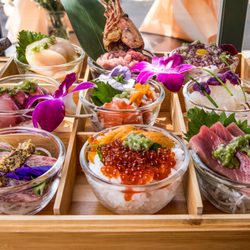
We visited Hibari for my son's birthday dinner yesterday. It was the first night they served Kappo omakase at tables. Besides nice service and ambiance, we really enjoyed the varieties of cooked food, desserts and all the tablewares. We will definitely come back for another special celebration dinner and try out the lunch menu!! Sharing some photos of our favorite dishes here - super tender braised cod fish, fried white fish, mini ikura uni rice bowl, shrimp with citrus sauce appetizer, squid salad, monkfish liver, smoke oyster combo, clams and sliced cucumbers with ponzu sauce, agar and churro desserts. Somehow the uploaded pictures are not in order. read more




7 months ago
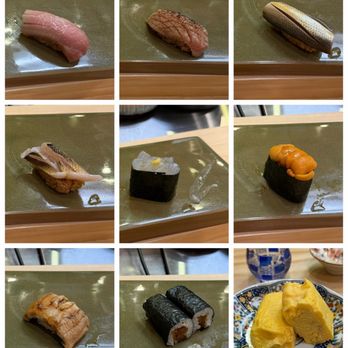
My husband and I had a date night at their nigiri omakase bar counter experience, and I can confidently say, you will not leave hungry! What a treat from Chef Taka. His knife skills, presentation, flavors, and conversation made the experience even more special. The menu featured a mix of ingredients sourced locally and from Japan, and we tried several dishes we had never had before. Everything was delicious - oishikatta desu! The staff provided great customer service, and it was fun getting to pick out our sake glass and a whistling tokkuri. Overall, it was a fantastic experience - gochisousama deshita! We will definitely be back for another date night and with friends. read more



1 month ago
my first omakase experience and i'm seriously impressed by how well-crafted, thoughtful, and unique the menu is! for $150, the 9-course kappo omakase is a steal and is carefully curated by chef taki, former head sushi chef of nobu palo alto! the cuts of fish were fresh, slightly sweet, and paired so well with the respective sauces and garnishes they came with. they hand-make all their soups and sauces here too, including a special shiso leaf tartar for their tempura. here you can really see they emphasize texture and how food feels in your mouth. i noticed that not only in their fish but also in the way they cut and cook their vegetables to disintegrate in your mouth in the best way ever. and special shoutout to their porcelain and dishware because wow it's so beautiful and artsy! i couldn't recommend this place more! read more


2 months ago
Business owner information

Hibari S.
Thank you for sharing your experience. We are concerned that there…

3 months ago
Service was good, but the sashimi was not freshly cut. I sat at the bar and watched the chef take out pre-cut sashimi from boxes. The sashimi pieces in this don tasted like rubber and had fishy smell read more


4 months ago
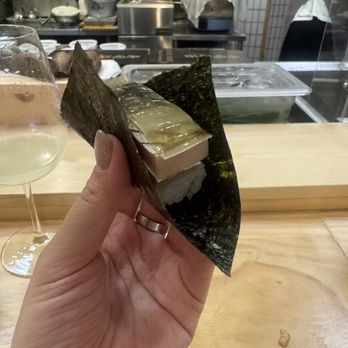
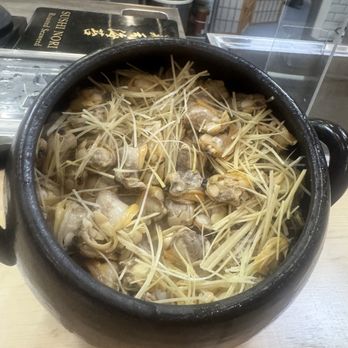
Best omakase in the Bay Area! Truly authentic Japanese omakase and this is my favorite place right now. I have been here twice within a month. And each time the food is quite different and super good. The chef here is very professional. Highly recommend and best place ever! read more





9 months ago
We got the Kaisen Don and the tekka Don (tuna) and hot green tea. Out of the two we really liked the Kaisendon and the sauce that they use for the Kaisendon. Service was really quick and friendly, they checked on us often and refilled our tea very consistently. We might come check out their omakase dinner. You can make reservations with them through ig, calling, or resy :) but there's also a couples option that you can currently only reserve through ig or calling in read more


9 months ago

4 months ago
The food here was amazing! The environment was very comfy as well. I went with my dad and we had gone for the kappo omakase, which I definitely would recommend! It's definitely different from the other omakase places I had in the bay where they focused mostly on nigiri. The service was phenomenal as well, chef Taka along with Jesse and Justin were very attentive! The stand out dishes were definitely the monkfish liver and the wagyu. Definitely would come back! read more


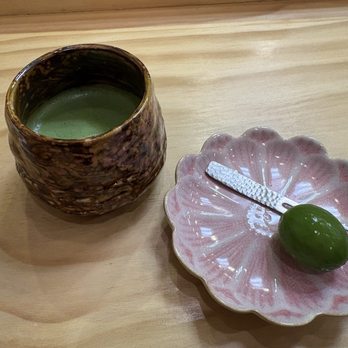



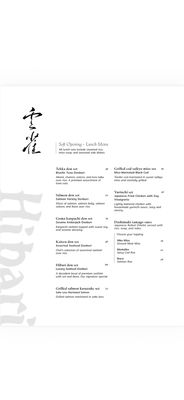
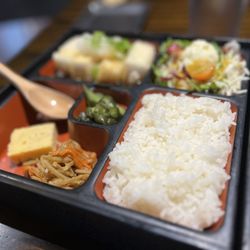
Soft Opening Success at Hibari! Stopped by Hibari for lunch during their soft opening and WOW... this place is already off to a strong start. I tried three of their lunch specials (yes, for research) and I was seriously impressed. First of all, their lunch sets are such a good deal -- every set comes with two mini side dishes, soup, rice, and your main entrée. Prices range from $18 (Yurinchi set) all the way up to $66 (Hibari Don set), so there's something for every mood and budget. Here's what I tried: - Grilled Cod Saikyo Miso Set - The fish was super smooth, light, and perfectly cooked. The miso flavor was subtle and not overpowering at all. So comforting and clean. - Goma Kampachi Don Set - If you love that nutty sesame flavor, this one is for you. They even grind the sesame in-house, and you can absolutely taste the difference. So rich and flavorful. - Dashimaki Tamago with Ikura Set - Think Asian-style scrambled eggs with caviar... but better. The eggs were fluffy and savory, and the ikura added the perfect pop of saltiness. You'll definitely leave feeling full, happy, and already planning your next visit. My suggestion? - Ask for their recommendations based on your taste buds OR - Be adventurous and order something you've never tried before Either way, you really can't go wrong. Hibari is already a solid lunch spot and I can't wait to come back and try more of the menu! read more


Page 1 of 4
More info about Hibari
3130 Alpine Rd
Ste 240
Portola Valley, CA 94028
Directions
(650) 656-9243
Call Now
Visit Website
https://hibariportolavalley.com
Hours
Payment methods
Food & Alcohol
Indoor Amenities
Outdoor Amenities
Other Amenities
From the Business
More Info
Health Score
Ask the Community - Hibari














Why does Yelp recommend reviews?
6 reviews that are not currently recommended
The reviews below are not factored into the business's overall star rating.

5 months ago
10 months ago

10 months ago

5 months ago
5 months ago


