Services - Hidden Valley Obedience Club
Private dog training
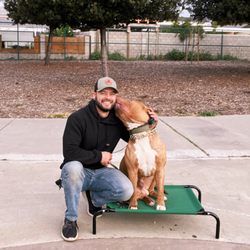
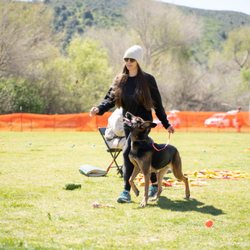
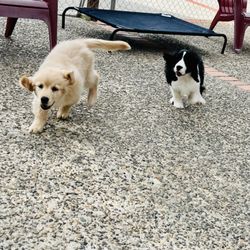
Hidden Valley Obedience Club Photos


You might also consider


More like Hidden Valley Obedience Club
Recommended Reviews - Hidden Valley Obedience Club
Start your review...



3 years ago

5 years ago

Our dog is good in so many ways, but we figured that as non-previous dog owners, we could use a helping hand. Not to mention, our dog is a little hyper and we wanted to learn how to calm him down. I chose Hidden Valley for many, many reasons. First, there are many levels of group classes that you can take, depending on the type of obedience training you dog needs. Second, they offer a discounted enrollment fee for shelter/rescue dogs ($50 total for an 8 week class). Third, they offer a workbook of the training exercises, so you can do the tasks at home with your dog long after the class is over. The enrollment process is all online. You pick your class, you pay through Paypal and that secures your spot in the class. Space is limited so make sure you secure your spot early!!! Classes are constantly ongoing. They only take off during the winter months because it gets really cold. The training grounds are located next door to Mayflower Dog Park, way out on Bear Valley Road in Escondido. The grounds are all grass, well-lit, and huge. It is perfect for dog training. Along with the main trainer, there are volunteers that help out too. EVERYONE is so patient and great with handling all the dogs. There are lots of hyper ones, dogs that just won't listen, and some shy ones too. But this group believes that any dog can be trained and they really make a believer out of you! If you dog is a super star and you want to train him/her for show classes, they have that too. There is really nothing that this school can do! Sign your dog up and get your pooch on the road to being a civil and classy pup! read more

7 years ago
We've had nothing but good experiences at HVOC. We take both our dogs, a one yr old GSD and a 5 month old Dane. The instructors have been knowledgeable and they work well with dogs that may need more space. I've been impressed with what my pups are learning and plan to continue to get them ready to show. read more

13 years ago

14 years ago

15 years ago

16 years ago
15 years ago
12 years ago

14 years ago
14 years ago

15 years ago
10 years ago
12 years ago
More info about Hidden Valley Obedience Club
Ask the Community - Hidden Valley Obedience Club
Review Highlights - Hidden Valley Obedience Club
You might also consider








Why does Yelp recommend reviews?
1 review that is not currently recommended
The reviews below are not factored into the business's overall star rating.
4 years ago


