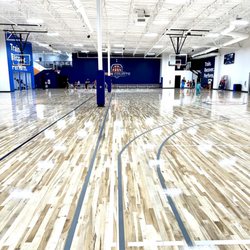
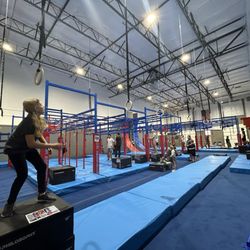
i9 Sports - Gilbert Photos


You might also consider


More like i9 Sports - Gilbert
Recommended Reviews - i9 Sports - Gilbert
Start your review...



3 years ago
4 years ago

3 years ago
Business owner information

Grant G.
HI, John. Sorry to hear your expectations were not met with your…


5 years ago
4 years ago
5 years ago


7 years ago

8 years ago
13 years ago
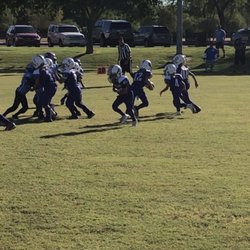
Easily the best flag football league in the east valley. I've coached my son in three leagues over 9 seasons and i9 doesn't have a close second. My son has done 2 seasons of basketball as well. As a parent, the league doesn't just encourage the coaches to let all kids play, it is built in to a system that the refs and opposing coaches can monitor. This makes the coaches actually coach their whole team rather than just feeding the superstar who has played from birth. Consequently, the teams are all more competitive. You will not see a 60-0 game. The league also stresses sportsmanship and provides a solid, cool looking medal to give out weekly. My kids love them and as a coach it gives me a chance to reward the effort that some of less athletic kids put in to the team. Schedules rarely change. Refs are better than most and there are always two per game. They are pretty consistent with what they choose to call. They also keep the games moving so late games aren't an hour behind. Which was a big problem at Thunder Alley. What parents might not see is their organization and tools for the coaches. We can email our whole team, update stats and even design plays with their website. When weather causes closures of fields they even have automated robo calls. They provide a football, a clipboard, a bag and all the jerseys and flags exactly when they say they will. At my last league, we had no flags for our first game and coaches bought everything themselves. My only complaints would be minor stuff. There is a diagonal field at one school where offsides always seems to be an issue. Their jerseys are large for the younger kids (up to 1-2nd grade)so they look more like gowns. Order smalls even if your kid is big. Also I wouldn't mind a tournament for the top teams rather than bowl games based on seeding. Although, when approached about it they did point out that parents and coaches got nuts during tourneys in the past and I left the last league after watching that happen so they're probably right about that too. read more


13 years ago
9 years ago
Business owner information
Grant G.
Hi Kally. I would like to correct a few statements that you made, so…
10 years ago

10 years ago

13 years ago
10 years ago
More info about i9 Sports - Gilbert
Gillbert, AZ 85142
Directions
(480) 664-4039
Call Now
Visit Website
http://www.i9sports.com
Hours
Outdoor Amenities
From the Business
Ask the Community - i9 Sports - Gilbert
You might also consider










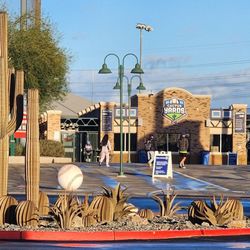


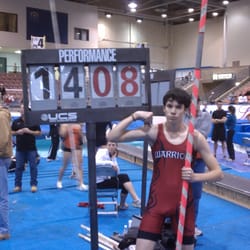

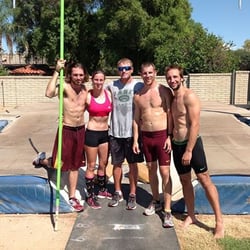

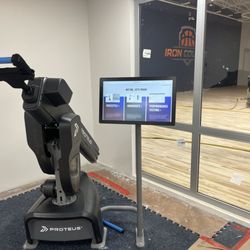



Why does Yelp recommend reviews?
1 review that is not currently recommended
The reviews below are not factored into the business's overall star rating.
9 years ago
i9 Sports - Gilbert - amateursportsteams - Updated September 2026
Best of Gillbert
People found i9 Sports - Gilbert by searching for…
Volleyball Clubs in Gillbert, AZ
Basketball Leagues in Gillbert, AZ
Youth Basketball in Gillbert, AZ
Basketball Camps in Gillbert, AZ
Open Gym Volleyball in Gillbert, AZ
Things to Do With Kids in Gillbert, AZ
Volleyball Lessons in Gillbert, AZ
Parks for Kids in Gillbert, AZ
Browse Nearby
BEST of Gillbert, Arizona Restaurants near i9 Sports - Gilbert
BEST of Gillbert, Arizona Things to Do near i9 Sports - Gilbert
BEST of Gillbert, Arizona Coffee near i9 Sports - Gilbert
BEST of Gillbert, Arizona Pickleball near i9 Sports - Gilbert
BEST of Gillbert, Arizona Amusement Parks near i9 Sports - Gilbert





