North Hollywood Photos


More like North Hollywood
Recommended Reviews - North Hollywood
Start your review...


Reviews With Photos


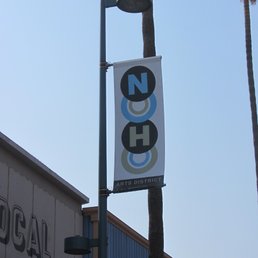
I'm a fan of North Hollywood also known by most as NoHo. It's a hub of culture, diversity, eats and treats for any an all. NoHo is a huge focal point in life in not just the San Fernando Valley, but a large portion of Los Angeles and all it has to offer... With sub communities and areas like the NoHo Arts District, NoHo West and some of the best night life around. From comedy clubs (HaHa off Lankershim) to themed bars like Tiki-No (tiki bar), The Federal (old timey -also good eats here), The Good Night (karaoke bar) or The Buller Bar (lgbtq+ leather bar) you can find something really adventurous to partake in. The restaurants are amazing as well: Gokoku Ramen, Lotus Vegan, NoHo Cafe, NoHo Dinner, Pitfire Pizza, Rodini Park and Salsa & Beer to name some of my personal favorites. You can even enjoy the vintage theater experience and see local play production, try out an escape room (Escape House LA or The Room) and/or even view a variety of films (classic or new) at the Laemmle 7. No matter what kind of experience you're looking for... You'll find it here... Parking maybe not as much... But North Hollywood also has a super solid public transportation system via the Metro Red and Orange lines not to much several connecting services... More than most cities you might venture to in Los Angeles. And like all good cities it's got it's rough spots and edges, but it's constantly improving where it can and making sure it's community feels heard and included.


3 months ago

3 years ago
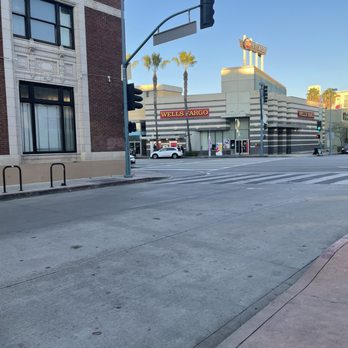
I think i Hit the Jackpot with parking today visiting Upscale LA, CA regions including 'NOHO,' but this was a second choice visit. I was going for a first time visit to a Crystal jewelry shop in Burbank, CA., but that store wasn't open for business, so instead, 'NOHO,' lucked out and earned my support here instead. It was such a smooth drive to North Hollywood, CA today as a local tourist. Any ways, I stumbled upon their Crystal Jewelry Shop and stocked up on more Crystals for my room's decorations. I barely found the jewelry shop last minute, so made it right before they closed earlier for New Year's Day/2024, 5pm. Phewwww. I'm Feelin' extremelyyyyy luckyyyy. read more


6 years ago
I'm a fan of North Hollywood also known by most as NoHo. It's a hub of culture, diversity, eats and treats for any an all. NoHo is a huge focal point in life in not just the San Fernando Valley, but a large portion of Los Angeles and all it has to offer... With sub communities and areas like the NoHo Arts District, NoHo West and some of the best night life around. From comedy clubs (HaHa off Lankershim) to themed bars like Tiki-No (tiki bar), The Federal (old timey -also good eats here), The Good Night (karaoke bar) or The Buller Bar (lgbtq+ leather bar) you can find something really adventurous to partake in. The restaurants are amazing as well: Gokoku Ramen, Lotus Vegan, NoHo Cafe, NoHo Dinner, Pitfire Pizza, Rodini Park and Salsa & Beer to name some of my personal favorites. You can even enjoy the vintage theater experience and see local play production, try out an escape room (Escape House LA or The Room) and/or even view a variety of films (classic or new) at the Laemmle 7. No matter what kind of experience you're looking for... You'll find it here... Parking maybe not as much... But North Hollywood also has a super solid public transportation system via the Metro Red and Orange lines not to much several connecting services... More than most cities you might venture to in Los Angeles. And like all good cities it's got it's rough spots and edges, but it's constantly improving where it can and making sure it's community feels heard and included. read more


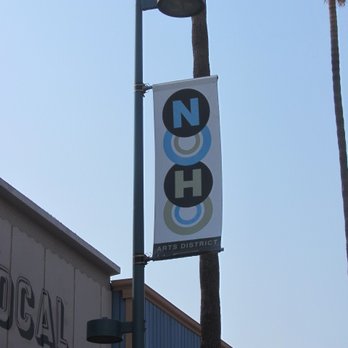
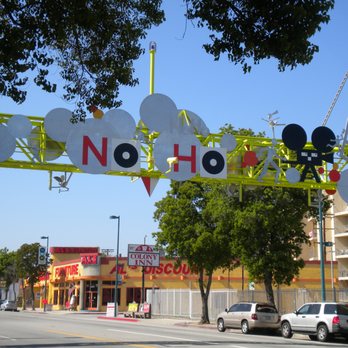
My celebratory 800 review goes to the place I call home for almost 18 years, the city of North Hollywood or NoHo. My husband picked it for us to live in because there are many places you can walk to and as an European, I'm used to that. I didn't want that let go. And walking is good for you, right? I still like it for it and luckily more places popped up in time that you can walk to, the whole area became more walkable, pedestrian friendly, but there's still more work to be done. North Hollywood has a bit of everything that's good about LA: nature, nice, quiet neighborhoods, a mix of houses and small apartment/condo buildings. But there are stores around, banks, restaurants, a post office, hair salons, a nice public library, small parks. And it's artsy, so there are cool theaters, art galleries, an art house theater. It has a subway stop (opened after I just moved here) that comes in handy. It's close to Burbank, Studio City, Sherman Oaks, Hollywood. It has many freeways around to get you all over LA. There are canyons and hiking trails close by. These are pluses. There are minuses too, the housing pieces are getting higher and higher. Cute houses are demolished and replaced with ugly condos, the architectural style they use doesn't match the older, Spanish style of the area. The history is demolished. So far, it doesn't help the housing problem, it's more and more expensive to live here. More artists leave, so we'll see about our future here. As everywhere else in the city, there are more and more homeless people, it is sad and we hope we can work together to create affordable housing for everyone. And safety in the area, also, keep NoHo safe. I love that there are more street fairs around, cool street festivals, we need more of that. I wish they wouldn't cut so many trees everywhere and preserve the greenery of the area. I love to walk its streets and it's sad to see old, small business go, because landlords get greedy. It's nice in LA to do errands on foot, have a mechanic and an auto shop within walking distance, your doctor, pharmacy. It makes life easier in the big city. Some of the new businesses and restaurants are decent, some not so much, and hope we'll be able to keep more chains away. Parking for the area is harder and we need more crosswalks. I love NoHo, as we locals call it. Or NoHo Arts District - a newish term. I hope it'll stay artsy and it'll improve, but preserve the spirit of the area, keep it unique. I hope I'll still call this place home. read more




3 years ago


10 years ago
More info about North Hollywood
Ask the Community - North Hollywood
Review Highlights - North Hollywood


















Why does Yelp recommend reviews?
1 review that is not currently recommended
The reviews below are not factored into the business's overall star rating.
2 years ago
North Hollywood - localflavor - Updated August 2026
Best of North Hollywood
People found North Hollywood by searching for…
Festivals and Fairs in North Hollywood, CA
Carnival in North Hollywood, CA
Attractions in North Hollywood, CA
Free Things to Do in North Hollywood, CA
Urban Exploration in North Hollywood, CA
Free Parking in North Hollywood, CA
Fun Things to Do at Night in North Hollywood, CA
Festivals in North Hollywood, CA
Public Art in North Hollywood, CA
Weird Attractions in North Hollywood, CA
Dungeon in North Hollywood, CA
Abandoned Buildings in North Hollywood, CA
What to Do in North Hollywood, CA
Scenic View in North Hollywood, CA
Trick or Treating in North Hollywood, CA
Places to Walk Around in North Hollywood, CA
Celebrity Hot Spots in North Hollywood, CA
Night View in North Hollywood, CA
Small Business in North Hollywood, CA
Pop Up Museum in North Hollywood, CA
Browse Nearby
BEST of North Hollywood, California Coffee near North Hollywood
BEST of North Hollywood, California Restaurants near North Hollywood
BEST of North Hollywood, California Things to Do near North Hollywood
BEST of North Hollywood, California Scenic Drive near North Hollywood
BEST of North Hollywood, California Arts & Entertainment near North Hollywood
BEST of North Hollywood, California Hotels near North Hollywood
BEST of North Hollywood, California Boston Cream Pie near North Hollywood
BEST of North Hollywood, California Sightseeing near North Hollywood
BEST of North Hollywood, California Day Trips near North Hollywood



