Threat Dynamics Photos


You might also consider


More like Threat Dynamics
Recommended Reviews - Threat Dynamics
Start your review...


Reviews With Photos


Had a weird experience at threat I talked with Ryan I'm pretty sure that was his name a few weeks ago. I came just to shoot my gun with my friend and he was very pushy on training and told me about the VR that isn't working so why even waste my time. The rest of the staff was very nice to us but I didn't need to feel like I had to buy a package or what felt like a credit card being shoved down my throat. I don't understand why being a girl makes others feel like they can't cheat us out of our time.


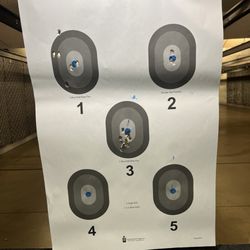
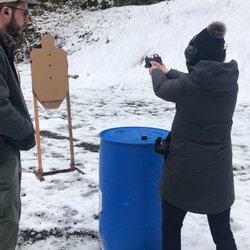
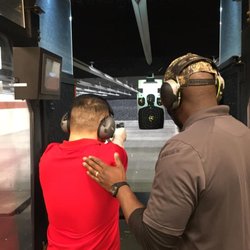
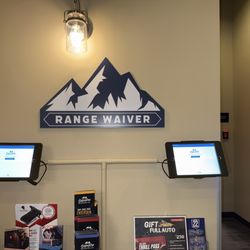
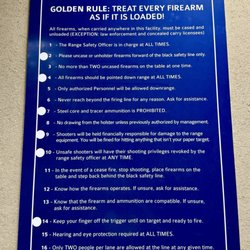
To start of, guns are dangerous and one must take great care in participating in in the activities here. Having said that, there are basically two parts to the TD. The first is a standard 20 yard range (8 or 9 lanes) and a VR simulation room. You can bring your own gun or rent the guns onsite. Ammunition is available for purchase and they are careful with how much ammunition is sold or brought in. Unfortunately, I was with a party of 18 guys. Half wanted to use the range and the other half wanted to use the VR. I am not too sure about the process for handling such a large party but they missed giving a safety protocols while at the live firing range. I did notice that they had some kind of Valentines Day special for couples where they provided everything necessary for using the range including a safety instruction for those who needed it. The instructors are really friendly and everyone had a great time.


10 years ago

8 years ago
6 years ago

8 years ago

9 years ago

12 years ago
Very welcoming environment that does a great job in teaching and enforcing safety while having fun. read more


10 years ago

10 years ago

9 years ago
6 years ago

9 years ago

11 years ago

9 years ago
6 years ago

12 years ago

9 years ago
8 years ago

9 years ago
9 years ago
10 years ago

11 years ago

11 years ago

9 years ago

11 years ago

9 years ago

8 years ago

11 years ago

11 years ago

8 years ago

9 years ago

11 years ago

11 years ago

9 years ago
7 years ago

11 years ago
10 years ago

12 years ago
12 years ago
12 years ago
12 years ago
More info about Threat Dynamics
13565 SW Tualatin Sherwood Rd
Ste 300
Sherwood, OR 97140
Directions
(503) 692-2992
Call Now
Visit Website
http://www.threatdynamics.com
Hours
Payment methods
Outdoor Amenities
Other Amenities
From the Business
Ask the Community - Threat Dynamics
Review Highlights - Threat Dynamics





















Why does Yelp recommend reviews?
151 reviews that are not currently recommended
The reviews below are not factored into the business's overall star rating.
10 years ago
7 years ago
10 years ago
8 years ago
9 years ago

8 years ago

8 years ago
9 years ago

8 years ago
9 years ago
10 years ago

9 years ago
9 years ago

8 years ago
3 years ago

10 years ago
11 years ago

11 years ago
5 years ago
8 years ago


