
Honey Badger Photos



HONEY BADGER ATMOSPHERE

You might also consider


More like Honey Badger
Recommended Reviews - Honey Badger
Start your review...


Reviews With Photos


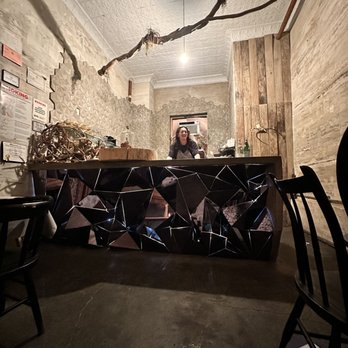
When you walk in, you're greeted by high ceilings and a ski lodge type interior. Fjolla seated us at our table and took our drink orders. They have interesting drinks they infuse themselves and have several non-alcoholic options. We were the first to arrive and I believe they only seat two tables at a time currently. Once the other table was settled our meals began. We started with the amuse of some tingling herb, cheese made of acorn and what looked like a pine cone covered in honey. Fjolla explained how we should eat it and let the herb sit on our tongue for about 30 seconds. Interesting and unique combination of flavors. Then we had cauliflower mushroom which was crunchy, savory and delicious. Each dish was plated delicately and came out relatively quickly. The stand out dishes for me were (1) whelk with a miso sauce, (2) smoked trout with crab and tempura/tenkasu (3) bone marrow ice cream and local honey. Overall service was fantastic and it was interesting to hear how they forage for their own ingredients. Also it was heartwarming to hear how they fed their elderly neighbors during the pandemic. I came hoping for a unique food experience and got that plus so much more. Come for the innovative food but leave feeling connected.


It wasn't looking like a great Christmas. Unable to visit my family for the first time in my life and in a city I've only called home for two years, things seemed foreign despite their familiarity. Presents didn't arrive on time. Zoom didn't replace family time. It was a bleak end to a bleak year. Then, on the 26th, I had the opportunity to take solace at Honey Badger. My partner and I were warmly ushered into a cabinesque structure lining the street in front of their establishment. On a silk curtain strung across the restaurant's windows played classic movies featuring New York skylines not seen since our grandparent's generation. Our feet and cabin were warmed quickly by the provided heaters. No sooner had we sat down when our waiter, who also happened to own the restaurant along with his amazing partner and their daughter, brought us a pallet cleanser that was aptly described as wild; the spilanthes plant. Used by Native Americans to cure toothaches, the plant has a mild anesthetic effect, almost like a tingle on your tongue. The curiosity of this plant was a foreshadowing of the delights to follow. Each course we had built upon the last. Inside our well-built yet makeshift abode, we dined on roast duck, oysters, fish baked in coconuts, and chestnut soup. I'm a simple guy. A home cook meal is almost always preferred to a fine dining establishment. And yet the meal spoke to me in a way I've never experienced. Perhaps it is because I'm an aspiring outdoorsman (and because Honey Badger sources everything from local foragers and farms). Perhaps it's because it's Christmas. Whatever the reason, somehow, sitting in that tiny little cabin with my gorgeous girlfriend, having carefully constructed course after course described in elegant details made this stranger in a strange land feel like he was home, if only for a meal.


Excellent meal--very unusual. The staff was very friendly and we were well taken care of. All or almost all of their food is foraged or sourced locally and they do a lot of fermenting on their own. Many unusual tastes I hadn't experienced before from the tasting menu: chestnut purée, algae aioli, pheasant mousse, toothache plant, baby stinging nettles, and water buffalo cream. I enjoyed every dish. We also got the drink pairings and they were an adventure as well. The wines were not that great in my opinion but I know nothing about wine so don't trust me. The cocktails were fabulous. What a delicious experience! Loved it. Note: their menu changes from day to day depending on what is brought in. We were in one of the outside cabins during Covid times and felt very safe.
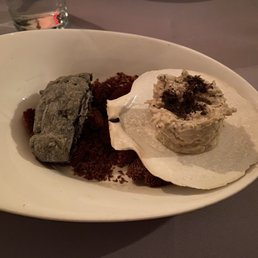

1. We went for Valentine's Day. After booking about a month in advance, they sent out a short notice less than a week in advance of a much higher cost for Valentine's... which was rather rude since it didn't leave much time to change any plans and most restaurants were fully booked. We were also asked for our names for personalized menus that were never seen from the time we entered the building to the time we left. 2. The health inspector did interrupt their night which was the excuse for everything, and I understand that it was the worst time for that to happen, but everything was late. Our sitting at 8 ended up being around 4 hours, and food courses had wayyy too much time in between them. 3. The food... Lacking, there was much to be desired. It was all plated in a very messy unpolished way. You could tell they used expensive well sourced ingredients, uni, sea snail caviar, sea truffle, and they were also passionate about them, but the dishes were small, not well balanced, and honestly I left after a four hour sitting and not one dish I would ever order again. Not one. Nothing on the menu could be described as delicious, and I'm a very adventurous eater. We left hungry. We even made plans to get burgers post sitting. Even the tables next to us struck up a conversation about what they were going to eat after (pizza was on the menu for the table next to us and then left over chicken for the couple next to them) It was a disaster. Conclusion, all in all, unique concept. Great ingredients. Passionate people. I wanted to like this so much... but, it really ruined the night for us. Terrible execution. Wouldn't recommend to anyone.


This was hands-down one of the best dining experiences that I've had in my life. The hospitality, presentation, flavors, and ambiance are unmatched. The husband and wife cook and present every dish themselves along with the help of one amazing employee. The food is rich in flavor given that their hunters and foragers bring everything from the wild. Their menu is crafted on a daily basis depending on what gets dropped off so I'll be returning soon and seeing what else they put together

Amidst the backdrop of Hurricane Henri, our group of five were blown away, not by the wind and rain, but by the incredible experience we had at Honey Badger (HB). We had our own quaint outdoor chalet complete with music, fan, air purifier, plexiglass windows and tree branches weaved into the ceiling that miraculously kept us dry despite the record breaking deluge outside our little sanctuary. I arrived without reading reviews or descriptions of the cuisine. I was only told Brooklyn and "wild-to-table" so I was intrigued, yet a bit wary. If your expectations are set for large portions or a formal Michelin-star experience, then HB may not be your jam. I've enjoyed many meals at those restaurants, but they are like the symphony of fine dining, whereas HB has the flare and improvisation of a jazz performance - both are amazing in their own way. Husband and wife team Junayd Juman and Fjolla Sheholli immediately set the tone with their warmth, enthusiasm, knowledge and what they described as a palate "opener." The spilanthes flower bud had us all wondering what could possibly come next as our salivary glands kicked into overdrive. The sensation was so novel that I delayed eating the other parts of the amuse-bouche to let the party in my mouth continue for a few minutes longer. We were delighted by what seemed like a torrent of a dozen different courses that included Montauk oysters underneath a glass dome filled with juniper smoke that filled our cabin with a lovely aroma when unveiled. We also had acorn cheese with wild berries, cucumbers and olive oil made by Fjolla's family, seaweed taco, scallop carpaccio underneath squash blossom, truffle with mushroom, squid, sea bass, egg from traveling chickens and many other unique and wild ingredients combined in a bold, yet delightful way. The pace was never too slow and at times, it was the opposite as several courses were presented in unison. My description doesn't do the cuisine justice as my mind was racing to keep up with the flurry of new items we were introduced to. Even with a menu, it would be impossible for me to fully appreciate the thought and creativity weaved into every dish. HB has built a loyal network of local foragers and fisherman who drop off their discoveries to create daily surprises that are then deftly prepared at HB. This is where Fjolla's childhood in Kosovo, Junayd's Trinidadian heritage, their exposure to Italian, French and Asian cuisine, their expanding knowledge of techniques and recipes forgotten or lost over the generations are all combined with wild ingredients, some of which are preserved and stored at HB, to create a truly inspired and memorable dining experience. We were in awe the entire meal, and eagerly awaited each course. Drink pairings were interspersed, and also had unique backstories - fermented drinks made at the restaurant inspired by Native American traditions, tiny strawberries the size of blueberries used in a cocktail, biodynamic white wine, and touching personal stories about the winemakers. Somehow Fjolla & Junayd found plenty of time to talk with us despite being a team of 3!?! at the restaurant. I can't forget their daughter Nina who played DJ for the night. They regaled us with their love of the virtues and health benefits of wild ingredients, as well their efforts to support their local Brooklyn community. As if the tireless work foraging, operating the restaurant and raising their daughter aren't enough, their hearts still have compassion to rally neighbors and farmers to prepare meals for 60+ elderly members of the community that were literally starving at the depths of the pandemic. I believe HB also opens its space during the day to local vendors to sell their goods. What an incredible team who are innovating, and yet humble as they are constantly learning about the infinite treasures nature offers. They also maintain a boundless optimism and energy despite the pandemic headwinds that no doubt have impacted them as well, but they somehow turn it all into a positive. If it hasn't happened already, it's only a matter of time before New Yorkers, and people in the US and abroad, are clamoring to experience the magic and movement Fjolla and Junayd are creating at Honey Badger that leaves a positive impression that lasts far beyond the few hours spent at the restaurant. Everything about HB is special. I can't wait to return to support this under the radar gem. As if on cue at the end of our experience, two mushrooms opened up just outside our parklet, although I'm not sure they were the edible type ; ) Oh, the wonders of nature!
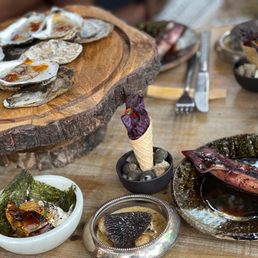

A hidden gem is Brooklyn that everyone should experience! I can't wait to return!!! The displays are very extravagant avant-garde! The service was great! I highly recommend sitting in one of their cozy tree houses! ENJOY!!
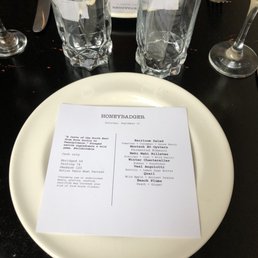

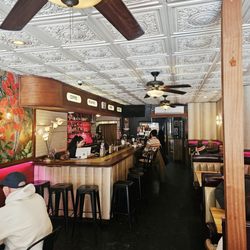
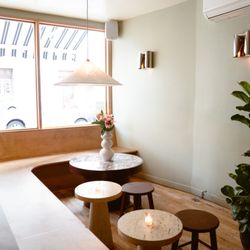
My boyfriend stumbled upon Honey Badger because it happened to be near Kings Theater. Thought we'd get a bite before our concert. All I can say is WHAT A GEM. It's the cutest, minimalistic restaurant, with serene woodland decor. The drink menu is small but that's all you need. I had a sav blanc, he had a raki: you know, that super strong booze they make in the Balkans. Everything here is made from foraged products. A co-owner was our server: he was beyond cool, super informative, and made us feel like we were clued in on all the secrets of the restaurant. It was a dining experience. Tasting menus are the only offering, so be ready. We got the shortened version of the menu: 3 dishes for $54. It included an app, entree and dessert. Everything was made with love. Sounds trite but it's true. The chef/co-owner is from Kosovo, and everything that came out felt like it came from her kitchen, but at the same time from the bowels of an ultra high end, fine dining kitchen on the Lower East Side. The food was beautiful, experiential (at one point we were asked to eat a plant that made our mouths vibrate), and delicious.


This is probably the first fine restaurant in this neighborhood. Very relaxed, atmosphere, and the interior somewhat reminded me of ABC carpet. Open kitchen and friendly staff. Food is visually very beautiful and fresh. Chef changes menu every other week or so, depending on what They get in local market. All seasonal ingredients. Taste delicate. If you care more of fine taste rather than portion, this great place to be. I would love to try their brunch!


Great little hole in the wall! I love the vibe and the owners are sweet and personable; you can tell they put a lot of love into their food and their restaurant. My boyfriend and I went there for dinner and it was AMAZING! We tried several different dishes and we loved all of them! Some of my favorites were the baby brussel sprouts, the mushroom dish, and the pasta. The dessert was also great! We had a blackberry gel, kind of like a sorbet, as a palate cleanser. And for the main dessert we had ice cream topped with lava sugar and this amazingly sweet pastry. It's too expensive for me to go regularly, but if I could afford it I'd be here every weekend! Can't wait to try their brunch menu!


9 years ago

8 years ago
9 years ago
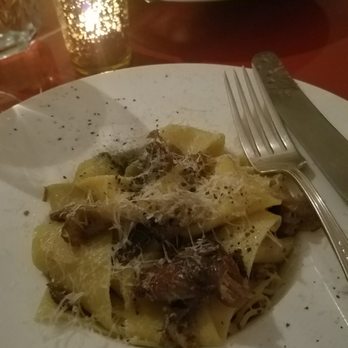
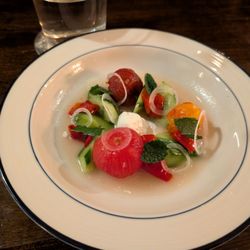
My boyfriend and best friend planned this spot for my surprise birthday evening - it was perfect. The place was cozy and comfortable, with really simple yet warm interiors while the blizzard went on outside. I was treated to wine on the house, which was already a great start! My bf/bff chose the full tasting menu for me which started with a beet and radish salad - so fresh! - then cockles that were plated so carefully we had to take a few photos. Followed by very interesting flavors on a sea shell, especially the flower bud which they warned would be a 'sensory experience' and it completely was. The pasta and duck was my favorite dish - it was cooked to perfection, both tender and savory. My friend had the pasta and octopus (pescatarian alternative) and she liked it just as much. Almond cake dessert was also lovely. Overall I'd highly recommend this Brooklyn gem of a restaurant, especially the taste menu! read more

9 years ago
9 years ago
9 years ago
8 years ago
9 years ago
9 years ago
10 years ago
More info about Honey Badger
Ask the Community - Honey Badger
Is this place good for vegetarians? Given that the menu changes daily, do they try to accommodate vegetarians on some /most nights?
Yes, they accommodate vegetarians, and even vegans. You should probably tell them first, because everything they do is on such a small scale, so with advanced notice they can make plans. They're very outgoing and open during service, so ask away.
Review Highlights - Honey Badger
You might also consider


















Why does Yelp recommend reviews?
23 reviews that are not currently recommended
The reviews below are not factored into the business's overall star rating.

7 years ago

9 years ago
2 years ago
5 months ago
9 years ago
9 years ago

9 years ago

9 years ago

9 years ago

9 years ago

7 years ago

9 years ago
9 years ago

9 years ago

9 years ago

9 years ago

9 years ago

9 years ago
9 years ago

9 years ago


