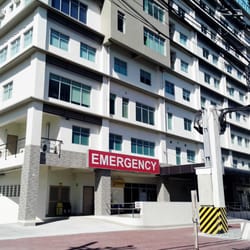
My father was admitted to Perpetual Help Medical Center Biñan and, sadly, passed away during his…read morestay. I'm sharing this with the hope that it leads to improvements in patient care, especially for the elderly and critically ill.
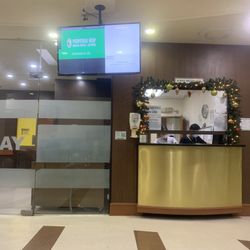
From the start, we noticed areas that could be improved. The waiting room was uncomfortable, with no fan, a broken TV, and limited parking. During one particularly emotional evening, I went to the chapel at night to pray, seeking comfort--but was constantly interrupted by repeated "code blue" announcements coming from various areas of the hospital. It was emotionally overwhelming and added to the heavy atmosphere already surrounding our family.
The ICU visitation policy allowed only one hour per day (10-11 AM). While I understand the need for controlled access, this time frame can be difficult for working family members. There were only two gowns available for use, and the hand sanitizer outside the ICU was empty at one point--raising concerns about infection control. Policies on photo restrictions were enforced, but other important safety measures felt inconsistently applied.
Communication with the medical team was also a concern. Updates were sometimes given in public areas, including the waiting room, with non-family members present--raising privacy issues. Medical decisions were difficult to navigate. We agreed to a ferrous infusion for low hemoglobin, but only learned after it was administered that it could take weeks or months to be effective. We also signed a waiver for a B Positive +3 blood transfusion, thinking it was urgent, only to find out there was a delay due to crossmatching that had not yet begun. Eventually, we were informed--without prior notice--that our father was undergoing CPR. The lack of communication during such critical moments was incredibly distressing.
After his passing, we observed hospital staff talking and laughing casually near the ICU, which felt inappropriate and painful to witness. Additionally, he developed a pressure wound on his nose, which appeared to result from an improperly fitted BiPAP mask.
To be fair, the cardiologist on his case provided clear, compassionate, and professional care, which we sincerely appreciated. Her communication stood out positively amid an otherwise difficult experience.
We later learned that this hospital serves as a training institution, and while we understand the importance of teaching hospitals, we sincerely hope that patient care remains under proper supervision and with full transparency.
This experience has left our family grieving and disheartened. We share this feedback in the hope that it encourages improvements in care, communication, and respect for patients and their families. Every patient deserves dignity, and every family deserves to feel supported during the most difficult times.