Teanamu Chaya Teahouse Photos


Recommended Reviews - Teanamu Chaya Teahouse
Start your review...


If there was ever a place to encourage the love of tea in London, this is it. Don't be dissuaded by what seems like an odd location, as it is set back in a Notting Hill neighborhood, in what looks like a residential home. I personally think the location adds to the relaxation of the experience, as you're not watching people run up and down on the high street or dealing with the crowds that come with that kind of location. Pei who runs this lovely tea house(open on Saturdays & Sundays 12-6pm) is incredibly friendly and helpful. The decor is gorgeous, with elegantly worn furnishings and gongfu tea ceremony accoutrements at every table. The music is also low and very soothing and adds to the ambiance without being distracting. There is a excellent selection of teas from Japanese and Chinese greens to both black and green pu erh, and a really fantastic selection of oolongs. He also offers a list of tisanes that can be added to the tea for extra flavouring, such as rose, osmanthus, or longan fruit. I sampled two oolongs, the honey orchid phoenix and the lishan. Both were very smooth with lovely mouth feel. As a side note, each table has a little card explaining the steps in gongfu tea preparation, and I think that is such a nice way to introduce people to a different style of tea prep. I was also being a little slow today and I was holding the yixing pot in a way which limited the flow of tea, and Pei saw me struggling, and corrected the mistake and showed me how to do it, without making me feel stupid or embarrassed. That, I appreciate so much! The food on offer is going to change weekly as he tries out new things, but our glutinous rice parcels and vegetarian dumplings were brilliant, savoury and filling, and our clementine almond cake was moist and fluffy and delicious. My friend I both had a pot of tea, 2 savoury plates and one sweet item, and our bill came to 11.50 each. Which I think is an amazing price considering how delicious and well made everything was. Individual pots of tea run between £3.50-4.50, and individual sweet and savoury items are around £2-3. My suggestion is to use the website form to make a reservation, as the space is on the small side, and you know you want the best service and experience possible. So book in advance and be so incredibly happy you did. also, I was so inspired by my experience today I came home and busted out my own gong fu set that has sat unused on my mantle since it came home with me from Hong Kong. It's now been dusted off and I am currently enjoying a lovely cup of genmaicha. read more

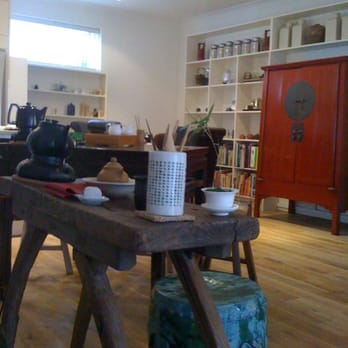

Amazing place to be on a wet windy nasty Sunday afternoon. I was introduced to this place by a number of friends who swear by having high tea in an alternative environment Teanamu is highly highly unassuming, and it's barely visible from the main street. From the website, you're not really sure what kind of experience you're getting into, but when you sit down, you realize that Pei (the tea "sommelier") knows exactly what he's talking about and about the teas that he has on his menu. First thing, you decide on which "set" of food and drink you really want... I definitely recommend just going with the full Wabi Set, which is only £13, and comes with 2 savory foods, and all the sweets available. Then you select the type of tea you're looking to have during the experience. He has a full range of Green, Red, Black and Herbal teas. I went with the Pu'er tea, and was distinctly instructed on how best to brew it. Pei is from my hometown and loves to cater to your needs. It's like walking into a Prix Fixe tea place, where you don't get a choice of food, but it doesn't really matter. We started with some soba with a great asian paste, cucumbers and shoots. That and the combination of the "lo mai fan" - glutinous rice in pandan leaves is just about as delicious as I remember from home. The fact that you're in his home really makes it a great time especially if you come with friends, since he treats you just like one from the first time you walk in the door, until the second you disappear from the living room. You then move to the sweets, and I confess, I love macaroons and a good scone with clotted cream, but man, his home made macaroons make La Duree taste like they're bought from a Tesco. AMAZING. Will I go back? I will definitely come back, maybe even next week. DELICIOUS! Try now, because you ain't gonna have anything else like this in London. read more



11 years ago
This chinese Teahouse is doing an amazing afternoon tea, probably the best I had in London. Everything centres around traditional tea ceremony which adds to the experience. Food is delicious and really feeling (portions do look small, but you will savour every bite). The house is far away from the crowd and its atmosphere really encourage you to be silent and savour. I left the place with a full tummy and a sense of relaxation. Bookings needed. read more


16 years ago

11 years ago
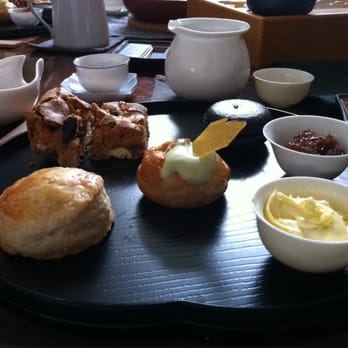
I absolutely loved my experience here. Not only was it incredibly unique, but it also left me and my stomach feeling perfectly content - which I find is a rarity among most afternoon teas. **Note: Normally I don't write such long reviews, but I thought my amazing experience here merited one - I didn't know how else I could capture just how wonderful this place is. If you want a short summary: The tea, food, and service here is incredible. You will not be disappointed. My friend and I made a reservation to come here at 12 pm on a Sunday and we had planned to get to Notting Hill sufficiently early after hearing that the place itself can be difficult to find. I can definitely see how that could be true, but we followed the directions on the website and it wasn't too challenging. Anyway, we were the first ones there and upon entering the teahouse we were quite surprised to find that we had wandered into the living room/kitchen of an actual home. The place was pretty homey in that sense, which I came to like more and more as time passed. There were only 4 tables, and the kitchen was open for us to see. After being seated, Pei (the owner) came by to ask us what kind of tea we wanted. My friend and I weren't the biggest tea connoisseurs and so (especially because there were so many choices; there are little card descriptions, though, which was really nice) we asked for Pei's recommendations. I ended up going for the Honey Oolong (I think that's what it was called) as part of the full afternoon tea set (~30 pounds). Within minutes Pei came back with our tea. He showed us exactly how to prepare it - which I definitely appreciated since I would've never figured it out on my own. The process is a lot more intricate than I ever expected, but I guess the effort paid off because the tea (especially by the 3rd brew) was phenomenal. Onto the food - I can't describe how much I loved all of it (well, except for one item that I'll discuss later). I loved the open-faced sandwiches - the bread, the spread, and the topping on each one were phenomenal (although I got a second cucumber one because I'm not a fan of egg mayonnaise). The sticky rice in lotus parcel and dumplings - the dim sum part - were amazing too and were clearly prepared with care. The dumplings, paired with the sauce, were probably the best I've ever had, which is a lot to say considering I grew up in a Chinese household in a super Asian community. And oh my goodness, the dessert. The dessert platter consisted of 5 items - a scone, mango seed cake, a guava pastry coated in marzipan, hazelnut coconut chocolate truffles, and a honeycomb treat. My favorite was definitely the truffles, followed by the guava marzipan pastry, the mango seed cake, and the scone. I didn't quite like the honeycomb treat though - it was a bit too sticky-sweet for me. Even so, I absolutely loved everything else and was felt genuinely sad upon taking my last bite for each. Overall, I HIGHLY recommend this place if you're looking for a more unique "afternoon tea" experience. It's less sweet than most, which I appreciated because the last time I had stereotypical high tea, I felt sick afterward from consuming so much sugar. I thought the high tea here was the perfect balance between sweet and savory, and on top of that it was also relatively light. The ambience was great as well, and the service was phenomenal. I will definitely try to come back before leaving London. read more


14 years ago

16 years ago

11 years ago

16 years ago