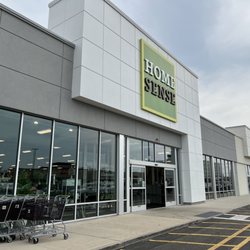
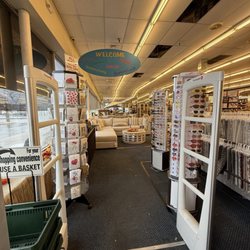
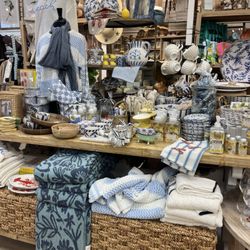
Hobby Lobby Photos


You might also consider


More like Hobby Lobby
Recommended Reviews - Hobby Lobby
Start your review...


Reviews With Photos


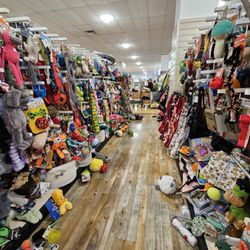
Michaels has competition again after the loss of Joanns and AC Moore here in LI. Hobby Lobby is huge and fills a big need. DD needed fabric for her craft project and was able to find some. Unfortunately, they were either short staffed and had no one working in the department. We waited a while and the service bell was busted so we left. For scrapbooking, their stickers are decently priced and of course always better when on sale. There is a large selection of merchandise throughout the store, a lot of seasonal and religious items. We found ourselves making a wrong turn into the parking lot (into Whole Foods) but the parking lots are not connected so had to come out and make the correct turn. If someone is looking for a job, I think they can use your help (that is if they're hiring).


I love Hobby Lobby! I've haven't shopped here in a long time. They always have amazing products at great prices. Staff was very helpful when I needed assistance looking for some items. I have to come back to visit soon.


2 months ago
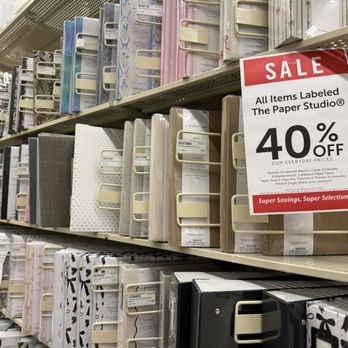
I got excited when I heard about this new crafty minds home. Ran right after work and boy, the place is huge. It has everything on every crafters list. I need more time to explore so definitely coming back. It already put on display their coming fall season merchandise even Christmas decorations are all out. So for today, I got all my current project needs and all are in 40 % sale. See you soon again Hobby Lobby. read more


1 month ago

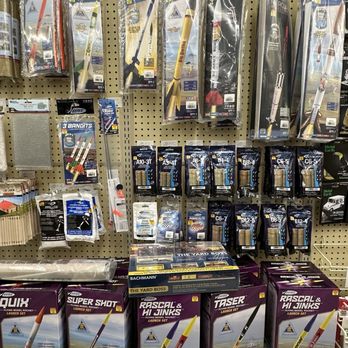
It's good to see the string of Hobby Lobby(s) marching across Long Island. This is the 5th one on the Island by my count and the one currently closest to me, so that I no longer have to drive out to Massapequa, Commack or Bay Shore to pick up hobby supplies. Forget about the one out in Riverhead. My current hobbies are building scale plastic model and flying model rockets. These are in one aisle that I make a beeline for when I come to the store. The selection is not great, but adequate. The plastic models go on 40% off sales a few times a year and the model rockets & supplies are usually discounted 30% off MSRP. I wait for the annual clearance sale, when they knock off as much as 75% from the already discounted prices. There are also items in the clearance area with prices slashed as much as 90%. Those are usually junky, returned merchandise or damaged goods, but if you have the time to browse through there, you might come up with some gems on occasion. read more

16 days ago

Michaels has competition again after the loss of Joanns and AC Moore here in LI. Hobby Lobby is huge and fills a big need. DD needed fabric for her craft project and was able to find some. Unfortunately, they were either short staffed and had no one working in the department. We waited a while and the service bell was busted so we left. For scrapbooking, their stickers are decently priced and of course always better when on sale. There is a large selection of merchandise throughout the store, a lot of seasonal and religious items. We found ourselves making a wrong turn into the parking lot (into Whole Foods) but the parking lots are not connected so had to come out and make the correct turn. If someone is looking for a job, I think they can use your help (that is if they're hiring). read more


I love Hobby Lobby! I've haven't shopped here in a long time. They always have amazing products at great prices. Staff was very helpful when I needed assistance looking for some items. I have to come back to visit soon. read more


8 months ago

1 year ago
I am happy that a Hobby Lobby opened up and visited it recently. It takes extremely long to check out, not the cashiers' fault, but this place doesn't not have scanner to get items' prices, cashiers type it out to populate on their screen..I had to remind the cashier about a discounted item, then she/he checked against a piece of paper listing discounted items, then entered the discount. If the store uses the modern way to scan the item's barcode, and have all the prices/discounted prices in the system, both cashiers and customers would have a much better time here. read more