
Order Prison City Pub & Brewery Takeout or Delivery
Prison City Pub & Brewery Photos
Business Info
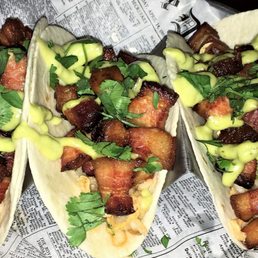
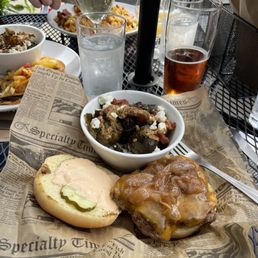


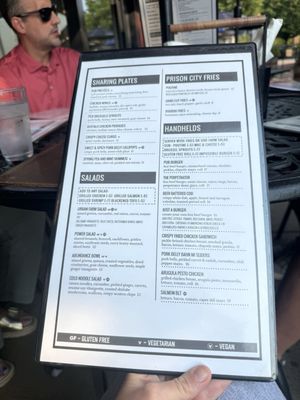
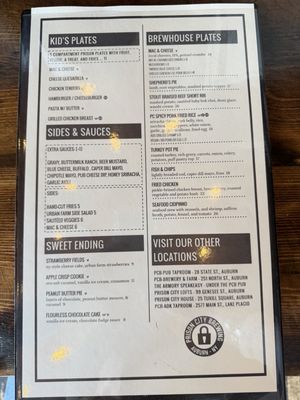


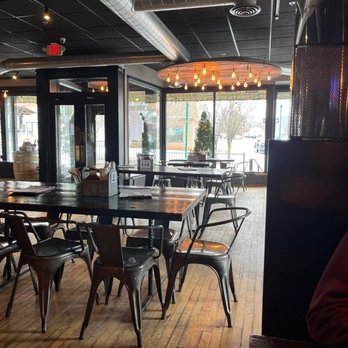
PRISON CITY PUB & BREWERY ATMOSPHERE


You might also consider


More like Prison City Pub & Brewery
Recommended Reviews - Prison City Pub & Brewery
Start your review...


Reviews With Photos
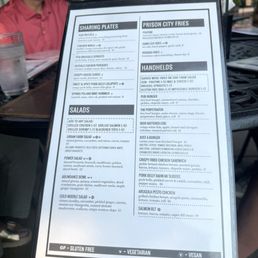

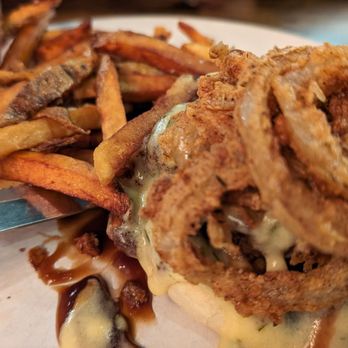
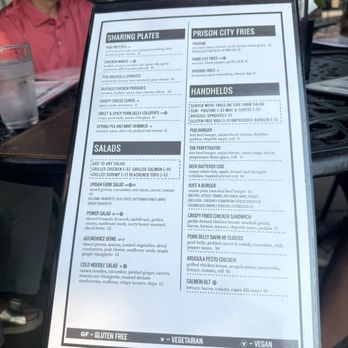
100/10 no notes between the drinks and the food I had a great time!! The poutine was absolutely delicious, and our server was very sweet and friendly. I wish I could remember her name because she was simply amazing. If I'm back in the area I would love to come back here


Sometimes you go to a place just looking for good beer, but you also end up finding amazing food. We started with an IPA flight that was delicious.Then we saw curry mussels on the menu. Interesting combination of flavors and it was delicious. Wonderful visit for food and beer! Our bartender also gave us helpful information for our travels.
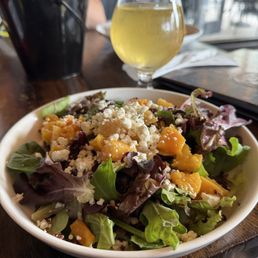

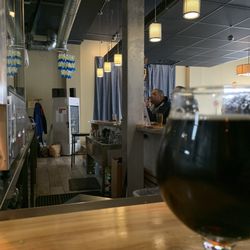
The ambience is a mix of pub and restaurant -- lively but comfortable. The staff, from the hostess stand to the bartender and servers, were all kind and hardworking. We had a group of twelve, and about seven of us really enjoyed our entrees. The macaroni dish, fried chicken, and salads were the favorites of the night. I'm a bit tough on fried chicken (being from the Deep South!), and while it was a little too salty and the skin crispier than I prefer, two others at the table thought it was great. Thank you, Prison City, for a fun evening with my lady friends!
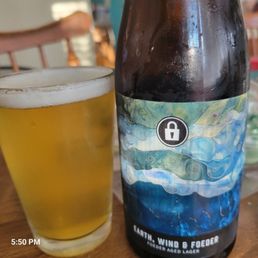

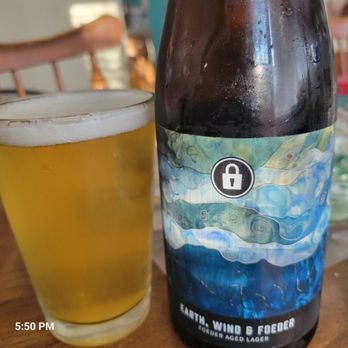
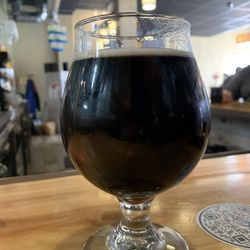
Long have I seen Prison City Brewery as I do my brewery researching but never actually strived for trying them. There were so many options to try for years I guess. But as time has passed it's thinned out as my check list is vast and a lot of breweries are closing due to industry challenges and headaches. So it was time for Prison City. We had the Earth, Wind & Foeder which is a lager. It was pretty good, no complaints. Perhaps lacking just a tad in personality but not enough to ward away. Flavor highlights with this beer are hoppy, crisp, balanced and subtle which is maybe where I had the idea of the personality comment without realizing at the time it was purposeful. Also the beer is very light bodied like a light lager should be.


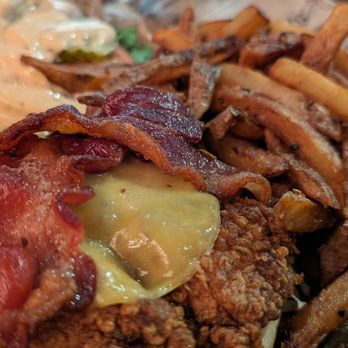
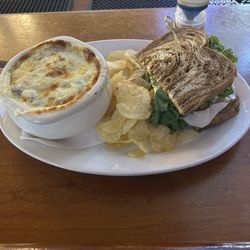
Sat outside on a warm but breezy day. Table was a bit slanted soda kept sliding across but we managed. The poutine with beer glazed pork belly was the bomb and I would order and eat it again and again and again.. but I digress. I had the crispy chicken sandwich which was missing the smoked Gouda but tasty nonetheless. My dining partner got the arugula pesto chicken. We thought there would be arugula on it but the pesto is made with arugula. Waitress brought out a bowl of arugula for him which was very nice since we misunderstood. Warm lettuce is not our thing. Waitress was very attentive and drinks remained filled throughout! If in the area we would stop in again.


Very good lunch with colleagues. All of us enjoyed our bowls as they were filling yet not the kind of meal that sticks in your belly the rest of the day. Each one of us went in a "different" bowl direction. My bowl of choice was the "abundance bowl". This bowl includes. mixed greens, quinoa, roasted vegetables, dried cranberries, goat cheese, and sunflower seeds on a maple vinaigrette. While the bowl was loaded with a lot of mixed greens, it was pretty light on all the other ingredients. Really enjoyed the maple vinaigrette. To make this a better salad more of the "other items" beyond the mixed greens would make it excellent.


I saw they were having a special Octoberfest menu so my friend and I decided to go for lunch. We shared an appetizer of fried pierogies filled with delicious sauerkraut and served with sour cream. They were crispy, hot and full of nicely cooked sauerkraut. My friend had a Schweinebraten- slow braised pork with red cabbage, mashed potatoes and gravy. She said it was fall apart tender and everything was seasoned well and tasty. I love sausage so I had a platter with 3 different sausage, red cabbage, sauerkraut and spaetzle. Everything tasted very good, but my only issue was that all the items were piled up and the grainy mustard that I didn't care for was all over the top of everything. I had no idea they were going to spread it on top or I would have asked for it on the side. I cleared the mustard off as best I could and brought most of it home for my husband. (This was not a sandwich or salad so I didn't expect the condiment to be served over all the food). I tasted everything on the plate and the food was very good, this was merely a matter of my not liking the mustard. Next time I will ask. Our server was excellent, giving us time to choose our drinks and food, checking in with us and splitting our checks. I am not an IPA drinker, but their Mass Riot is light , crisp and outstanding. They have outdoor seating and it was a beautiful day.


Visiting the area and needed to find a place to eat on a Sunday evening. The kitchen is open until 8pm on Sundays. Our server, James was absolutely delightful!! He was so attentive and went out of his way throughout our visit. The grass fed burger was excellent along with the delicious Poutine and I'm a Poutine snob! The vibe of this place is really cool. Margaritas were great and as are the selections of beers. I can't say enough how terrific James made our experience. Definitely ask for him if you are visiting!!


Prison City has locked me up and I hope they throw away the key! What a wonderfully delicious lunch we had that put my taste buds under arrest. Truly, it was a fantastic lunch, went on a Saturday shortly after opening and somehow got a table right away. Expect wait times and you should wait, it's so worth it! The place is really chill inside with a solid welcoming vibe. The staff was helpful and kind. Service was fast but not rushed. We enjoyed a local soda, the buffalo cauliflower perogies, a crispy chicken sandwich, a power salad and something I don't remember the name of. All of it was incredibly delicious, bringing happy taste buds and tummies to everyone. If all the other reviews didn't convince you. What the heck are you waiting for... Enjoy!!


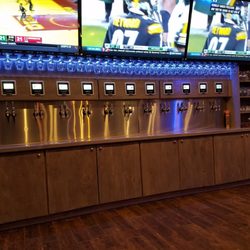
Great local brewery with an ambient setting for indoor or outdoor seating. They have tons of drink options of both their own craft beverages and others, also cocktails and mocktails! The food is great, service is friendly and quick, and there are options to fit any taste. They also have plenty events in the summer at their various locations! read more


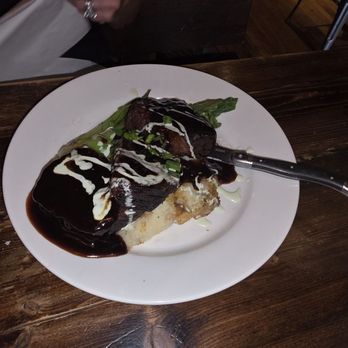
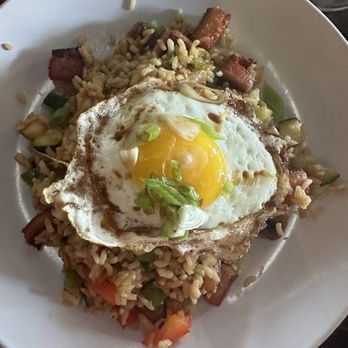
Jackie was our server and she provided very good service. Restaurant has booth or table service with a bar area as well. Theme of Restaurant of course is prison with various pictures. Food. Any food we have had here has been really good. Short Rib were great and a large portion. Spicy Pork Belly fried Rice was also very good. Nice spice flavor. Some pork belly had a lot of fat. But typical with that. Worth a trip as food, craft beer selection and service are great. read more




2 months ago
Good food and good atmosphere. Wait staff was very helpful. Had a crispy chicken sandwich with poutine and my GF had a bowl with salmon. Both were very good and service was quick. I recommend this place for a good dinner and drink place. read more


1 month ago
100/10 no notes between the drinks and the food I had a great time!! The poutine was absolutely delicious, and our server was very sweet and friendly. I wish I could remember her name because she was simply amazing. If I'm back in the area I would love to come back here read more

1 day ago

4 months ago
Sometimes you go to a place just looking for good beer, but you also end up finding amazing food. We started with an IPA flight that was delicious.Then we saw curry mussels on the menu. Interesting combination of flavors and it was delicious. Wonderful visit for food and beer! Our bartender also gave us helpful information for our travels. read more


The ambience is a mix of pub and restaurant -- lively but comfortable. The staff, from the hostess stand to the bartender and servers, were all kind and hardworking. We had a group of twelve, and about seven of us really enjoyed our entrees. The macaroni dish, fried chicken, and salads were the favorites of the night. I'm a bit tough on fried chicken (being from the Deep South!), and while it was a little too salty and the skin crispier than I prefer, two others at the table thought it was great. Thank you, Prison City, for a fun evening with my lady friends! read more

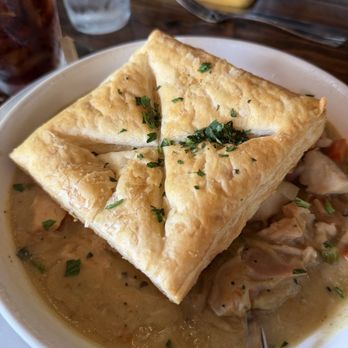


Long have I seen Prison City Brewery as I do my brewery researching but never actually strived for trying them. There were so many options to try for years I guess. But as time has passed it's thinned out as my check list is vast and a lot of breweries are closing due to industry challenges and headaches. So it was time for Prison City. We had the Earth, Wind & Foeder which is a lager. It was pretty good, no complaints. Perhaps lacking just a tad in personality but not enough to ward away. Flavor highlights with this beer are hoppy, crisp, balanced and subtle which is maybe where I had the idea of the personality comment without realizing at the time it was purposeful. Also the beer is very light bodied like a light lager should be. read more


Sat outside on a warm but breezy day. Table was a bit slanted soda kept sliding across but we managed. The poutine with beer glazed pork belly was the bomb and I would order and eat it again and again and again.. but I digress. I had the crispy chicken sandwich which was missing the smoked Gouda but tasty nonetheless. My dining partner got the arugula pesto chicken. We thought there would be arugula on it but the pesto is made with arugula. Waitress brought out a bowl of arugula for him which was very nice since we misunderstood. Warm lettuce is not our thing. Waitress was very attentive and drinks remained filled throughout! If in the area we would stop in again. read more


Very good lunch with colleagues. All of us enjoyed our bowls as they were filling yet not the kind of meal that sticks in your belly the rest of the day. Each one of us went in a "different" bowl direction. My bowl of choice was the "abundance bowl". This bowl includes. mixed greens, quinoa, roasted vegetables, dried cranberries, goat cheese, and sunflower seeds on a maple vinaigrette. While the bowl was loaded with a lot of mixed greens, it was pretty light on all the other ingredients. Really enjoyed the maple vinaigrette. To make this a better salad more of the "other items" beyond the mixed greens would make it excellent. read more


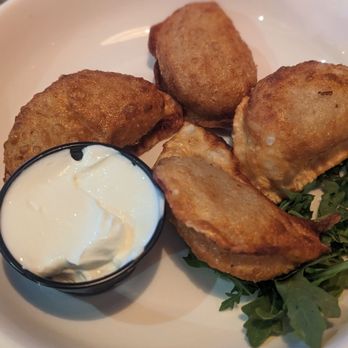
I saw they were having a special Octoberfest menu so my friend and I decided to go for lunch. We shared an appetizer of fried pierogies filled with delicious sauerkraut and served with sour cream. They were crispy, hot and full of nicely cooked sauerkraut. My friend had a Schweinebraten- slow braised pork with red cabbage, mashed potatoes and gravy. She said it was fall apart tender and everything was seasoned well and tasty. I love sausage so I had a platter with 3 different sausage, red cabbage, sauerkraut and spaetzle. Everything tasted very good, but my only issue was that all the items were piled up and the grainy mustard that I didn't care for was all over the top of everything. I had no idea they were going to spread it on top or I would have asked for it on the side. I cleared the mustard off as best I could and brought most of it home for my husband. (This was not a sandwich or salad so I didn't expect the condiment to be served over all the food). I tasted everything on the plate and the food was very good, this was merely a matter of my not liking the mustard. Next time I will ask. Our server was excellent, giving us time to choose our drinks and food, checking in with us and splitting our checks. I am not an IPA drinker, but their Mass Riot is light , crisp and outstanding. They have outdoor seating and it was a beautiful day. read more




4 months ago
2 months ago

Visiting the area and needed to find a place to eat on a Sunday evening. The kitchen is open until 8pm on Sundays. Our server, James was absolutely delightful!! He was so attentive and went out of his way throughout our visit. The grass fed burger was excellent along with the delicious Poutine and I'm a Poutine snob! The vibe of this place is really cool. Margaritas were great and as are the selections of beers. I can't say enough how terrific James made our experience. Definitely ask for him if you are visiting!! read more


2 months ago


2 years ago
Prison City has locked me up and I hope they throw away the key! What a wonderfully delicious lunch we had that put my taste buds under arrest. Truly, it was a fantastic lunch, went on a Saturday shortly after opening and somehow got a table right away. Expect wait times and you should wait, it's so worth it! The place is really chill inside with a solid welcoming vibe. The staff was helpful and kind. Service was fast but not rushed. We enjoyed a local soda, the buffalo cauliflower perogies, a crispy chicken sandwich, a power salad and something I don't remember the name of. All of it was incredibly delicious, bringing happy taste buds and tummies to everyone. If all the other reviews didn't convince you. What the heck are you waiting for... Enjoy!! read more


3 months ago
3 months ago

I've never been to Auburn before I'm sad I've missed such a neat place for so long. Man the pretzels and beer cheese were delicious and the chicken sandwich even better! They have a very interesting place with cool theme and lots of indoor and outdoor dining area. If absolutely stop back again prices were good and staff was so nice! read more


We had some errands in Auburn so we stopped by this pub because the menu looks appetizing. Unfortunately, the food was very disappointing. Our server Ashley was nice and the outdoor seating area is very cute and comfortable. They offer Sunday brunch so I ordered the eggs Benedict; the eggs were undercooked, the hollandaise was slightly broken, and the potatoes were cold. Bacon was fine and fresh-squeezed orange juice was tangy and good. My husband said the beer was good, but his burger was overcooked and bland. The restaurant was clean and nice looking, but the food was a huge miss! read more


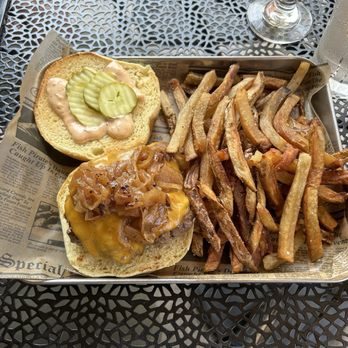

We came to Prison City to try a few beers and get a small snack before driving back to our Airbnb on Seneca. We are fortunate enough to have Prison City beer distributed to SE Pennsylvania so I was familiar with their stuff before coming here. The beers were all very good and I would have taken some home but I didn't have a cooler. We ordered fries and the Brussels sprouts just to help absorb the beer. Both were very good. The mustard on the Brussels sprouts was the standout for us. read more


We turned up to this place for my birthday as a way for me to meet with my parents and grab a bite to eat eat before working the evening. Staff were extremely pleasant and even nice enough to my mom to get a photo of us together. The atmosphere inside is a fusion for a pub and the atmosphere of Auburn itself. I got the pub burger, which was cooked perfectly along with fries . The natural fries were crispy and everything topping the burger was well put together. I appreciate the attention to detail and the time they took explaining the shepherds pie to my father. Overall, this was a wonderful visit and we will be back . read more


1 year ago
The beer was good, and the service was good. My husband ordered the steak and frites and it was pretty pathetic considering the price. A thin piece of meat cooked well done when he asked for medium. Didn't really have the time to send it back and wait for something else to come out. read more


8 months ago

Absolutely love Prison City. Their menu is vast whether food or beer. It has become a tradition for a few families with the kiddos to stop at Prison City after a lacrosse tournament in West Genesee and travel home to Canandaigua. The pork fried rice is my absolute favorite and a must try if you've never had it. You won't be disappointed. Staff is friendly and street parking was easy to find on a Sunday afternoon. read more


This place was atop my list when we were headed to Seneca Falls for the eclipse. A 25-minute drive, straight east on 20 with plenty of parking all around, is Prison City. They have another location if I recall. This one is downtown and a much larger space than one might assume from the exterior. We walked in to get a table for 2, but there was a wait of a handful of parties. I took a quick walk down the bar to be sure there wasn't two empty seats, and walked back to the host station to put our name in. After we ordered a couple beers from the bar, a nice little stand alone barrel top was open, so we enjoyed our beer away from the front entrance. We were told 45 minute wait and after about 30-35 minutes, everyone was sat except for us and another party of two. For some reason, the hostess sat them first, so afterwards, I went up to the station to be sure they still had my name. She asked for my name and said we would be next, once another table opened up. I made the mistake of telling her that we were in before the other party she just sat, because after that, she attempted to sit us at a table setup for six on ONE SIDE OF THE TABLE, like some sort of community table. There was a table for 4 open right near the front window, so when I questioned if we going to be having other customers sitting with us at a table, she said yes and I told her we wanted the other table. She huffed and walked over to that table, set down the menus and walked away. I was stunned. Was I really going to enjoy a date night with my wife with 2-4 more random guests trying to eat that night? We laughed at the thought of her thinking this was OK. After that, we quickly ordered up our meals, two fantastic salads, split a beer, ordered a four pack to go and closed our tab and left promptly. This could have been a 5 star, but I rubbed someone the wrong way. Ah well. read more


10 months ago

1 year ago
1 year ago

1 year ago

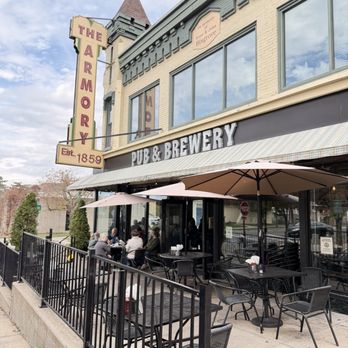
Nice pub right in the city. I like the aesthetic of this place a lot and it's quite spacious inside. Doesn't look like much from the outside though. Wasn't crowded in the afternoon but heard it picks up at night. I had a draft sour and burger with a side of Brussel sprouts. The food was great! Burger was cooked perfectly. The sprouts were delicious with a mustard sauce and pork belly. All topped off with a fresh brew. Can't beat it. read more


I have never had a bad meal here and their beers are top notch! My husband and I came for lunch recently and we each had a grain bowl and a flight of beer. Everything was delicious and we even had leftovers for later! Next time you venture to Auburn, be sure to check out Prison City Pub and Brewery or their North Street brewery where they have live music and a food truck. They even have a delicious Sunday brunch! read more


7 months ago

1 year ago
1 year ago
Visited here on 7.12.25 around 330pm. Promptly seated and water on the table without having to ask on a hot day. Wings are awesome...come here for their wings. I had the Poutine with a fried egg on top. I ate the whole thing. Burger, chicken fingers, and chicken sandwich were good. Server was attentive and friendly. Tangerine craft beer was refreshing. No surcharge for credit card. I'd def visit here again if I am in the area. Between this place, Parkers and Curleys, I'd choose this place everytime. Atmosphere was great. read more


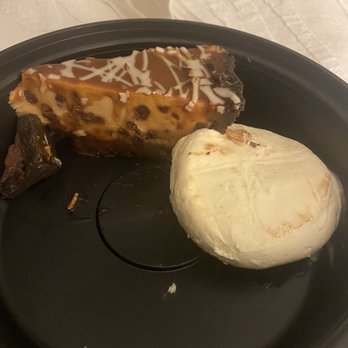
A delectable meal. Emily our waitress was so accommodating and kind. I feel she genuinely enjoys what she does and it showed. I got the impossible burger with a pretzel bun. Delicious. So good. Interestingly flat, like it's been flattened, but it tasted great and fresh. The fries are bomb and crispy with potato skin. YUM. Ketchup on the table so I was set. The side of Brussel sprouts are wow. Pork belly hits and Brussel sprouts and goat cheese. Incredible combo. It exploded in my mouth. Mind blowing. To go I got a peanut butter pie and that was yummy. For $6 it's a little small of a portion. Rich taste. Crusty bottom of chocolate. Every bite was good. I've the spacing inside the restaurant, lit up signs, and all of it. If you're in auburn, come here! read more



Page 1 of 12
More info about Prison City Pub & Brewery
28 State St
Auburn, NY 13021
Directions
(315) 604-1277
Call Now
Visit Website
https://www.prisoncitybrewing.com
Hours
Payment methods
Food & Alcohol
Indoor Amenities
Outdoor Amenities
Other Amenities
From the Business
More Info
Health Score
Ask the Community - Prison City Pub & Brewery
You might also consider











Why does Yelp recommend reviews?
32 reviews that are not currently recommended
The reviews below are not factored into the business's overall star rating.

9 years ago

12 years ago
8 years ago
8 years ago

8 years ago

6 years ago
3 years ago
2 months ago
2 months ago
9 years ago

9 years ago
5 years ago
4 years ago

4 years ago
1 year ago

8 years ago
9 years ago
8 years ago
5 days ago


