ShopJimmy Photos


You might also consider


More like ShopJimmy
Recommended Reviews - ShopJimmy
Start your review...


Reviews With Photos

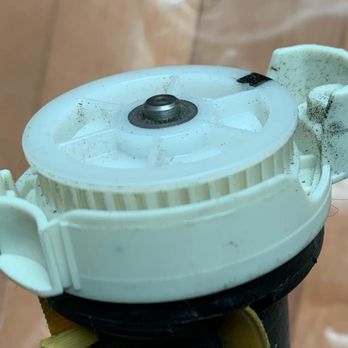
Great customer service. I had trouble with the original part I purchased (They ARE used parts, by the way). They happily offered return or replacement. I chose replacement since this part is out of production. The replacement came promptly and is working perfectly. It came wrapped in a plastic bag and plenty of bubble wrap for protection. I highly recommend Shop Jimmy!


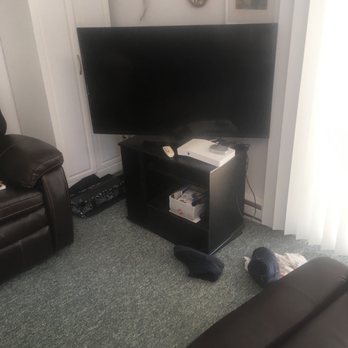
Shop Jimmy has been there with another tv repair. 10 total now. Started with just my personal TV. Then found a bunch on my neighborhood that needed repair. Fixed those and donated them to animal shelters. Now doing TVs for friends and family!!! Never ever have I experienced a bad or negative feeling from this company! Genuine people who give a damn! I'll pay more to this company for the excellent service and support, then a cheaper company with no backup in product support or help! My time is critical and this company understands that and is cognizant of it

Let say that in the past I had no issue with this company. I ordered a tcl board and had the right model checked and the sent me the wrong board. I sent it back thinking it happens sometimes. I worked in retail over 25 years I know things happen. So I received the next one and it was the same thing. I sent pics showing what I had versus what they kept sending. The picture on the site shows my exact same board. They didn't care, and after waiting almost 3 days for a response they send me a return label and said they don't carry that item. The rep I had during all of this name was Sonny and I don't think he cared at all about situation right. This company used to have values, but like every thing else in the world things change.

Awful company. I placed an order with them on January 21st. They created the label that day. They never shipped my items. When I reached out to them they stated that they would ship them out that day. They did not. That was over 10 days ago now and they have yet to send me new tracking information or refund my money. They've now stopped communicating with me . I don't think it's too much to ask that they provide the product that I paid for.


1 month ago
2 months ago

2 years ago
I needed a control panel for a stove repair... found it here and got it shipped. Fast! Everything about this went well. I'll be using ShopJimmy again! read more

8 months ago
Great customer service. I had trouble with the original part I purchased (They ARE used parts, by the way). They happily offered return or replacement. I chose replacement since this part is out of production. The replacement came promptly and is working perfectly. It came wrapped in a plastic bag and plenty of bubble wrap for protection. I highly recommend Shop Jimmy! read more


11 months ago
Business owner information

Ryan Z.
Hello Gary, thank you for reaching out and our deepest apologies for…
1 year ago

3 years ago
Shop Jimmy has been there with another tv repair. 10 total now. Started with just my personal TV. Then found a bunch on my neighborhood that needed repair. Fixed those and donated them to animal shelters. Now doing TVs for friends and family!!! Never ever have I experienced a bad or negative feeling from this company! Genuine people who give a damn! I'll pay more to this company for the excellent service and support, then a cheaper company with no backup in product support or help! My time is critical and this company understands that and is cognizant of it read more


10 months ago
10 months ago
11 months ago
1 year ago
1 year ago
Let say that in the past I had no issue with this company. I ordered a tcl board and had the right model checked and the sent me the wrong board. I sent it back thinking it happens sometimes. I worked in retail over 25 years I know things happen. So I received the next one and it was the same thing. I sent pics showing what I had versus what they kept sending. The picture on the site shows my exact same board. They didn't care, and after waiting almost 3 days for a response they send me a return label and said they don't carry that item. The rep I had during all of this name was Sonny and I don't think he cared at all about situation right. This company used to have values, but like every thing else in the world things change. read more


2 years ago
Awful company. I placed an order with them on January 21st. They created the label that day. They never shipped my items. When I reached out to them they stated that they would ship them out that day. They did not. That was over 10 days ago now and they have yet to send me new tracking information or refund my money. They've now stopped communicating with me . I don't think it's too much to ask that they provide the product that I paid for. read more

11 months ago
2 years ago

2 years ago

3 years ago
3 years ago
Totally dishonest company we are ordered by Asurion and this company shopjimmy provides part for Asurion but i got used part they did 2 times I'm gonna report them soon to Asurion ,because Asurion give them money to send us parts but all parts used read more


4 years ago

5 years ago
3 years ago
4 years ago

4 years ago

6 years ago

6 years ago

7 years ago

4 years ago

7 years ago

5 years ago

6 years ago
5 years ago

7 years ago

6 years ago

7 years ago

8 years ago

7 years ago
4 years ago
6 years ago
4 years ago
Page 1 of 4
More info about ShopJimmy
2300 W Hwy 13
Burnsville, MN 55337
Directions
(952) 881-6492
Call Now
Visit Website
http://www.shopjimmy.com
Hours
Payment methods
Outdoor Amenities
From the Business
Ask the Community - ShopJimmy
You might also consider























Why does Yelp recommend reviews?
71 reviews that are not currently recommended
The reviews below are not factored into the business's overall star rating.

9 years ago
9 years ago
4 years ago

11 years ago
11 years ago

8 years ago
7 years ago
7 years ago
12 years ago

11 years ago

7 years ago
11 years ago
10 years ago

11 years ago
9 years ago
7 years ago
1 year ago

10 years ago

11 years ago
11 years ago





