Charming Hill Farm Photos

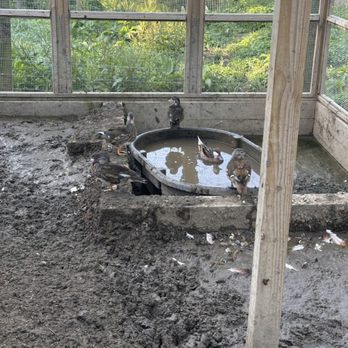


More like Charming Hill Farm
Recommended Reviews - Charming Hill Farm
Start your review...



5 months ago
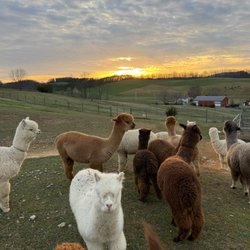
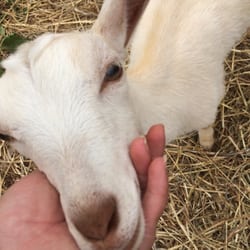
We have been visiting the Charming Hill Farm for baby goats cuddles for the past 4 years and always enjoy our time there! We did few farm tours and i brought my friends as well. I have always been impressed how clean and organized farm is and how happy animals look. My kids are thrilled every time we get to visit! Will definitely be back! read more


1 year ago
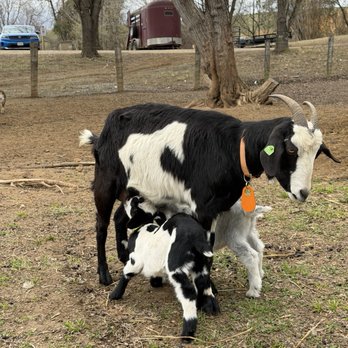
These are pictures to back up my claims on what is hidden from the public. the first week of working on the farm and being in contact with sick goats, dead farm animals and all animals left untreated for just basic parasitic infection. I ended up getting sick, I had to go to the ER after my late night on the farm and was prescribed antibiotics twice a day for 7 days. I also received a parasitic cleanse, which I would recommend all visitors to complete after visiting the farm. Multiple parasitic organisms present on charming hill farm are not only ingesting the herd but are in the soil, where their eggs or larvae can persist for long periods, making eradication challenging. The primary culprits are soil-transmitted helminths (STHs), or roundworms, which include hookworms, whipworms, and Ascaris. In addition, invasive hammerhead worms can also be difficult to eliminate from even garden soil. Soil-transmitted helminths (STHs) These are intestinal worms that spread through soil contaminated with human or animal feces. They are most common in areas with poor sanitation but can persist even with modern infrastructure. The eggs and larvae can remain dormant in the soil for a long time, making contamination persistent. Hookworms (Necator americanus) Life cycle: An infected person's feces contain hookworm eggs, which hatch into larvae in the soil. People become infected when they walk barefoot on contaminated soil or that come in contact with an infected animal, as the larvae can penetrate the skin. Eradication challenge: It is difficult to prevent reinfection in areas where soil contamination is widespread. Meaning Charming hill farm and its land will never eradicate the parasites! Whipworms (Trichuris trichiura) Life cycle: Similar to hookworms, whipworm eggs are passed in the feces of an infected animal or person and contaminates the soil. Infection occurs when people accidentally ingest the eggs, often from contaminated hands, food, or water. Eradication challenge: The eggs can mature and remain infectious in the soil for weeks, and controlling the source of contamination is difficult in some communities. Ascaris (Ascaris lumbricoides) Life cycle: The eggs of these large roundworms are passed in feces and can become infectious after several weeks in the soil. Eradication challenge: The eggs are microscopic and can survive in the soil for a long time, making areas with poor sanitation and improper waste disposal persistent sources of infection. Invasive hammerhead worms These are carnivorous flatworms native to Asia that have become an invasive species in Virginia most widely known to be on contaminated farms. They are difficult to eliminate because of their ability to regenerate and their preference for moist soil. Bipalium species Life cycle: These worms thrive in moist, organic soil, where they prey on earthworms and other soil invertebrates. Eradication challenge: Regeneration: Cutting the worm into pieces can cause each section to regenerate into a new worm. Chemical harm: Broad-spectrum pesticides or large amounts of salt are not recommended, as they can harm vegetation and beneficial organisms in the soil. Limited control: The most effective method is to deal with them individually using a targeted, manual approach. The owners do not take the public's health in perspective. Their lack of farming knowledge or Herd prevention is straight arrogance. The harm this can do to a person or child it's just neglectful Let alone forcing the animals to live this way ultimately dying is a sick form of animal abuse. read more






3 years ago
3 years ago
3 years ago
3 years ago
3 years ago
5 years ago
4 years ago
More info about Charming Hill Farm
Ask the Community - Charming Hill Farm




















Why does Yelp recommend reviews?
Charming Hill Farm - attractionfarms - Updated August 2026
Browse Nearby
Browse Brands
Browse Articles
People found Charming Hill Farm by searching for…
Cherry Picking Farm in Amissville, VA
Fun Things to Do in Amissville, VA
Apple Orchard in Amissville, VA
Fruits & Veggies in Amissville, VA
Fun Date Ideas in Amissville, VA
Arts & Entertainment in Amissville, VA
Livestock Veterinary Care in Amissville, VA
Festivals and Fairs in Amissville, VA
U Pick Farms in Amissville, VA
Places to Take Pictures in Amissville, VA
Fruit Picking in Amissville, VA
Things to Do at Night in Amissville, VA
People who viewed Charming Hill Farm also viewed

Jenkins Orchards
16 reviews

Little Goat Farm at the Lake
34 reviews

Ren Zinnia Farm
1 review

Hidden Gems Farm
19 reviews

Glen Manor Vineyards
126 reviews
$$

Lady Olivia At North Cliff Farm
1 review

Pearmund Cellars
292 reviews
$$

Rappahannock Cellars
154 reviews
$$

Gray Ghost Vineyards
85 reviews
$$

Wine Loves Chocolate
20 reviews
$$