
Ephrata Cloister
Ephrata Cloister Photos


You might also consider


More like Ephrata Cloister
Recommended Reviews - Ephrata Cloister
Start your review...


Reviews With Photos


Wow this place was awesome if you like religious history and culture. We got to the museum which was very informative and watched video about their history. We got here too late for the last guided tour but could see the outside of the buildings. Staff nice and clean place. Would come back for the tour if I get back up here.


When you walk through the gates, it feels like you've been transported back in time. Everything is rustic because everything except the visitor's center is original. You will witness German ingenuity in their architecture and you will see what it's like to live according to the severe rules Conrad Beissel had worked out for his followers. It is a testament that America was truly a place where people exercised religious freedom. The Brethren was also credited for copying and illuminating manuscripts, printing books, and composition of original hymns with at least three women credited as their first documented women composers. It is a peaceful walk along its grounds but make sure you have a tour guide to help explain the little details and share anecdotes that make a place truly come alive.


First some history: Ephrata Cloister is the brainchild of a guy named Conrad Beissel. Beissel grew up in late 17th century Germany where ongoing wars and the ability of the monarchy to change the official religion of the country based on their personal preference led him to join a group called the Pietists who obviously were not sanctioned by the church. Beissel is eventually found in conflict with the law and gets banished from the motherland. The natural place for him to go was Pennsylvania with the religious freedom offered by William Penn's policies. After spending some time in the Germantown (go figure) area of Philadelphia, Beissel makes his way to the Lancaster area where he joins up a group called the Brethren. The Brethern were an Anabaptist group which offered admission to the faith to those individuals who had reached maturity. In today's world Anabaptist is usually the religion most associated with the Amish and the period of admission to the church around the time of maturity is known as Rumspringa. Eventually Beissel walks away from his leadership role in the group to live a hermits life by himself in the area that is now called Ephrata. What Beissel didn't count on was that his charismatic personality and teachings had drawn a small but loyal following that followed him to PA's frontier in essence starting the community that became known as Ehprata Cloister. From EC's website: " What began as a hermitage for a small group of devoted individuals grew into a thriving community of nearly 80 celibate members supported by an estimated 200 family members from the region at its zenith in the mid-18th-century. During that period much of the activity surrounded the charismatic founder and leader, Conrad Beissel. His theology, a hybrid of pietism and mysticism, encouraged celibacy, Sabbath worship, Anabaptism, and the ascetic life, yet provided room for families, limited industry, and creative expression. The community became known for its self-composed a cappella music, Germanic calligraphy known as Frakturschriften, and the complete publishing center which included a paper mill, printing office, and book bindery." Members ate one small vegetarian meal per day. Members slept six hours per night on small wooden blanks. Those six hours were from 9pm-Midnight then from 2AM-5AM while the two hours in between were spent on watch for the second coming of Christ since Beissel was convinced that would happen during his lifetime. The rest of their days were spent praying and doing their assigned work tasks. From EC's website: "With the death of Beissel in 1768 the society quickly declined. Peter Miller, successor to Beissel, recognized that the monastic life was no longer attractive to new generations. He wrote to Benjamin Franklin saying, "the mind of Americans is bent another way." By 1813 the last of the celibate members died, and the following year the remaining members of the married congregation formed the German Seventh Day Baptist Church. Poorer members of the Church moved into many of the original buildings on the Cloister property and altered the spaces to suit their needs. With these new residents came bits of furniture and household items; however they also made use of the furnishings that remained in the buildings. In many cases 18th-century furniture was given a coat of paint, cut down to fit a space, or repaired with disregard to original construction methods or materials." Eventually membership in the church devolved enough in the early 20th century plus lawsuits amongst the remaining members caused the charter of the church to be revoked by the commonwealth. The remaining 28 acres were sold off to the commonwealth and a twenty year restoration project on the remaining original buildings along with a few reproductions which eventually lead to the tourist attraction that exists today. If you go: Current hours are Monday - Saturday: 9:00 am - 5:00 pm with tours starting at 10:00 am, 12:00, 2:30, and 3:30 pm. Sunday: Noon - 5 with tours starting at 12:30, 1:30, 2:30 and 3:30 pm. During January and February the Cloister is closed on Monday & Tuesday. EC is open daily with the exception of Veteran's Day, Thanksgiving, Christmas, New Years Day. Adults (ages 12-64) $10.00, Senior Citizens (ages 65 and above) and motor clubs (such as AAA) $9.00, Youth (ages 3-11) $6.00, Children under age 3 are free. There are also a few special events throughout the year that have slightly modified admission prices. The tour starts in the visitor center which has some original from the era/community and then you get the fifteen minute video which is NPS caliber and overall does a good enough job explaining the community along with Beissel. After the video you are taken over to the Sister's House and the Meetinghouse (both original buildings from the 1740's) before being cut loose to see the rest of the grounds on your own.
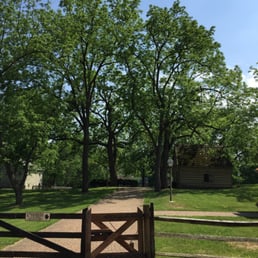

This area was settled by a German religious group that owned a large piece of property and had a conservative lifestyle that included sleeping on wooden boards with a wood block for a pillow. There were originally a number of buildings but some no longer exist but remaining ones can be viewed. The last member of the group died and the state of Pennsylvania took it over and it is open to the public. They offer a tour where you can go into a couple of the buildings and learn about the history and lifestyle as well as a short film that you view first. It was quite interesting and the grounds were lovely. Fee is $10.00, seniors and AAA is $9.00, youth 3-11 is $6.00 and under 3 free. There was a nice museum gift shop that had some local and unique items.


Great historical experience that brings you back in time. You get to walk inside 9 of the original buildings from the 1700's.


i cannot find the words for how beautiful this place is. it is simply one of the most fascinating and gorgeous yet haunting places i've ever visited. established in the early 18th century by a German Christian mystic it operated as an independent religious community in the Pennsylvanian countryside populated by celibate aesthetics alongside devout landowning families. many of the original buildings are still standing but the grounds itself apparently looks a lot different than it did in the 1700's (this happened in the 60's when it was turned into a tourist spot). if you have any interest in religious studies, American religious history or American history in general you'll find the Ephrata Cloisters an exhilarating experience. i'm now reading a book about the place and cannot get enough of it.


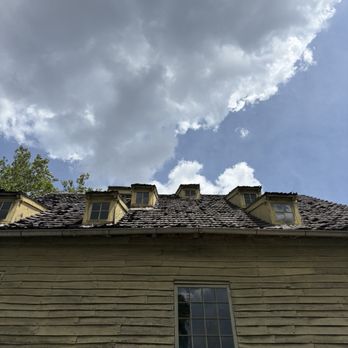
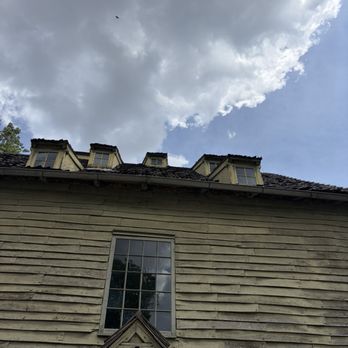
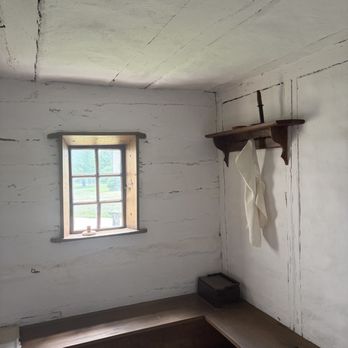
The Ephrata Cloister or Ephrata Community was a religious community established in 1732 by Johann Conrad Beissel at Ephrata, in what is now Lancaster County, Pennsylvania. By the early 1750s, Ephrata Cloister was home to nearly 80 celibate Brothers and Sisters who lived in striking Germanic-style log, stone, and half-timbered buildings. Alongside them, nearly 250 family members, known as Householders, resided in nearby homes and farms. Ephrata became known for: the German calligraphic art of Frakturschriften; self-composed a cappella music written using Beissel's rules for four-part harmony; and an ambitious printing establishment creating works for the use of the community and neighbors. During the American Revolution, Ephrata served as a hospital for nearly 250 American soldiers, some of whom rest in the Mount Zion cemetery overlooking the historic grounds. The Society declined after the death of Beissel in 1768. The last celibate member died in 1813, and the next year the remaining Householders incorporated into the German Seventh Day Baptist Church. Members continued to live and worship in the Cloister buildings until the close of the Church in 1934. After that, the buildings were turned over the state and became the museum you can visit today. I learned all this and more, when I visited the Ephrata Cloister this past Sunday. When you arrive, there's plenty of parking and then a short walk over to the visitor center, where you can purchase a ticket. Inside the visitor center is a small museum, which provided plenty of history and helpful context for exploring the grounds - especially if you're not taking advantage of the excellent guided tour. With the map you receive when you pay for admission, you can explore the grounds, and there's also an phone-led audio guide that tells you about each building (they're numbered). On the day I visited, there were two guided tours (one at 1pm and one at 2:15pm), and I highly recommend joining the guided tour if you can. It starts with a video in the auditorium space in the visitor center, and then a very helpful guide (ours was Sue) walked us to the grounds and explained more about the history and architecture. After that, she walked us to two buildings you cannot enter without a guide (the Sister's House and the attached Meetinghouse/Saal the Sisters used). I learned so much about this community - which I knew almost nothing about before my visit - and they were fascinating: they ate one (vegetarian) meal a day, they slept few hours each night (with a break from 12-2am in case the second coming arrived), and lived as an religious, pious, and equal community. Sue our tour guide pointed out which buildings were recreations and which were original. There were several that were original to the 18th century, and the architecture is really stunning. There's plenty to learn about this historic community and society and no wrong way to do it (although I highly recommend the guided tour, which I got so much out of - Sue was great). Don't forget to stop by the gift shop on our way out, too! A fascinating piece of American history right near Lancaster. If you're exploring Lancaster County for a weekend, including a visit to Ephrata Cloister is well worth it! read more





4 months ago
You have the option of touring it urself or with a group and an option of watching the 15 minute video before the tour. WATCH THE VIDEO. Good combination of informative & comedic & good acting. Tour guide was very information and kept a comfortable atmosphere for questions. I would recommend walking around in the yard to find the water (idk if it's a river) and these stairs that kinda stop in the forest read more


8 months ago
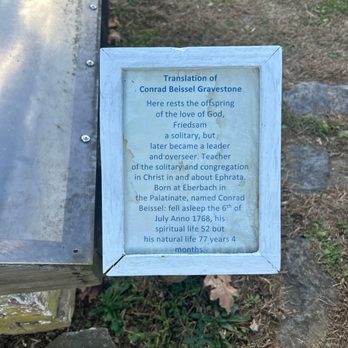
The tour is amazing and they are so kind and very into detail which was very nice. Would definitely recommend. read more


3 months ago

1 year ago
Wow this place was awesome if you like religious history and culture. We got to the museum which was very informative and watched video about their history. We got here too late for the last guided tour but could see the outside of the buildings. Staff nice and clean place. Would come back for the tour if I get back up here. read more


4 years ago
When you walk through the gates, it feels like you've been transported back in time. Everything is rustic because everything except the visitor's center is original. You will witness German ingenuity in their architecture and you will see what it's like to live according to the severe rules Conrad Beissel had worked out for his followers. It is a testament that America was truly a place where people exercised religious freedom. The Brethren was also credited for copying and illuminating manuscripts, printing books, and composition of original hymns with at least three women credited as their first documented women composers. It is a peaceful walk along its grounds but make sure you have a tour guide to help explain the little details and share anecdotes that make a place truly come alive. read more


9 years ago
First some history: Ephrata Cloister is the brainchild of a guy named Conrad Beissel. Beissel grew up in late 17th century Germany where ongoing wars and the ability of the monarchy to change the official religion of the country based on their personal preference led him to join a group called the Pietists who obviously were not sanctioned by the church. Beissel is eventually found in conflict with the law and gets banished from the motherland. The natural place for him to go was Pennsylvania with the religious freedom offered by William Penn's policies. After spending some time in the Germantown (go figure) area of Philadelphia, Beissel makes his way to the Lancaster area where he joins up a group called the Brethren. The Brethern were an Anabaptist group which offered admission to the faith to those individuals who had reached maturity. In today's world Anabaptist is usually the religion most associated with the Amish and the period of admission to the church around the time of maturity is known as Rumspringa. Eventually Beissel walks away from his leadership role in the group to live a hermits life by himself in the area that is now called Ephrata. What Beissel didn't count on was that his charismatic personality and teachings had drawn a small but loyal following that followed him to PA's frontier in essence starting the community that became known as Ehprata Cloister. From EC's website: " What began as a hermitage for a small group of devoted individuals grew into a thriving community of nearly 80 celibate members supported by an estimated 200 family members from the region at its zenith in the mid-18th-century. During that period much of the activity surrounded the charismatic founder and leader, Conrad Beissel. His theology, a hybrid of pietism and mysticism, encouraged celibacy, Sabbath worship, Anabaptism, and the ascetic life, yet provided room for families, limited industry, and creative expression. The community became known for its self-composed a cappella music, Germanic calligraphy known as Frakturschriften, and the complete publishing center which included a paper mill, printing office, and book bindery." Members ate one small vegetarian meal per day. Members slept six hours per night on small wooden blanks. Those six hours were from 9pm-Midnight then from 2AM-5AM while the two hours in between were spent on watch for the second coming of Christ since Beissel was convinced that would happen during his lifetime. The rest of their days were spent praying and doing their assigned work tasks. From EC's website: "With the death of Beissel in 1768 the society quickly declined. Peter Miller, successor to Beissel, recognized that the monastic life was no longer attractive to new generations. He wrote to Benjamin Franklin saying, "the mind of Americans is bent another way." By 1813 the last of the celibate members died, and the following year the remaining members of the married congregation formed the German Seventh Day Baptist Church. Poorer members of the Church moved into many of the original buildings on the Cloister property and altered the spaces to suit their needs. With these new residents came bits of furniture and household items; however they also made use of the furnishings that remained in the buildings. In many cases 18th-century furniture was given a coat of paint, cut down to fit a space, or repaired with disregard to original construction methods or materials." Eventually membership in the church devolved enough in the early 20th century plus lawsuits amongst the remaining members caused the charter of the church to be revoked by the commonwealth. The remaining 28 acres were sold off to the commonwealth and a twenty year restoration project on the remaining original buildings along with a few reproductions which eventually lead to the tourist attraction that exists today. If you go: Current hours are Monday - Saturday: 9:00 am - 5:00 pm with tours starting at 10:00 am, 12:00, 2:30, and 3:30 pm. Sunday: Noon - 5 with tours starting at 12:30, 1:30, 2:30 and 3:30 pm. During January and February the Cloister is closed on Monday & Tuesday. EC is open daily with the exception of Veteran's Day, Thanksgiving, Christmas, New Years Day. Adults (ages 12-64) $10.00, Senior Citizens (ages 65 and above) and motor clubs (such as AAA) $9.00, Youth (ages 3-11) $6.00, Children under age 3 are free. There are also a few special events throughout the year that have slightly modified admission prices. The tour starts in the visitor center which has some original from the era/community and then you get the fifteen minute video which is NPS caliber and overall does a good enough job explaining the community along with Beissel. After the video you are taken over to the Sister's House and the Meetinghouse (both original buildings from the 1740's) before being cut loose to see the rest of the grounds on your own. read more


3 years ago
3 years ago

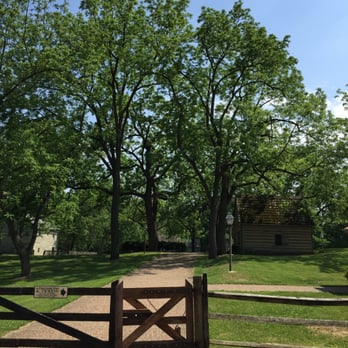
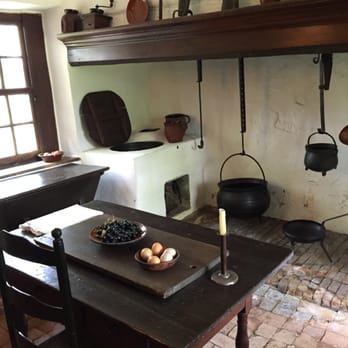
This area was settled by a German religious group that owned a large piece of property and had a conservative lifestyle that included sleeping on wooden boards with a wood block for a pillow. There were originally a number of buildings but some no longer exist but remaining ones can be viewed. The last member of the group died and the state of Pennsylvania took it over and it is open to the public. They offer a tour where you can go into a couple of the buildings and learn about the history and lifestyle as well as a short film that you view first. It was quite interesting and the grounds were lovely. Fee is $10.00, seniors and AAA is $9.00, youth 3-11 is $6.00 and under 3 free. There was a nice museum gift shop that had some local and unique items. read more


4 years ago

7 years ago
Great historical experience that brings you back in time. You get to walk inside 9 of the original buildings from the 1700's. read more


17 years ago
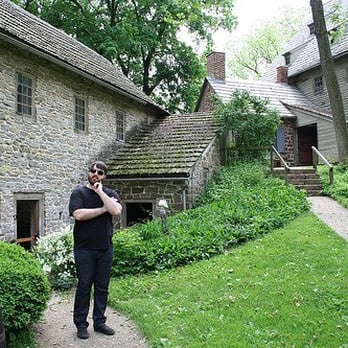
i cannot find the words for how beautiful this place is. it is simply one of the most fascinating and gorgeous yet haunting places i've ever visited. established in the early 18th century by a German Christian mystic it operated as an independent religious community in the Pennsylvanian countryside populated by celibate aesthetics alongside devout landowning families. many of the original buildings are still standing but the grounds itself apparently looks a lot different than it did in the 1700's (this happened in the 60's when it was turned into a tourist spot). if you have any interest in religious studies, American religious history or American history in general you'll find the Ephrata Cloisters an exhilarating experience. i'm now reading a book about the place and cannot get enough of it. read more

5 years ago

8 years ago

This is one of the coolest and most unappreciated treasures of pennsylvania. It was originaly established in the 1730's as a religous convent by Conrad Beissel. He had left the nearby settlement of lancaster. I first went there about two years ago. It is right on rt 222, but hidden by a large cluster of pine trees, you can notice the graveyard from the road though. Its next to the car wash. The members all basically pratyed 18 hours a day, slept on wooden benches at least 3 hours a day, and then basically went to church. they spoke german and sang all their songs in german. The colony was basically carved out of the woods, and the celibate men and women work all around the clock and produced nearly everything then needed, except glass. they had an amazing printing facility, where they printed bibles and texts and religious hymnals. they also owned farms nearby that were run by families that were also expected to be celibate. There is a large convent and monistary as well as a barn and some re-constructed buildings on the ground, such as an ampitheatre. read more


18 years ago
7 years ago

11 years ago
More info about Ephrata Cloister
Ask the Community - Ephrata Cloister
Review Highlights - Ephrata Cloister
You might also consider





Why does Yelp recommend reviews?

Ephrata Cloister - landmarks - Updated September 2026
Best of Ephrata
People found Ephrata Cloister by searching for…
Trending Searches in Ephrata, PA
Affordable Wedding Venues near Ephrata Cloister
Baby Shower Venues near Ephrata Cloister
Baked Alaska near Ephrata Cloister
Bingo Night near Ephrata Cloister
Boardwalk near Ephrata Cloister
Boat Charters near Ephrata Cloister
Body Shops near Ephrata Cloister
Bridal Shower Locations near Ephrata Cloister
Bus Tours near Ephrata Cloister
Cheap Banquet Halls near Ephrata Cloister
Cheap Party Venues near Ephrata Cloister
Child Care & Day Care near Ephrata Cloister
Cliff Jumping near Ephrata Cloister
Day Trips near Ephrata Cloister
Dirt Bike Rental near Ephrata Cloister
Fantasy Themed Hotel Rooms near Ephrata Cloister
Flower Fields near Ephrata Cloister
Free Things To Do near Ephrata Cloister
Fun Unique Restaurants near Ephrata Cloister
Garage Door Repair near Ephrata Cloister
Hall Rental near Ephrata Cloister
Hand Car Wash near Ephrata Cloister
Hidden Gems near Ephrata Cloister
Hot Air Balloons near Ephrata Cloister
Landmarks & Historical Buildings near Ephrata Cloister
Laundry Services near Ephrata Cloister
Mobile Mechanic near Ephrata Cloister
Painters near Ephrata Cloister
Pest Control near Ephrata Cloister
Picnic Areas near Ephrata Cloister
Public Services & Government near Ephrata Cloister
Romantic Activities near Ephrata Cloister
Roof Top Bar near Ephrata Cloister
Rooftop Dining near Ephrata Cloister
Scenic Night View near Ephrata Cloister
Scenic Overlook near Ephrata Cloister
Scenic Restaurants near Ephrata Cloister
Secluded Spots near Ephrata Cloister
Sewing & Alterations near Ephrata Cloister
Star Gazing near Ephrata Cloister
Sunrise View near Ephrata Cloister
Things To Do This Weekend near Ephrata Cloister
Used Car Dealers near Ephrata Cloister
Venues & Event Spaces near Ephrata Cloister
Browse Nearby
BEST of Ephrata, Pennsylvania Restaurants near Ephrata Cloister
BEST of Ephrata, Pennsylvania Things to Do near Ephrata Cloister
BEST of Ephrata, Pennsylvania Coffee near Ephrata Cloister
BEST of Ephrata, Pennsylvania Breakfast near Ephrata Cloister
BEST of Ephrata, Pennsylvania Photo Spots near Ephrata Cloister
BEST of Ephrata, Pennsylvania Scenic Drive near Ephrata Cloister
BEST of Ephrata, Pennsylvania Star Gazing near Ephrata Cloister
BEST of Ephrata, Pennsylvania Hotels near Ephrata Cloister
BEST of Ephrata, Pennsylvania Day Trips near Ephrata Cloister
Browse Brands
Related Cost Guides
Related Searches in Ephrata, PA
Affordable Airport Shuttles Available in Ephrata, Pennsylvania
Affordable Cheap Banquet Halls for Events in Ephrata, Pennsylvania
Affordable Cheap Venues & Event Spaces in Ephrata, Pennsylvania
Affordable Kayak Rental Services in Ephrata, Pennsylvania
Affordable Wedding Venues to Book in Ephrata, Pennsylvania
Banquet Halls for Rent in Ephrata, Pennsylvania
Best Halls for Rent for Events in Ephrata, Pennsylvania
Best Lookout Points to Visit in Ephrata, Pennsylvania
Best Pontoon Boat Rentals Near Ephrata, Pennsylvania
Best Rooftop Restaurant Experiences in Ephrata, Pennsylvania
Best Sightseeing Experiences Available in Ephrata, Pennsylvania
Book Engaging Historical Tours in Ephrata, Pennsylvania
Book Exciting Aerial Tours Around Ephrata, Pennsylvania
Book Hot Air Balloon Rides in Ephrata, Pennsylvania Today
Book Party Rental Space Easily in Ephrata, Pennsylvania
Book Premier Outdoor Event Space in Ephrata, Pennsylvania
Book a Brewery Tour Experience in Ephrata, Pennsylvania
Book a Dinner Cruise Experience in Ephrata, Pennsylvania
Book a Holiday Party Venue in Ephrata, Pennsylvania Today
Book a Trolley Tour Experience in Ephrata, Pennsylvania
Browse Birthday Party Venues in Ephrata, Pennsylvania
Browse Cheap Party Venues Listings in Ephrata, Pennsylvania
Browse Cheap Wedding Venues Throughout Ephrata, Pennsylvania
Browse Small Wedding Venues in Ephrata, Pennsylvania
Browse Top Wedding Venues in Ephrata, Pennsylvania
Celebrate Your Special Birthday in Ephrata, Pennsylvania Today
Cheap Banquet Halls for Rent Near Ephrata, Pennsylvania
Discover Architectural Tours Available in Ephrata, Pennsylvania
Discover Charming Historic Homes in Ephrata, Pennsylvania
Discover Cheap Baby Shower Venues in Ephrata, Pennsylvania
Discover Famous Monuments in Ephrata, Pennsylvania
Discover Fun Activities to Do in Ephrata, Pennsylvania
Discover Historic Sites and Places in Ephrata, Pennsylvania
Discover Popular Bike Tours in Ephrata, Pennsylvania
Discover Popular Landmarks in Ephrata, Pennsylvania
Discover Popular Outdoor Venues in Ephrata, Pennsylvania
Discover Popular Photo Spots in Ephrata, Pennsylvania
Discover Small Private Party Venues in Ephrata, Pennsylvania
Discover Top Boat Tours in Ephrata, Pennsylvania for All Ages
Discover Top Scenic Spots to Visit in Ephrata, Pennsylvania
Discover the Best Interactive Museum in Ephrata, Pennsylvania
Discover the Best Military Museum in Ephrata, Pennsylvania
Discover the Perfect Venue in Ephrata, Pennsylvania
Enjoy Outdoor Seating Options in Ephrata, Pennsylvania
Enjoy Scenic Cruises in Ephrata, Pennsylvania
Enjoy a Great Outdoor Bar Experience in Ephrata, Pennsylvania





