
Pangloss Cellars
By appointment only
Pangloss Cellars Photos


Business Info
You might also consider


More like Pangloss Cellars
Recommended Reviews - Pangloss Cellars
Start your review...

Reviews With Photos


Nice mid-day tasting w the sweet and knowledgable Martha this past Saturday. Tasty wines poured in appropriate timing w great ambiance. Had comfy lounge seating table by the front window for excellent people watching. Overall awesome start to our Sonoma Square afternoon. Cheers Pangloss!~


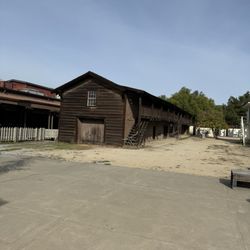
First off, the historic building alone, will impress. So many sections, to just either chill on a lovely sofa, chair or sit at the U-shaped tasting bar. Come in for a glass, or tasting. The staff is extremely knowledgeable and will provide a friendly chat, if you prefer. Or, just sit on your own and enjoy a respite located on the most saught after corner, on the Square. Caitlin & Ryan are extremely welcoming and professional. As well as all staff. I got to try their white varietals (Sauvignon Blanc is very nice) , as well, they were gracious enough to let me taste a couple light reds. (I'll be back for a full tasting w a friend, soon) Lovely complexity to the Pinot's, but great for an everyday bottle, so you always remind yourself, to treat yo self. Try - to start: White: Appreciation Reds: Tenacity & 2020 Pinot This will def continue to be my first stop, when I'm in town!
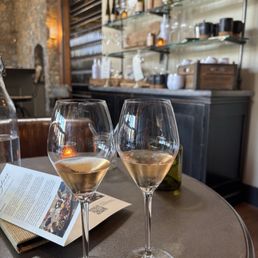

It was my birthday, and my husband, who usually drinks beer, graciously came to a wine tasting with me. We were greeted warmly and guided through our four-glass tasting by a friendly, knowledgeable server. They even started us off with a complimentary sparkling wine, which was such a nice touch. The tasting room is modern and welcoming, and everyone we met was friendly. Out of the four wines we tried, our favorites were the Chardonnay and the Party Drink Pinot Noir. It was a perfect birthday treat and a five-star experience!


My husband and I visited Pangloss Cellars about a year ago for a tasting and were immediately won over by our amazing host, Alissa. Her warm, compassionate approach made the entire experience feel personal and genuine, so much so that we signed up for a membership on the spot. It's honestly one of the best wine club decisions we've ever made. Pangloss is family-owned, and that spirit is felt every time we visit. The staff not only remember us, they ask about our family, our travels, and even remember special dates. It truly feels like a second home. The location is another huge bonus: right on the Sonoma Square, where you can legally sip your wine outdoors. Surrounded by top-notch restaurants, friendly locals, and gorgeous weather, Pangloss offers a one-of-a-kind tasting room experience that we can't recommend highly enough. Every visit is memorable, and every pour is a reminder of why we joined. Cheers to many more years!


We were visiting Sonoma on Saturday, we had some early mornings than ended up early and someone local recommended this spot, when we walked in they were very welcoming, we got offered a table but we rather sit in the bar, and I'm so glad we did! We had a blast! We really needed this time to relax and enjoy ourselves, I think we stayed (overstayed) for about 4 hours, Carmelita was amazing, she really walked us through Sonoma and Moon mountain. The whole staff were also friendly and they look like they enjoy what they do, they were awesome! It was a first for us, we usually go to Napa for wine tasting but this experience was completely different and the wine was delicious!!! I specially love their Pinot Noir and My husband loved their Merlot 19' . We even became members and now we have a reason to come back and visit Sonoma. Looking forward to the next visit, thank you for making our day, what was meant to be a boring meeting ended up being the highlight of our weekend! Cheers


Courtney took great care of us today. So friendly and informative, we had a great discussion of how the growing conditions of the vines influence the taste of the wines. Wonderful Wines - we will be back.


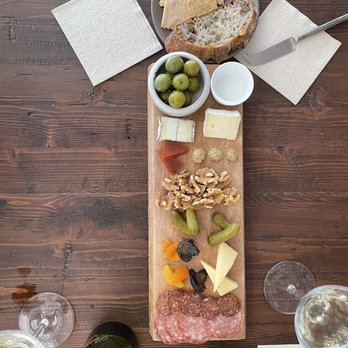
Wife and I visited on a last minute decision to take a weekend motorcycle trip to Sonoma. We were expecting a vineyard environment rather than a tasing room (Sonoma was new for us, traveling from South Bay) but we were taken by the small town vibe and decided to give it a shot. The hostess greeted us (I forgot her name sadly!) and helped us get settled at a table, being professional and yet casual at the same time (this is difficult to balance, but she did it well). Not to be outdone, our host Aiden also displayed a strong tact and wit as he described each if the wines we sampled in turn, presentation being well rehearsed and polished. My wife and I sampled both sets of wines on offer (Classic and Optimist), being allowed to sample each other's flight as well as our own, which gave us a broad range of flavors. The cheese and charcuterie board we ordered up also complimented the wines and was a good way to help give our stomachs something to keep busy on. All in all, we loved our experience, and would very much recommend Pangloss if you're in the area!


Service, ambiance and quality of the wine was top notch. We had a wonderful host who made us laugh and feel great. She looked like Wonder Woman!!! I would go back to this venue just to see her again.


Great experience, friendly staff, wine was delicious and we left with a bottle after a 2 hour tasting. We didn't finish in the 90 minutes but were allowed to move to a high top to finish. Our server providing us with a few additional tastings off menu based on our conversation. Highly recommend.


While they say they take walk-ins, I highly recommend making a reservation. The staff seemed disheveled to the point we were sitting there for ten minutes before we were acknowledged. Once we were, the tasting was quite nice. There was a wide array to taste, and all around the room it seemed everyone was getting the charcuterie or caviar boards to accompany their wine. Beautiful Sonoma Square tasting room, but plenty of others in the area with better quality.


I visited pangloss with my friend one Saturday. We arrived shortly before they opened but once we stepped inside it was so welcoming! There is beautiful exposed stone on one wall and it had super cute fall decorations everywhere. We did a tasting and ordered a charcuterie board. The charcuterie was very tasty. The wines were very nice as well! The brut rose was one of my favorites as it was very refreshing. I also really enjoyed their cab franc. At the end of our tasting they brought out the cutest little churro! It was not my favorite but it was a very sweet touch. I will definitely be back next time I'm in Sonoma!


This tasting room is outstanding! My wife and I did not make reservations because we intended to order a glass of wine and the charcuterie board for lunch. The atmosphere is amazing. It's in downtown Sonoma, but when you walk inside you are transported to a different place. It's like being in a modern Italian villa. It's quiet and relaxing. We sat at the spacious bar. Jose took wonderful care of us. He was attentive, caring, and generous. Through conversation, he gave us a guided tasting as he let us try several different wines in addition to the Cabernet we ordered. He was so smooth that we purchased a membership before we left! We loved their Cabernet and Pinot Noir. BTW, the charcuterie plate was excellent too. This is a must-stop, especially if you want wine by the glass.
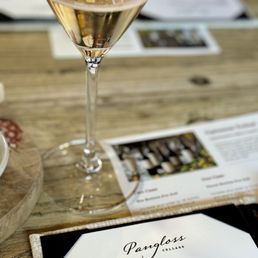

Everything about Pangloss Cellars is what you would expect from the hospitality of Sonoma. From the warm smile of Maddie at the door, to the hospitality and knowledge of Jose and Alisa, Pangloss delivers a warm welcome and positive experience to novice and wine conosiuers alike. Be sure and add a Cheese and Charcuterie board!


8 years ago
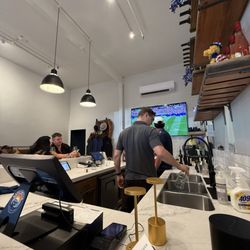
Wine tasting does not typically have a lot in common with the practices of mindful spiritual and philosophical inquiry. That's probably not what Robert Mondavi meant when he extolled the virtues of the wine country lifestyle. But Sonoma always tends to do things a bit differently than Napa, and at Pangloss Cellars, this is readily evident. For starters, it's a wine cellar, not a vineyard or winery. The wines are made off site at a Moon Mountain facility (with caves for aging) using grapes sourced from Sonoma Valley and parts beyond, including Anderson Valley, the Alder Springs Vineyard in northern Mendocino County, and the west Sonoma Coast (which may soon become its own AVA). The winemaker, Erich B., is granted freedom to experiment with his wine technique and fermentation and aging styles, resulting in wines that prompt you to ponder, not party. It brings out the cerebral side of wine in addition to the sensual. I guess this is what happens when you take courses in intellectual history and philosophy at UC Irvine before being initiated into the winemakers' guild by training with Sonoma legends like Arrowood and Ramey; you are inspired not just by science and technology but also by the full panoply of the humanities to create a memorable cultural artifact rather than a mere commodity for the luxury market. The classic bar tasting here, $25 for 5 wines, is best prearranged by phoning ahead of time to secure your spots facing the central heart of the stone walled tasting room, with a living olive tree emerging from the core. Around you are leather couches and comfortable looking armchairs where the more Epicurean inclined guests come to enjoy food and wine pairings or wines by the glass. The Stoics should stick to the bar, at least on their first visit, to truly appreciate the wines, which will evolve in the glass as the tasting proceeds. The Freemasons and Mystics are probably hiding out in the members-only Cellar tasting lounge in the back, or discussing the merits of Pommard versus Calera clones at the speakeasy style Texture tasting room (Chardonnay and Pinot only). As far as the bar experience goes, meticulous attention to detail is key. Each of your pours will be served in its own, varietal specific glass. Pinot and Chardonnay get globe shaped stemware, while Bordeaux, Rhône, and New World wines like Zinfandel come in taller glasses that narrow at the top. Water glasses are polished sections of old dark glass wine bottles. Your menu and tasting notes come on textured paper that is pleasant to the touch. The lighting is a mixture of natural light from East Napa Street and select fixtures like minimalist chandeliers. Music was muted, and extraneous conversation noises were dispersed by high ceilings and absorbed by non-reflective, noise cancelling surfaces, creating a library-like calm on the Saturday afternoon I visited. Books, painted pictures, and old photographs decorate the walls, but not to the point of overstimulation. Aggressive marketing materials, pandering wine critics' scores and reviews, and the standard array of wine tasting room collectibles were also absent. There is a sleek, salon-like feel to the space that evokes the 18th century Enlightenment era that inspired the Pangloss name, from Voltaire's famously wicked satire, Candide. The wine club is called the Optimist Society. Try doing any of this in Paso Robles or Napa. It just wouldn't fly. Pangloss wines are limited in production and many are available to members only. The ones that guests can buy are larger production but still small runs of Pinot, Chardonnay, Zinfandel, and Cabernet. Access to the esoteric wines requires more commitment than a single visit, so start easy and see if you respond as positively to the Pangloss Weltanschauung as I did. Just leave the pessimists at home! If you like wines made by Broc Cellars, Forlorn Hope, Mathiasson, Wind Gap, Drew, or Sean Thackeray, you'll probably be happy here at Pangloss, and your more open-minded friends will too. The wines here, while conversation-inducing, are more accessible than fundamentalist styles of natural wines made with high acid, spontaneous fermentation, low alcohol, and limited oak, but traditional, big and bold Sonoma Valley wines these aren't exactly, either. A pilgrimage to Pangloss Cellars is highly recommended if you are feeling exhausted by more typically made, mass market wines or if you are simply looking to broaden your horizons into the world of single vineyard, small batch ultra premium wine that is priced well for the quality of the product being served. Enough to make an optimist out of almost anyone who worries about the future of Californian wine in a age of changing climates and consumer preferences. read more


4 years ago


I love the ambiance of Pangloss Cellars. It feels like you just stepped into a Restoration Hardware magazine! We have visited a couple of times and they have a fantastic pairing menu, especially if you love Cabernet. You can also just opt for a glass instead of a flight. I have ordered a glass of their Cabernet blend and it has always been fantastic. The service is attentive without being obnoxious and the entire experience is just a treat. Worth a visit if you have never been. read more


8 years ago
Beautiful tasting room, with friendly knowledgeable staff. We tasted the reds and were not disappointed. They also offer food pairings. They are great for groups. Centrally located across from Sonoma Plaza. This is a most stop! read more


8 years ago

5 years ago


5 years ago

8 years ago

5 years ago

5 years ago
Beautiful set up in and outside. Great knowledge and help pairing wines with food and all the goods a wine tasting needs! Some of the best service in Sonoma! read more
3 years ago

5 years ago

9 years ago


7 years ago
Pangloss is a beautiful winery with a tasting room in the downtown Sonoma square area. This winery was referred to us by a neighboring winery and everything they told us was spot on. The only thing we weren't expecting is for the place to be super crowded and so we actually weren't able to get in on our first attempt. Second time around and with a reservation, we got the pleasure of tasting some great red wines at the bar. I decided to join the wine club, which gives you exclusive access to some very fine wines and (free!) future wine tasting. I've only been a member for a little under a year, but my experience has been wonderful thus far. We've come back for tastings in their hipster classy lounge area and have enjoyed the service. They allow you to customize your wine selection (not all wineries allow this) and offer select wines only to members. They don't offer discounts on their wine but are comparable to other wineries their size. read more


6 years ago
This review is for a tasting of Texture wines. It's a small production label under the same umbrella as Pangloss and consists of Pinot Noir and Chardonnay. The tasting takes place in one of their private back rooms and I'm pretty sure you need to call to set up an appointment as it's not a "walk in" kind of experience. My friend is a club member of "Texture" and invited me to try the wines. I'm very skeptical of California Chardonnays as they aren't really my cup of tea anymore but, thought I'd give Texture a shot because my buddy has solid knowledge of what's legit and what isn't. If you're reading this, props Kyle. The tasting itself consisted of four wines (two chardonnays, two pinot noirs). Each of the wines were paired with a small bite from their chef ranging from caviar to foie gras and they were all heavenly! As far as the wine goes, the Chardonnay was some of the best I've had in recent memory. I would close my eyes, take a sip and try to distinguish the difference between the Puligny Montrachet that it reminded me of, and guess what? They were pretty damn close. Moral of the story, if you're a fan of French (old world) Chardonnay, then check this place out. Bravo Texture, you've gained a club member. See you soon. read more


9 years ago
This place is phenomenal and so welcoming. We had a grape day - the wine is fantastic, the people really know their stuff and they made our experience in Sonoma beyond exceptional. Highly recommend trying their wine flights and food complements tastings. read more


9 years ago

7 years ago


7 years ago
Loved it; all 8 of us. We have very diverse opinions & tastes but everyone agreed this was out favorite place by far. Ethan was our host; he was outstanding. Our group learned so much about wine, tasting & glass section. Definitely a MUST when visiting downtown Sonoma. read more


7 years ago
4 years ago


8 years ago
7 years ago


11 years ago

7 years ago

7 years ago

11 years ago

8 years ago
More info about Pangloss Cellars
35 E Napa St
Sonoma, CA 95476
Directions
(707) 933-8565
Call Now
Visit Website
http://www.panglosscellars.com/
Hours
Payment methods
Food & Alcohol
Services
Indoor Amenities
Outdoor Amenities
Other Amenities
From the Business
More Info
Health Score

Pangloss Cellars Reviews in Other Languages
Ask the Community - Pangloss Cellars
Review Highlights - Pangloss Cellars










Why does Yelp recommend reviews?


Pangloss Cellars - winetastingroom - Updated August 2026
Best of Sonoma
People found Pangloss Cellars by searching for…
Trending Searches in Sonoma, CA
Asian Fusion near Pangloss Cellars
Chinese Buffet near Pangloss Cellars
Cinnamon Roll near Pangloss Cellars
Cocktails near Pangloss Cellars
Dog Friendly Restaurants near Pangloss Cellars
Healthy Food near Pangloss Cellars
Lobster Roll near Pangloss Cellars
Margaritas near Pangloss Cellars
Mediterranean near Pangloss Cellars
Sandwiches near Pangloss Cellars
Browse Articles
Browse Nearby
BEST of Sonoma, California Restaurants near Pangloss Cellars
BEST of Sonoma, California Coffee near Pangloss Cellars
BEST of Sonoma, California Things to Do near Pangloss Cellars
BEST of Sonoma, California Vineyards near Pangloss Cellars
BEST of Sonoma, California Breweries near Pangloss Cellars
BEST of Sonoma, California Hotels near Pangloss Cellars
BEST of Sonoma, California Pinot Noir near Pangloss Cellars
BEST of Sonoma, California Cave near Pangloss Cellars
BEST of Sonoma, California Private Driver near Pangloss Cellars
Browse Brands
Related Searches in Sonoma, CA
Best Wine Flights to Try in Sonoma, California
Book a Wine Pairing Dinner in Sonoma, California
Book a Winery Tour Experience in Sonoma, California
Browse Wine Stores in Sonoma, California for Best Varieties
Discover Kids Friendly Winery Options in Sonoma, California
Discover Sparkling Wine Selections in Sonoma, California
Discover Top Wine and Cheese Bar Options in Sonoma, California
Discover Wine Bar With Food Options in Sonoma, California
Discover Wineries With a View in Sonoma, California
Discover Winerys to Explore in Sonoma, California
Enjoy Wine and Cheese Pairings in Sonoma, California
Enjoy Wine and Food in Sonoma, California
Enjoy Wineries Serving Food in Sonoma, California
Enjoy Wineries With Music Events in Sonoma, California
Enjoy a Winery With Food Options in Sonoma, California
Experience Wine Rooms and Tastings in Sonoma, California
Experience Wineries With Live Music in Sonoma, California
Expert Wine Pairing Experiences in Sonoma, California
Expert Wine and Food Pairing in Sonoma, California
Explore Brewery Restaurants in Sonoma, California
Explore Dog Friendly Wineries Around Sonoma, California
Explore Family Friendly Wineries in Sonoma, California Nearby
Explore Natural Wine Selections Near Sonoma, California
Explore Popular Wine Bars Around Sonoma, California
Explore Popular Wine Bars Throughout Sonoma, California
Explore Top Happy Hour Specials in Sonoma, California
Explore the Best Wine Tours in Sonoma, California
Fast Wine Delivery Services in Sonoma, California
Find Sweet Wine Selections in Sonoma, California
Find Wineries With Picnic Area Options in Sonoma, California
Find the Best Happy Hour Deals in Sonoma, California
Order a Fresh Charcuterie Board in Sonoma, California
Plan a Winery Picnic Experience in Sonoma, California
Savor Winery Lunch Menus in Sonoma, California
Shop at a Wine Store in Sonoma, California for Fine Choices
Taste Premium White Wine Selections in Sonoma, California
Top Liquor and Wine Store Choices in Sonoma, California
Top Walk in Winery Experiences in Sonoma, California
Top Winery Experiences Available in Sonoma, California
Top Winery Restaurants to Visit in Sonoma, California
Top-Rated Brewery Experiences in Sonoma, California
Tour Beautiful Wineries in Sonoma, California
Tour a Dog Friendly Winery in Sonoma, California
Visit Scenic Outdoor Wineries in Sonoma, California
Visit Top Wine Vineyards in Sonoma, California
Visit Wineries for Large Groups in Sonoma, California Today
Visit a Winery With a View in Sonoma, California
Visit the Best Indoor Winery Locations in Sonoma, California


