
Sapori Napoletani Photos


Business Info
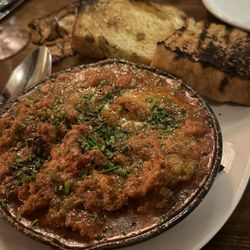
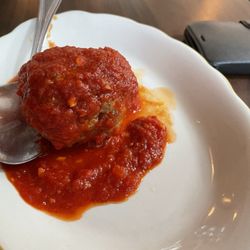
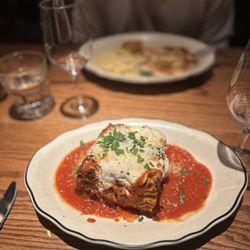
Sapori Napoletani Popular Dishes


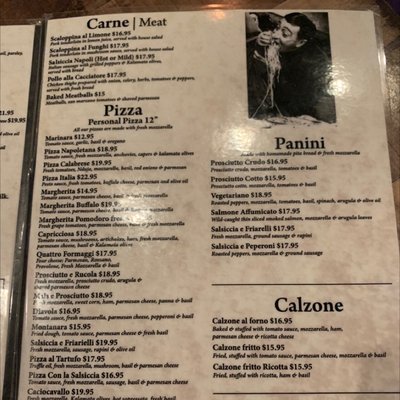
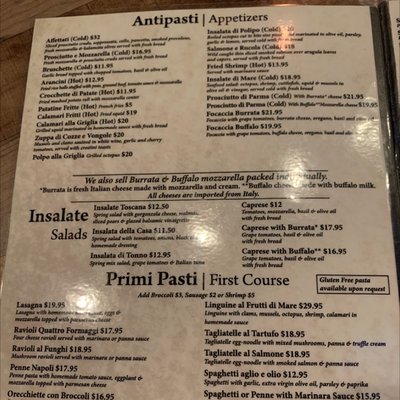
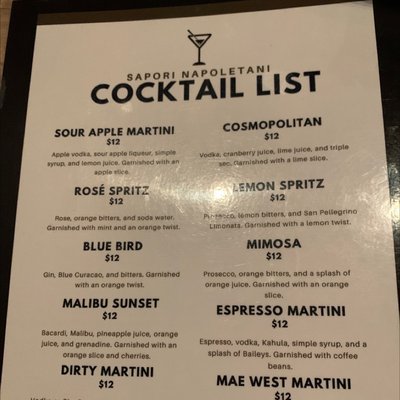
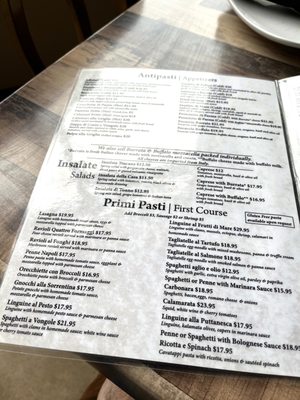

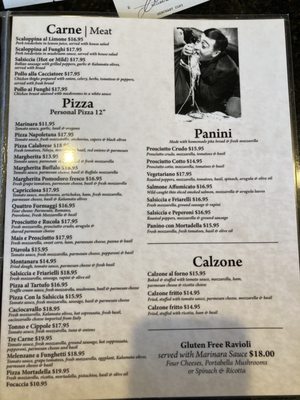

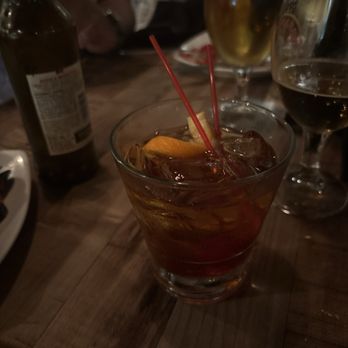
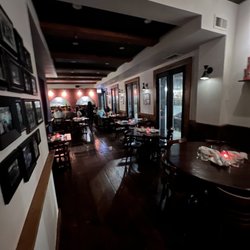
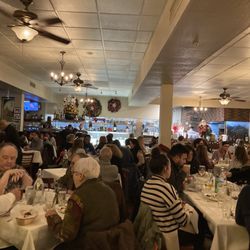
SAPORI NAPOLETANI ATMOSPHERE


You might also consider


More like Sapori Napoletani
Recommended Reviews - Sapori Napoletani
Start your review...

Reviews With Photos

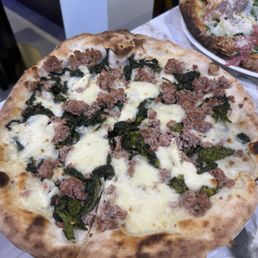
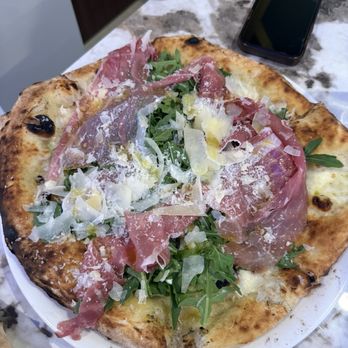
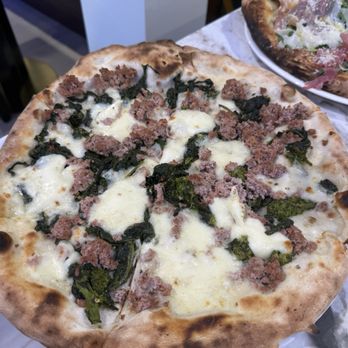
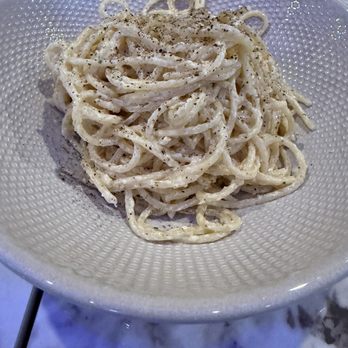
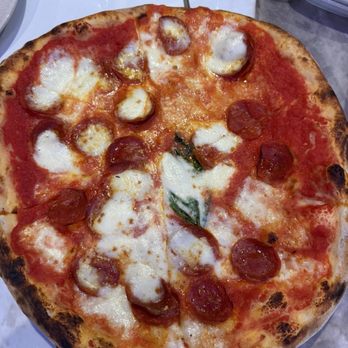
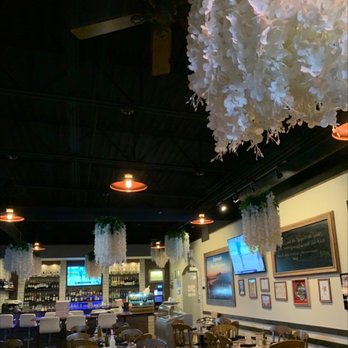
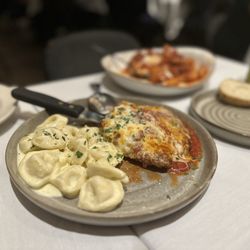
Visited the new location for a friend's birthday! The space inside is beautiful and very upscale Italian. Our service was a bit slow, but understandable as some of the staff is new. The highlight of our meal were the pastas - the table-side cacio e Pepe was a fun experience and SO delicious. The other standout was the chicken parm. The dough for the pizzas was soft and cooked to perfection. I preferred the red sauce pizza, and would skip the broccoli rabe next time. Overall, a great dinner and place to celebrate!

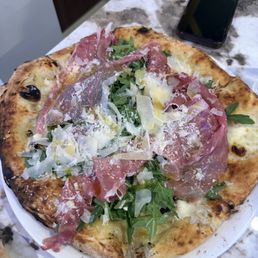
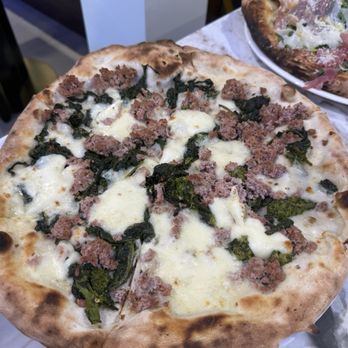
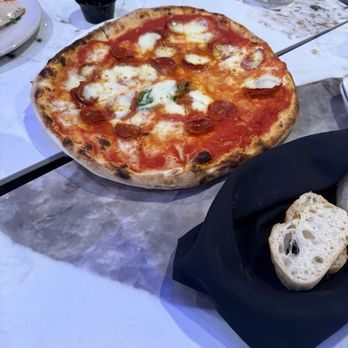
We tried Sapori Napoletani for a friend's birthday. It is so cute on the inside and has beautiful decorations. It apparently opened recently and it was fairly obvious as the service was a bit slower at first. The food made up for it. I recommend almost everything we got! The pizzas were delicious; however the salsiccia and friarielli was quite bitter and the sausage was kind of dry. The prosciutto and arugula was one of the best pizzas I've had! The arancini was delicious as well. Loved the cacio e Pepe pasta with the aged Parmesan, even got a little show! The drinks were on the strong side, but pretty good. I would definitely come back and recommend this place but maybe in a couple months when things are more settled.
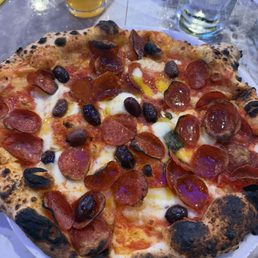


Sapori Napoletani has a nice atmosphere and the brick oven Neapolitan-style pizza concept is great. The service was good overall, and the busser deserves major recognition -- she was on top of everything and really stood out in a positive way. As for the food, this visit wasn't the best. The gnocchi was overcooked and the pizzas were undercooked on the bottom. Flavor was there, but the execution needs improvement -- I would honestly rate the food closer to 3 stars. Still giving 4 stars overall because of the potential, the ambiance, and the strong service support. If the kitchen tightens up the consistency, this place could easily hit 5 stars in the future.


I loved carbonara from here! All the other food was wonderful too. I saw tubs of nutella in the kitchen.. we ordered nutella pizza for dessert-it was surprisingly good. I thought it would be grossly sweet but with this dough on it, it was good!


My husband and I came to this restaurant after reading in Chicago magazine that they had the best Neapolitan pizza in Chicago. This 5 star rating is 100% because of that AMAZING pizza. We loved it and I cannot wait to go back there and have it again. This restaurant was in a strip mall and most of the clientele looked like local families. We had no difficulty getting a table and the service was fantastic. My husband commented that they clearly trained their staff very well as they were super attentive, polite, and efficient. They also give you bread on the table with olive oil before your meal. We ordered the Insalata della casa, and they were super accommodating, taking the olives out of the salad for us. It came with a homemade balsamic dressing that was so sweet and good. (it made me want to go home and make a similar dressing). We also shared the spaghetti marinara and Margherita pomodoro fresco pizza. While we initially thought that the pasta didn't look like a very large portion, the amount of food we ordered was perfect for two people. The spaghetti marinara was very good and the sauce was a sweet red tomato sauce, and the pasta was cooked perfectly. The highlight of the evening was clearly the pizza. I cannot even describe to you how perfectly delicious it was. The sauce, tomato and basil combination, with the delicious crust, was just perfection. I could eat that pizza every day of the week. I can't say I am an expert on Neapolitan pizza, but after this experience, I'm a huge fan. This is a definite restaurant to try. You will not be disappointed with this pizza.


19 days ago

1 month ago

2 months ago
1 month ago

27 days ago

2 months ago
Visited the new location for a friend's birthday! The space inside is beautiful and very upscale Italian. Our service was a bit slow, but understandable as some of the staff is new. The highlight of our meal were the pastas - the table-side cacio e Pepe was a fun experience and SO delicious. The other standout was the chicken parm. The dough for the pizzas was soft and cooked to perfection. I preferred the red sauce pizza, and would skip the broccoli rabe next time. Overall, a great dinner and place to celebrate! read more


4 days ago

2 months ago
We tried Sapori Napoletani for a friend's birthday. It is so cute on the inside and has beautiful decorations. It apparently opened recently and it was fairly obvious as the service was a bit slower at first. The food made up for it. I recommend almost everything we got! The pizzas were delicious; however the salsiccia and friarielli was quite bitter and the sausage was kind of dry. The prosciutto and arugula was one of the best pizzas I've had! The arancini was delicious as well. Loved the cacio e Pepe pasta with the aged Parmesan, even got a little show! The drinks were on the strong side, but pretty good. I would definitely come back and recommend this place but maybe in a couple months when things are more settled. read more



11 days ago
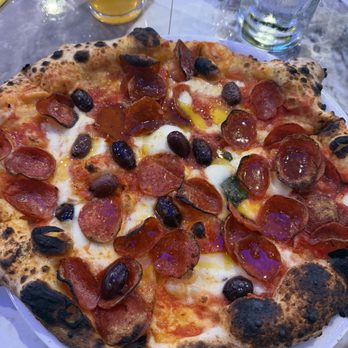
Amazing, wonderful, delightful, delicious... staff is well prepared and welcoming, service is rapid and complete, pizza is true Neapolitan style. And the ambience is just amazing. Well done. read more

11 months ago
Sapori Napoletani has a nice atmosphere and the brick oven Neapolitan-style pizza concept is great. The service was good overall, and the busser deserves major recognition -- she was on top of everything and really stood out in a positive way. As for the food, this visit wasn't the best. The gnocchi was overcooked and the pizzas were undercooked on the bottom. Flavor was there, but the execution needs improvement -- I would honestly rate the food closer to 3 stars. Still giving 4 stars overall because of the potential, the ambiance, and the strong service support. If the kitchen tightens up the consistency, this place could easily hit 5 stars in the future. read more
2 months ago
18 days ago
28 days ago

2 months ago
2 months ago
2 months ago
2 months ago


I loved carbonara from here! All the other food was wonderful too. I saw tubs of nutella in the kitchen.. we ordered nutella pizza for dessert-it was surprisingly good. I thought it would be grossly sweet but with this dough on it, it was good! read more


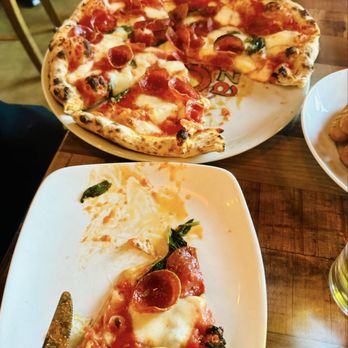


My husband and I came to this restaurant after reading in Chicago magazine that they had the best Neapolitan pizza in Chicago. This 5 star rating is 100% because of that AMAZING pizza. We loved it and I cannot wait to go back there and have it again. This restaurant was in a strip mall and most of the clientele looked like local families. We had no difficulty getting a table and the service was fantastic. My husband commented that they clearly trained their staff very well as they were super attentive, polite, and efficient. They also give you bread on the table with olive oil before your meal. We ordered the Insalata della casa, and they were super accommodating, taking the olives out of the salad for us. It came with a homemade balsamic dressing that was so sweet and good. (it made me want to go home and make a similar dressing). We also shared the spaghetti marinara and Margherita pomodoro fresco pizza. While we initially thought that the pasta didn't look like a very large portion, the amount of food we ordered was perfect for two people. The spaghetti marinara was very good and the sauce was a sweet red tomato sauce, and the pasta was cooked perfectly. The highlight of the evening was clearly the pizza. I cannot even describe to you how perfectly delicious it was. The sauce, tomato and basil combination, with the delicious crust, was just perfection. I could eat that pizza every day of the week. I can't say I am an expert on Neapolitan pizza, but after this experience, I'm a huge fan. This is a definite restaurant to try. You will not be disappointed with this pizza. read more


3 years ago
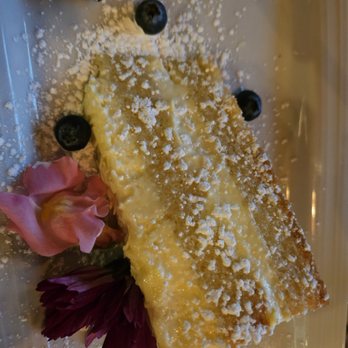
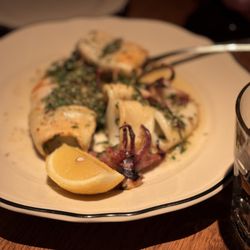
The best pasta con fruti di mare and IL polpo grigliato I've had anywhere in Chicago, and exactly the same, if not better than I've had in Naples. #2 would be at a restaurant in Mondello (Palermo) Sicilia. (Forgot the name) 10 stars! Buonissimi! BRAVI! P.S., I'm tired of reading some people's comments whining about, "the Pizza needs to be cooked more" or "it's wet" If you eat Sushi do you complain about that? This is how authentic wood burning or brick oven Pizza is made - usually at about 900 degrees, and it cooks in about 2 minutes or less. This is not Giordano's, it's not Domino's, it's not Gino's, and it's not Little Cesar's. If they cooked it any longer, it would be so burnt you would be complaining even more. Go to an American pizzeria that does not have a wood burning oven, import their flour or tomato's from Italy, and use waxy textured processed mozzarella that barely melts - and tomato products that usually contain high amounts of HFCS. The Margherita we had was cooked to perfection, had amazing flavor, and made exactly the same way pizza is made in Napoli, like "Pizza da Michele", Pizza Bandi, Trianon, or Pizza Sorbillo." They have locals waiting up to and over an hour in some cases to get into Pizza Da Michele - but please don't go to any of these places, you won't like the pizza. read more




1 year ago
1 year ago

3 years ago
I have driven by this place about 8,000 times and never paid much attention to it so when my BF suggested we go there, I was happy to give it a try! There is easy parking in a lot right in front. The ambiance is simple and cozy with a plentiful amount of tables. It has a family owned vibe which I appreciate. We each ordered our own pizza and equally enjoyed them. One veggie + arugula and one pepperoni + olive. A nearby table ordered a salad and I will definitely do the same next time as it looked large and fresh! I'm so glad to have this in the neighborhood and will certainly be back again soon. Thank you. read more


1 year ago

2 years ago

2 years ago

2 years ago

2 years ago

8 years ago
This is authentic Neapolitan pizza. My father is from Naples, I have been to Naples on several different occasions, and this pizza stands right next to the pizzerias there. I have had pizza in other Italian cities that pales in comparison to this pizza. We typically only order pizza, and appetizers when we dine here so I cannot comment on many of the items coming from the kitchen. But, I would say that the pizza is definitely the focal point of the restaurant. It is a small, family run restaurant. It is minimally decorated, and clean. The pizza is made out in the open with the gorgeous wood burning oven being the centerpiece of the pizza making area. The owner trained in Naples to learn how to make this pizza, and built his wood burning oven himself with bricks imported from Italy. I don't know if you can get much more authentic than that. Staff is friendly, and accommodating. Some of the servers are younger, but they try very hard to do a great job. Sometimes they can get a bit flustered if they are super busy, but nothing has ever been incorrect with my order. The parking situation is a bit of a mess, but it's in a strip mall in Chicago so not entirely too sure how that is the fault of the restaurant. There is also parking on the street if the lot is full. The ingredients are always fresh, and full of flavor. The cheeses are decadent, and imported straight from the source. My two favorite dishes are the burrata focaccia, and the pizza with mozzarella di buffalo. Both dishes in theory are very simple, yet much can go wrong if a restaurant does not meld the flavors properly. Both dishes are absolutely delicious. Two other of my family's favorites are the prosciutto e arugula pizza, and the caciocavallo pizza. The pizze no matter which you choose are always cooked well, and the dough (which is the secret to what makes the pizza) always is of great quality and flavor. This pizza so delicious. If you somehow manage to save room for dessert the nutella pizza is to die for. It is so sinfully delicious. Honestly sometimes I think I should skip the regular pizza, and go right to this dessert. I also like the fritelle, but this is a very simple dessert made of fried sweet dough and sugar. Fritelle is an actual traditional Italian dessert if you are looking to keep the experience authentic. If you are looking for an authentic Italian pizza experience in Chicago look no further than Sapori Napolitani. read more


2 years ago

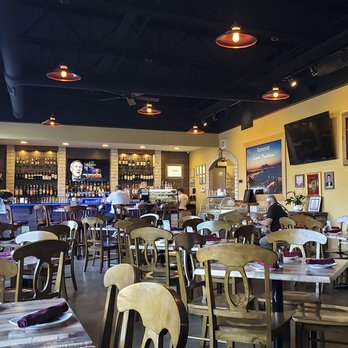
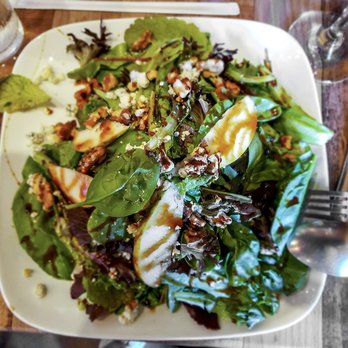
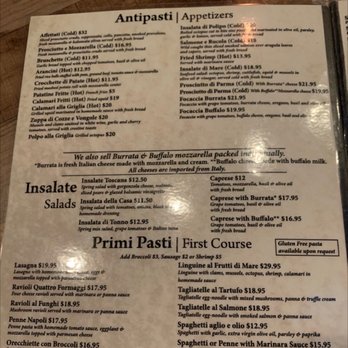
Take a family-owned restaurant, add the finest and freshest ingredients, blend with uncompromising authenticity, and you have a recipe for excellence. The industrial-mod décor is unremarkable and the seats are almost as hard as the concrete floor. But here, in the words of legendary restaurateur Don Roth, "The food's the show." The dining room features an open kitchen where you can watch Chef/Owner Antonio Vitello perform his culinary magic. This restaurant appeared on the TV show, "Check, Please!" A remarkably varied menu offers cold and hot antipasti, salads, pastas, pork tenderloin, chicken, pizza, panini, calzone, and desserts (this is not an Italian steakhouse). A separate beverage menu lists reasonably-priced wines. Undecided amongst several tantalizing items but always willing to share and take leftovers home, our party splurged and feasted on Insalate Toscana, Lasagna, Spaghetti Aglio e Olio with shrimp, Salsiccia Napoli, Salsiccia e Friarielli Pizza, Calzone al Forno, Gelato, and Cannoli. All of this is classic Neapolitan cuisine, not Americanized Italian food. The former's recipes are simpler with fewer ingredients, and flavors are fresh and robust with a minimum of seasoning or fuss. Plating is simple (no garnish or sides) and portions are large enough to share. When writing about restaurants, I like to focus on one or two particular menu items that stand out. But this time I'm in a quandary because everything we tasted was equally marvelous. Service really does slow down when the restaurant gets busy, so try to avoid peak times to ensure the best experience. read more



4 years ago
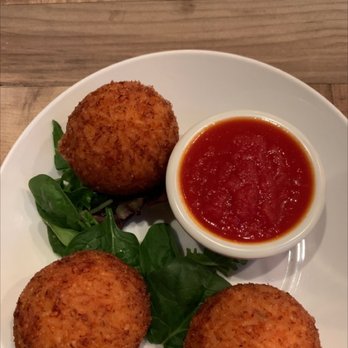
Thank you YELP community! We were heading into the city and traffic was over an hour so we decided we would get pizza somewhere closer to home. I hopped on YELP and found great reviews for Sapori Napoletani. I'm into supporting LOCAL small businesses so we decided to give Sapori Napoletani try based on reviews I read. Yay yay yay! YELP! This is a neighborhood gem located in a strip mall. Plenty of parking out front and a cute family style restaurant inside. We were greeted warmly and seated promptly. After a glass of Prosecco for me and a Peroni for my man we decided on arancini for an appetizer. Okay seriously So good. Deep fried rice balls with a cheese seasoned ground beef and pea center. So unassuming and so delicious. We each ordered a margherita pizza he added sopressetta . Pizza came out fast because Sapori Napoletani has a brick oven. The pizza crust is so tender it's kind of mind blowing. It's not like a typical Chicago style pizza with a crisp flat crust. It's more of a Italian flare. Family owned, fresh ingredients lovingly made. Super attentive service and the best cannoli eVer! read more





2 years ago
2 years ago

3 years ago
Page 1 of 7
More info about Sapori Napoletani
8235 W Irving Park Rd
Chicago, IL 60634
Dunning
Directions
(773) 628-7894
Call Now
Visit Website
https://www.saporinapoletani.com
Full menu
Hours
Payment methods
Food & Alcohol
Indoor Amenities
Outdoor Amenities
Other Amenities
More Info
Health Score
Sapori Napoletani Reviews in Other Languages
Ask the Community - Sapori Napoletani
Where did they move too?
We moved at 8235 w irving park rd chicago Illinois 60634 and planning to open in June
You might also consider
























Why does Yelp recommend reviews?
14 reviews that are not currently recommended
The reviews below are not factored into the business's overall star rating.

1 month ago

9 years ago
8 years ago
10 years ago
8 years ago

6 years ago
1 year ago
3 years ago

9 years ago
10 years ago
7 years ago
9 years ago

10 years ago


