
Order Toro Sushi Takeout or Delivery
Toro Sushi Photos


Business Info
Toro Sushi Popular Dishes





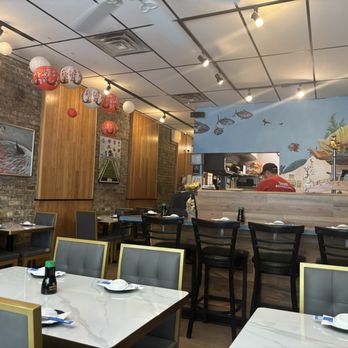
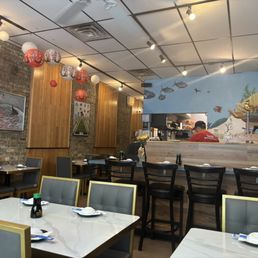
TORO SUSHI ATMOSPHERE

You might also consider


More like Toro Sushi
Recommended Reviews - Toro Sushi
Start your review...

Reviews With Photos


Good sushi, quick service, chill atmosphere and BYOB. Easy date night and I would definitely recommend for some affordable sushi


Toro is the best deal in town if you are good with a mediocre meal. For $ 18.95 you get a feast : pick your choice of protein ( chicken, beef or salmon) and then 2 sides ( we went with the spicy tuna roll and 3 piece sushi). You also get miso soup and salad included. The 3 pieces of sushi and miso soup were the only good things we ate. The salmon was inedible ( raw inside but not in an on purpose sort of way ). The rice was not good ( how do you mess up rice?). The salad was not good - bland with a flavorless watery ginger dressing. The spicy tuna roll was decent at best. The service was fast and friendly. The restaurant was packed so a lot of people likely love the huge portions, great prices, decent sushi and friendly service. Just skip the cooked salmon protein option in the bento box ( and rice?) and you might have a bit better luck than we did. Really wanted to like this place. May give it one more try.


Great quality/fresh sushi and excellent portions!! Ordered using Uber eats towards the end of the night thinking they would just rush my order not putting care into it but wow was I wrong and surprised!!! Only $16.95 and it came with a soup as well!


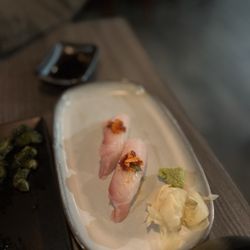
The scallops and mackerel nigiri (or saba - try it torched) here are amazing. Their fish is always fresh. The sushi chefs are skilled and always deliver. It's also BYOB. Highly recommended!


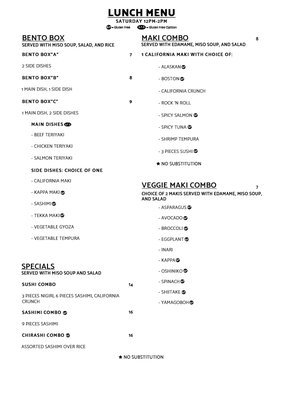
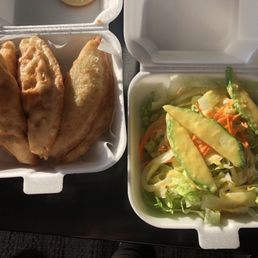
I was this place was open for lunch during the week. Their Bento Box Lunch special is truly something special. I called in the order and was getting packaged up as I was arriving. They really have a great staff here. I ordered two Bento Boxes. One with Beef teriyaki, tekka maki, and a California maki. The other box was chicken teriyaki, kappa maki, and sashimi. The Bento boxes came with miso soup, salad and rice. I also ordered a Volcano maki roll which was very delicious. The beef teriyaki was good, but I preferred the chicken teriyaki. The side rolls were all good, but my favorite was the sashimi. Everything tasted fresh and delicious. I wasn't a big fan of the kappa maki and probably wouldn't order it again. I can definitely see myself coming back to try more of their sushi offerings.


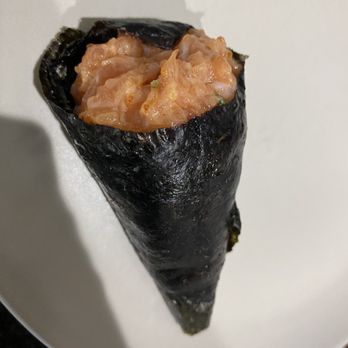
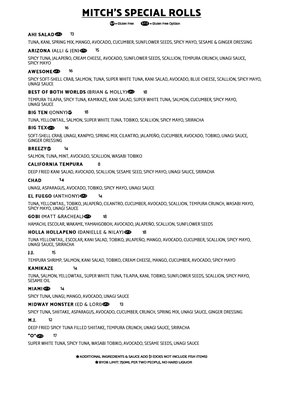
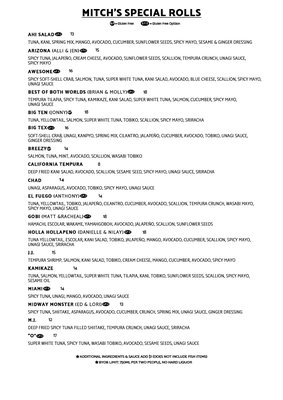
This is a cool lil sushi spot in Lincoln Park. Very small inside with limited seating but it has a good vibe and it is BYOB so that is cool. I didn't know that so I'll have to go back with a group and take advantage of that. Wrestled a bit with this rating, but landing on 3/5 stars. The food itself was a 4.5/5 if not a 5/5 but the service was definitely lacking - 2/5. I ordered multiple items that I had to remind the wait staff of after 10-15 minutes. They were polite about it, but they just seemed a bit spacey and forgot. It was like 8 PM on a Sunday when I stopped in so I guess I'll give them a bit of a pass. Overall, its a great environment for sushi. I sat at the bar and the chef was really funny and super fast. Once my orders actually got in, they came out right away. I will say also that they brought the food out in an interesting order. I got the miso soup like 5 minutes after the first roll, so that kind of threw me off. Normally would want to eat it with the edamame before hand... (sigh) oh well! The food: El Fuego Roll - 4/5 This thing is packed with flavor and had a ton of stuff in it. Surprisingly I think it was one of the cheaper specialty rolls at like $15 so I was happy with it. It is pretty cilantro forward (luckily I like cilantro) but if you don't like cilantro I would definitely steer clear. Overall, loved it. Hamachi hand roll - 4/5 Just a super fresh hand roll. I love yellowtail and they load these things up so it was just really full of the fish flavor. Exactly what I was looking for Spicy salmon skin hand roll - 6/5 I ordered this at the last second after seeing another yelp review about it. Normally wouldn't get salmon skin, but thought I would give it a try... OMG. Absolutely stole the show. One of the best sushi-like dishes I have ever had. Super rich, and packed with umami flavor. Nice kick of spice as well. If I go back, I might just order like 3 or 4 of these and call it a day. Miso Soup - 3/5 I am pretty neutral on miso soup in general, and this one was pretty standard. Absolutely did the job, and I think was only like 3 bucks so no complaints. Edamame - 2/5 very little seasoning and it was like 6 bucks. Feel like it should be standard that sushi spots give this for free. At least they give you a sh!t ton, I was eating these for like an hour. Definitely going to give this place another visit in the future- the Kamikaze roll looked pretty crazy, and want to give it a try.
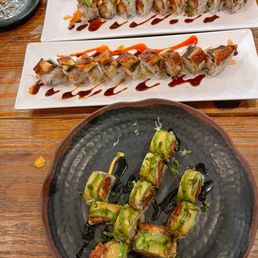

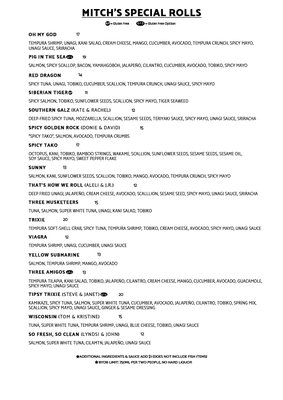
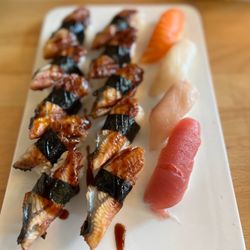
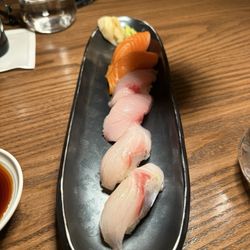
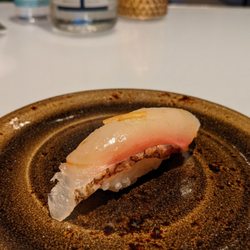
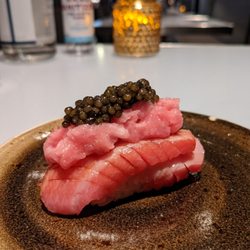
Solid sushi spot! I've been wanting to check this place out for a few years now and just got around to trying it while I had some out of town friends here. The place is small and cozy with only a few tables. It's also BYOB which is always a plus. Service was a bit slower but wasn't a problem. The menu offers so many different items, so there's pretty much something for everyone. The nigiri is very fresh and delicious. I really liked the red snapper! The toro melts in your mouth. The Mackerel is one of the better ones I've tried in the city. The specialty sushi is really good! We all enjoyed it and would definitely come back again. Green mussels - comes with two mussels per shell, super creamy, very saucy and spicy! 4/5 Pig in the sea - 4/5; the bacon is really interesting Trixie - 4/5 Oh my god - 4.5/5 Arizona - 4/5 Halloween - 4.5/5; spicy, I loved the torched flavor Tipsy Trixie - 4.5/5


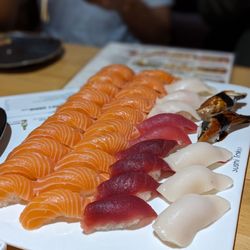
We've been here a few times - most recently on a Tuesday night right when they opened (5PM). I LOVE Toro Sushi! The fish quality is very fresh - I've never had an old piece of fish here. The quantity is also generous, especially for the nigiri/sashimi! We ordered the El Fuego and Awesome roll, and then some nigiri to go with our meal. We scarfed down the rolls; the Awesome is an old favorite of ours and the El Fuego with the heat + fresh cilantro flavor was right up our alley. The nigiri was just awesome. The scallop has a butteriness and slight sweetness you don't get at other sushi places. The ikura were popping eggs of umami goodness and had a nice mouthfeel. The salmon was flavorful and melted in our mouth! Even though their sashimi and nigiri are priced higher than other places, it's SUPER worth it and I can't recommend it enough :) We got there right at open so it was only us and one other table. Our rolls came out quickly and our server was super nice and attentive. We were ogling some hand rolls one of the chefs was making because we were so hungry - they noticed and waved, and we laughed that they caught us. They ended up throwing in some FREE salmon sashimi with our food on the house! The service here was honestly 5 stars! I'm glad they didn't close in COVID. My fiancé and I actually had our first date here, so Toro has a special place in our hearts. Please go here and check it out! You won't be disappointed!


BYOB sushi place (limit is one bottle of wine or a 6-pack of beer for 2 people). Low key environment, no frills. Attentive service. They don't take reservations. There is a sushi bar you can sit at and there was always at least 2 spots open on a Friday night, but keep in mind it is a little bit small. This place has such unique rolls, there is something for everyone. The Trixie roll is a MUST. I'll be back!


This is some of the best and most reasonably priced sushi I've ever had! To start, the place is pretty small. There is definitely going to be a wait, if you go at peak hours. I came at 6:30 on a Wednesday and it was about half full. We were immediately seated, which was really nice. Important note: BYOB!! Looking at the menu, i was pleasantly surprised. There are so many options to choose from. There's classic rolls- which are under $10. Signature maki- which was about $11-$17. Then, there were some crazy rolls with things I never expected to have together. We tried the white tuna crunch and dragon roll. They were great! A little small but for the price I can't complain. Then we tried some signature rolls. We got the Arizona and the three amigos. The three amigos had guacamole with it, which I was a little uncertain about but it came out great! I'd definitely recommend if you're looking for a fun spot to try some new rolls!


Hands down my favorite sushi in Lincoln Park. Lots of veggie rolls. The tamago (egg) nigiri is HUGE and so good. However, takeout on Friday and Saturday nights is a mess. Always at least an hour behind and total chaos - I feel bad for the staff. Either order early before the dinner rush or go in accounting for the delay and you won't be as annoyed. I personally think it's worth the wait, compared to other sushi options in LP.

12 years ago
12 years ago
12 years ago
12 years ago
12 years ago
11 years ago
11 years ago
10 years ago
10 years ago
18 years ago
18 years ago
17 years ago
16 years ago
16 years ago
15 years ago
15 years ago
14 years ago
12 years ago
11 years ago
11 years ago
15 years ago
11 years ago
15 years ago
15 years ago
9 years ago
16 years ago
15 years ago
18 years ago
14 years ago
More info about Toro Sushi
2546 N Clark St
Chicago, IL 60614
Lincoln Park
Directions
(773) 348-7255
Call Now
Visit Website
https://www.torosushichicagoil.com
Full menu
Hours
Payment methods
Food & Alcohol
Indoor Amenities
Outdoor Amenities
Other Amenities
From the Business
More Info
Health Score
Ask the Community - Toro Sushi
Is in door dining available?
As of May 12th it was not. However, with things opening this will probably be available again soon
Can you do a takeout?
Yes, order through phone, online or DoorDash for delivery. Or simply walk in.
Do they offer brown rice as substitute on their sushi rolls?
Only white sushi rice
You might also consider






















Why does Yelp recommend reviews?
101 reviews that are not currently recommended
The reviews below are not factored into the business's overall star rating.

15 years ago


15 years ago


17 years ago

19 years ago

11 years ago

18 years ago

16 years ago
18 years ago

20 years ago
18 years ago
19 years ago


15 years ago
17 years ago

13 years ago

9 years ago

20 years ago
14 years ago


