Services - Harvey The Groomer
Bath and groom only
Harvey The Groomer Photos



You might also consider


More like Harvey The Groomer
Recommended Reviews - Harvey The Groomer
Start your review...


Reviews With Photos


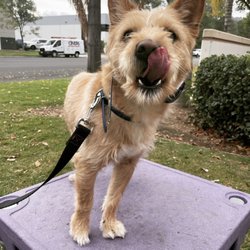
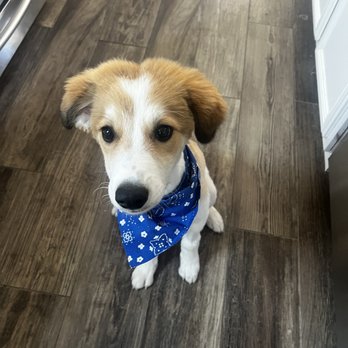
Took our two dogs to Harvey The Groomers today and had a great experience. One of our dogs is an Aussie puppy and the other an older long hair chihuahua. He did a great cut on both of our dogs and paid attention to details. I wanted them Summer cuts and they came out great. Pricing was fair and scheduling was not too far out like the others. I would recommend this groomer and will be using them in the future.


I found Harvey The Groomer by recommendations of neighbors. When I contacted him, he was quick to respond and was able to fit us in within a reasonable timeframe. He was also accommodating to my work schedule. I dropped them off before work and picked them up during lunch break. They came out looking great, exactly as I had asked! We recommend Harvey and will be returning!


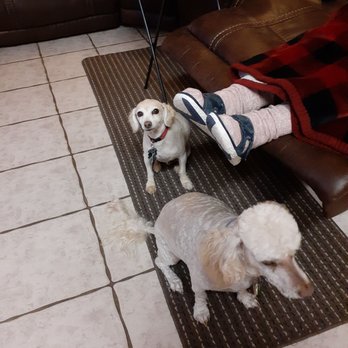
Great groomer did an excellent job on my boys recommend this guy to everyone who needs a great groomer. Covid safe environment


I found Harvey through Facebook. He had awesome recommendations, he's close to home and I thought to give him a try. I'm so happy I did! He did a great job on my girl Charlee. I will definitely be back.

1 year ago

2 years ago
10 months ago

3 years ago
Took our two dogs to Harvey The Groomers today and had a great experience. One of our dogs is an Aussie puppy and the other an older long hair chihuahua. He did a great cut on both of our dogs and paid attention to details. I wanted them Summer cuts and they came out great. Pricing was fair and scheduling was not too far out like the others. I would recommend this groomer and will be using them in the future. read more

7 years ago
I found Harvey The Groomer by recommendations of neighbors. When I contacted him, he was quick to respond and was able to fit us in within a reasonable timeframe. He was also accommodating to my work schedule. I dropped them off before work and picked them up during lunch break. They came out looking great, exactly as I had asked! We recommend Harvey and will be returning! read more


6 years ago
Great groomer did an excellent job on my boys recommend this guy to everyone who needs a great groomer. Covid safe environment read more


6 years ago
I found Harvey through Facebook. He had awesome recommendations, he's close to home and I thought to give him a try. I'm so happy I did! He did a great job on my girl Charlee. I will definitely be back. read more


6 years ago

5 years ago

6 years ago
4 years ago
6 years ago
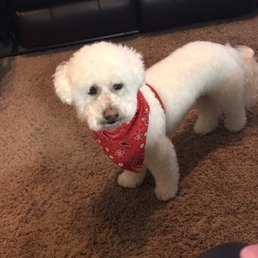
We just moved to the area and had to find a groomer for our Maltipoo. I called Harvey and he fit us in his schedule. When I picked our little guy up he was beautiful. In fact it was a much better job than our previous groomer. Harvey's prices are more than reasonable. We have found our forever groomer. read more
6 years ago