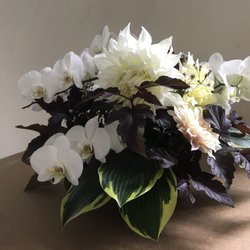
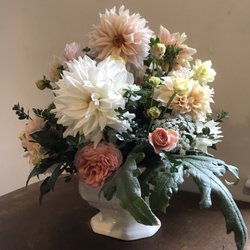
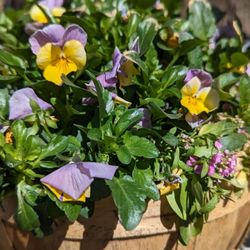
White Flower Farm Photos



You might also consider


More like White Flower Farm
Recommended Reviews - White Flower Farm
Start your review...


Reviews With Photos

Extremely disappointing experience- ordered a holiday cactus for my mother and paid a little over $100 to ensure it arrived intact and on time. The plant that did arrive was tiny and had maybe 4 bulbs total- not at all worth the $60 price. I was shocked and disappointed and ended up having to go hunt for a replacement from a local garden center. Do not waste your money, this seems to be a common issue for folks.


Last. Fall I planted three peonies from White Flower Farm. One was Dr. Alexander Fleming. It has actually bloomed and this is its first year!! So happy.
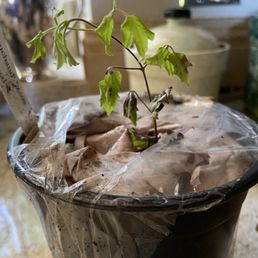

I was utterly shocked to receive a $25.00 clematis that was not only dead and shriveled, but after I carefully unwrapped it, it was severed from the root. I insisted on a refund. The shipping took forever. I won't be ordering again, and I don't recommend you do either.

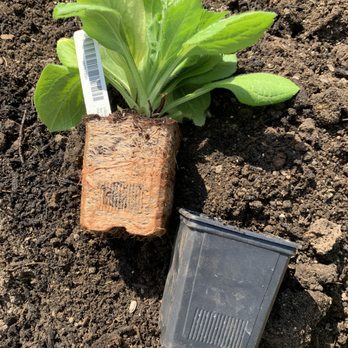
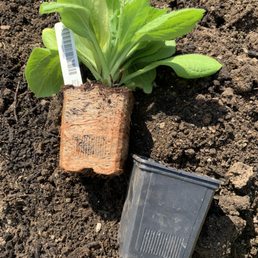
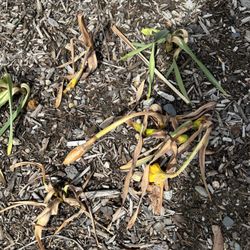
Disappointing experience. Ordered two white Echinacea Plants. They came with soil spilled throughout the box. The plants are lifeless and dried out. They will not survive. The plants are very tiny and one is less than half the size of the other plant. Not worth the cost. Should not have been mailed but shipped with FesEx or UPS.


This is a breathtakingly beautiful nursery and plant store! We went in the first week of August. There were a few things sold out, but since many many nurseries get the plants they sell from White Flower Farm, one can use a visit as a place to be inspired and and create plans for their own landscaping. I felt so full of joy walking through the display walkways. Dogs & picnicking are not permitted.

6 years ago
7 years ago
4 years ago
6 years ago
6 years ago

9 years ago
7 years ago


11 years ago
10 years ago
13 years ago
11 years ago

18 years ago

10 years ago
I purchased 6 peonies tubers online 2 months prior to receiving them. When they recently arrived I was extremely disappointed. Approx. half the order had unacceptable tubers with only 2 eyes (advertised as having 3-5 eyes). Customer service went out of their way to try to rectify the situation. Because they were sold out of the tubers I had ordered, they did give me a 50% refund. I was still in need of replacements and didn't want to wait 5 years to get a flower, so I ordered tubers (same variety) from a competitor, Adelman Peony Farms. They were here 3 days later. Prices were a bit higher on some varieties, but lower on others. The difference between the quality and size was enormous (see pics). APF was far superior. Now I realize how unacceptable ALL the tubers were from White Flower Farms in comparison and should've gotten a full refund. They got 3 stars only for the excellent customer service provided, not the quality. read more


7 years ago
13 years ago
13 years ago

13 years ago
15 years ago
11 years ago
The Nature Hill Nursery is the worst customer experience I ever had . I purchased a bunch of plants from them . They sent me a dead butterfly bush which I called and emailed about numerous times with concern that it appeared to be dead upon arrival. The customer service didn't get back to me and when I finally got someone on the phone they said yes we can replace it at 50% cost plus shipping . Yeah you read it right . I wish I could attach an email they sent . I always order all my plants from nurseries and have a great comparison on how situation like this should and are typically handled. it's not the case with this nursery . Beware of this place order from other nursery . I was very pleased with Fast Growing Tree nursery as they are very attentive and send great healthy plants and stand by their product if plant dies .White Flower Farm is great too . They would never send a dead plant like Natures Hill . Never ordering from Natures Hill Nursery ever again extreme disappointment!!!!!!!!!!! Natures Hill Nursery offers terrible customer service and doesn't stand by their product . read more


15 years ago
9 years ago
12 years ago

11 years ago
7 years ago
8 years ago
9 years ago
8 years ago
11 years ago
13 years ago
13 years ago
11 years ago
12 years ago
12 years ago
10 years ago
13 years ago
11 years ago
11 years ago
10 years ago
10 years ago
More info about White Flower Farm
167 Litchfield Rd
Morris, CT 06763
Directions
(860) 567-8789
Call Now
Visit Website
http://www.whiteflowerfarm.com
Hours
Payment methods
Indoor Amenities
Outdoor Amenities
Other Amenities
From the Business
Ask the Community - White Flower Farm
Review Highlights - White Flower Farm
You might also consider




























Why does Yelp recommend reviews?

White Flower Farm - gardening - Updated September 2026
Browse Nearby
BEST of Morris, Connecticut Restaurants near White Flower Farm
BEST of Morris, Connecticut Coffee near White Flower Farm
BEST of Morris, Connecticut Things to Do near White Flower Farm
BEST of Morris, Connecticut Breakfast near White Flower Farm
BEST of Morris, Connecticut Florists near White Flower Farm
BEST of Morris, Connecticut Campgrounds near White Flower Farm
BEST of Morris, Connecticut Thrift Stores near White Flower Farm


