I am writing this review for people who find themselves struggling after cataract surgery, IOL…read moreimplantation, or blepharoplasty and are being told--explicitly or implicitly--that "everything looks fine" and that they should simply wait it out and "just adapt."
In my case, although the surgeries themselves were technically perfect, the repeated reassurance that my symptoms would simply go away--or that they were things no Doctors on their team had really encountered before--turned out to be completely wrong.
After cataract surgery with IOL implants, I experienced severe difficulty adapting. My vision became extremely sensitive to contrast, light, color saturation, motion, and visual complexity. I suffered from what looked like shimmering or flickering images--especially in my periphery. Environments that had always felt normal suddenly became overwhelming. My ophthalmic surgeons were excellent surgeons, but they openly acknowledged that they did not have tools or training to address what I was experiencing from a neurological or visual-processing standpoint.
After about a month of significant distress, I found Dr. Terry Tsang through ChatGPT--something I never expected to say--and scheduled an appointment.
From the very first visit, it was clear I was in the right place. Dr. Tsang immediately recognized the constellation of symptoms I was describing. What shocked me was not that my case was uncommon--most people adapt quickly to IOLs--but that so many other clinicians had been unfamiliar with these issues at all. She was not.
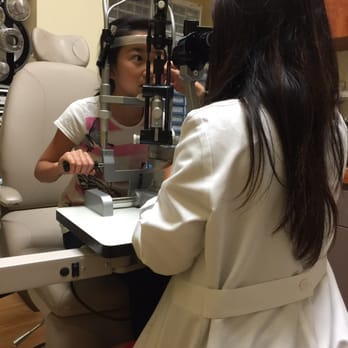
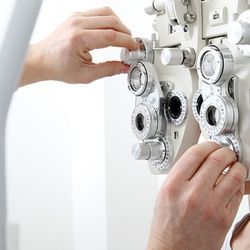
She understood neuro-visual adaptation, post-IOL sensory disruption, contrast sensitivity overload, and binocular coordination problems immediately. More importantly, she had the diagnostic tools, structured therapy protocols, and experienced staff to actually treat them.
I attended one-hour sessions twice a week. Between visits, I was given targeted home exercises. The therapy began with very basic visual retraining and gradually increased in complexity as my system relearned what it had done automatically for more than six decades--convergence, divergence, depth perception, peripheral integration, distance and near coordination. All of these had been thrown out of sync by the sudden optical changes from surgery.
The process was not emotionally easy. For a long time, I wasn't sure it would work, and the visual disruption had a real depressive effect. Dr. Tsang was consistently calm, reassuring, and precise--never dismissive, never vague, and never overly optimistic without reason.
Complicating matters further, I had also undergone upper eyelid blepharoplasty. While it is often said that blepharoplasty does not affect vision, in rare cases it absolutely can. My eyelids opened significantly more--roughly 30%--which meant vastly more light and visual data entering my eyes. My brain, which had become efficient by filtering input for decades, was suddenly overwhelmed. This compounded the IOL adaptation problem and created severe neurological overload.
Once again, Dr. Tsang understood exactly what was happening and adjusted treatment accordingly.
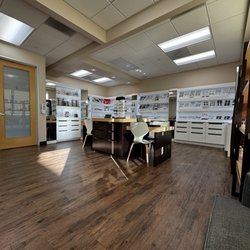
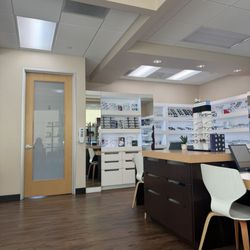
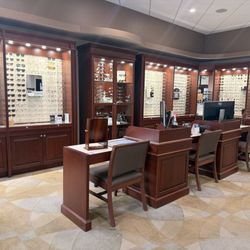
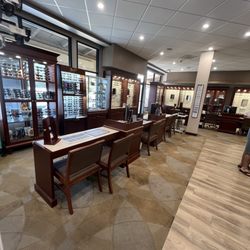
Her staff deserves special mention. They are exceptionally friendly, professional, and highly competent. Being in the office was genuinely pleasant, which made the therapy far less burdensome than it could have been.
After several months, the rehabilitation was complete. I am no longer suffering. My vision feels natural again. The world no longer feels visually aggressive or overwhelming. I have fully recovered.
If you are struggling after cataract surgery, IOL implants, blepharoplasty, or experiencing unexplained difficulty with visual adaptation, contrast sensitivity, light sensitivity, or neurological overload--and you've been told to "just wait"--I strongly recommend Dr. Terry Tsang with complete confidence.
Mike, age 63