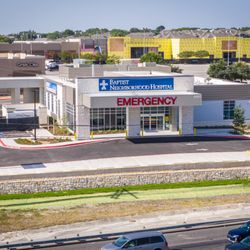
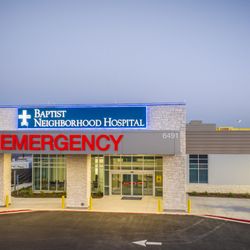
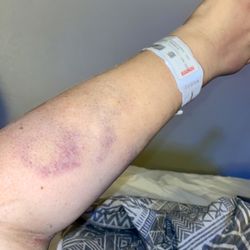
This was my first experience with this hospital, as I am from Arizona, and unfortunately it will…read moreforever be tied to one of the most painful moments of my life. My dad passed away in the ICU here on September 16, 2026, and I left carrying not only the grief of losing him, but also confusion, anger, heartbreak, and so many unanswered questions about how his final days were handled.
I spent three straight days at this hospital sitting by my dad's side, trying to understand what was happening and prepare myself for something no daughter is ever truly prepared for. What made an already unbearable situation even harder was receiving conflicting information from doctors and nurses.
At one point, a nurse gave me information that made me believe there was still hope my dad could make it. Later, a doctor told me that information was incorrect and that I had been misinformed. I cannot explain what it feels like to be given hope about your father's life, only to have it taken away because members of the medical team were not on the same page. When someone's life is involved, families deserve clear, accurate, and consistent communication.
Even after we made the heartbreaking decision to focus on keeping my dad comfortable, we continued receiving different information about his medications, what they were supposed to do, and what to expect during the dying process. At a time when my family needed guidance, reassurance, and compassion, we were often left confused and having to repeatedly ask what was happening next.
The most painful part of my experience involved the nurse caring for my father during his final hours, Julie. I did not feel that she showed the level of compassion, communication, or understanding that a family needs while watching someone they love die. Things were being done without explanation, and we constantly had to ask questions just to understand what was happening.
For approximately the last two hours of my dad's life, he appeared to be struggling and gasping for air. Watching that was traumatizing. I was terrified that he was suffering. I asked Julie if anything else could be done to make him more comfortable or ease what we were witnessing. I was told, "I maxed him out. I can't give him any more morphine, so there's nothing I can do."
As a daughter watching her father take his final breaths, those words were devastating.
The next morning, after explaining what happened to another nurse, I was told there may have been other things that could have been done to help keep him comfortable. Hearing that after my dad was already gone broke my heart all over again. I will always wonder whether his final moments could have been more peaceful.
There were also interactions with other staff members that felt insensitive and unprofessional. I understand that hospital staff see sickness, tragedy, and death every day, but families do not. This was not just another patient in another room. This was my dad. Someone's father, son, brother, uncle, and grandfather. These are moments families carry with them forever.
If you choose to work with critically ill or dying patients, compassion and empathy should never become optional.
I walked into this hospital trusting that the people caring for my father would guide us through the worst days of our lives with honesty, dignity, and compassion. Instead, I walked away grieving my father while also questioning the communication and care we received.
I now have an incredibly painful association with this hospital and would not recommend it to someone I love. A part of me will always wonder whether our experience, and especially my dad's final moments, could have been different somewhere else.
And Julie, I truly hope that if you ever find yourself standing beside someone you love as they take their final breaths, you are met with more compassion, patience, and tenderness than I felt my family received.
My dad deserved dignity. My family deserved clear answers. And during one of the hardest moments of our lives, we deserved compassion.