
Molly's Photos


Business Info


MOLLY'S ATMOSPHERE


You might also consider


More like Molly's
Recommended Reviews - Molly's
Start your review...

Reviews With Photos


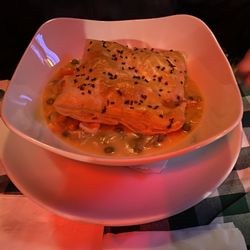
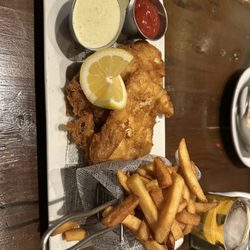
So glad we accidentally found this place. We were lucky to get a seat table last minute at this great place around the holidays. Great vibe as the place was all decked out for the holidays. The service was phenomenal, prompt and everything was done flawlessly. The food was delicious. We all opted for traditional Irish dishes and they were all excellent. I had the Shepherds Pie, my wife had the Chicken Pot pie and my daughter had the Fish & Chips. All three dishes were scrumptious. So glad we could this place, can't wait to go back.

Came to Molly's twice and each time it's was such a pleasant experience. True Irish pub and the FOOD is so good! The hostesses are Irish, and they are super sweet and attentive!! I can't wait to get the chicken pot pie or Sheppard pie next time!! First time I got the cheese burger bc I wanted to be safe and boy was it delicious!! Second time I got the brisket beef sandwich and it was so tasty and fall apart tender!!!


A super old school Irish pub in Gramercy! A great place to come if you're looking for late night food in a cozy and classic setting. I don't know much about the history of Molly's, but it does seem like they have a story. You can tell the staff know the regulars, and the service was excellent. Their menu consisted of many Irish classics, like corned beef and cabbage, and pork sausage and mashed potato. We got the Irish Spice Bag - this is an absolute must order. It comes with fries, peppers, onions, and strips of chicken cutlet with a side of curry sauce - we loved this! And totally shareable. We also got the burger and fish and chips, neither memorable. A must try local spot if you're in Gramercy late night!


Stepping inside this restaurant pub immediately brought a smile to my face! The Christmas lights were strung everywhere and twinkling just right! Unfortunately it was packed so we couldn't get a table inside but we were able to get one in the outside cozy space. I got a pint of Smithwick's as I do at every Irish pub! And opted for the For dinner I chose the Chicken Curry - Tender Organic Chicken Breast, Peas, Curry Sauce. Served with Fries or Rice or Half & Half. It was half and half for me for sure a little rice a little fries what more could you ask for! Carb heaven! The curry wasn't too spicy and the meal was warm and delightful. Definitely what I needed that night!!?

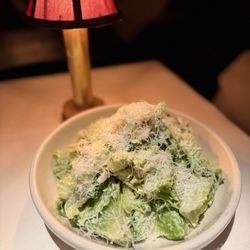
Horrible manager. They brought me a salad with hair and when I asked her to look at it, she just silently took it away and didn't bring it back. Afterwards, we asked the manager who was serving our table to come over and change one order, to which she started to argue with us and point her finger at my six-year-old child, saying that the door is there and you can leave, such an order is outrageous for us, especially on Christmas Eve, which she ruined for us.
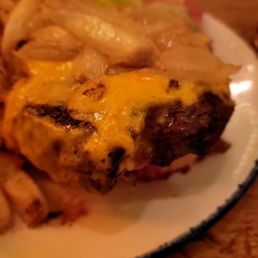

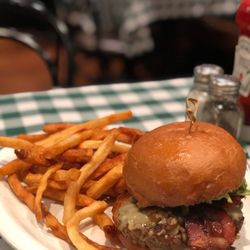
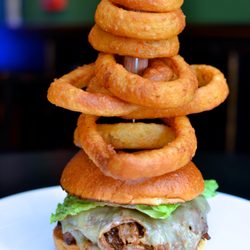
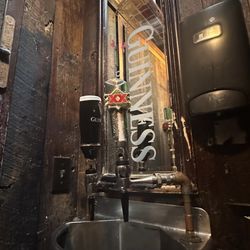
Why does a Irish Pub of all things have one of the best burger deals in the city? If both baffles me and also is so New York that it feels just right as well. Anyway, I've been here twice. The first time I was with a group and the other time I was here alone as I was in the mood for a burger again. They have a nice selection of your normal Irish brews (my personal preference is Smithwick's as well as a a mix of Smithwick's and Guinness. Another person had an old-fashioned which was very heavy-handed with the liquor (which I don't mind.) We decided to start with the Irish Spice Bag on my recommendation from another spot which is 15$ here which they list as "Ireland's Favourite Take-Away. Fried Chicken, Fries, Peppers, Onions, and Chili Peppers." It came with some curry sauce which was very tasty and the sauce also helped with the grease from all the fried foods in it. Nice big portion and very easy to share. I went with the beef burger (medium rare as usual) which is normally 18$ but I got it for 20$ with cheese (cheddar of course) and caramelized onions. It was either served with fries, onion ring, or if you're looking for something healthier a potato salad. The burger is massive and it was cooked properly both times I was here. I got the fries both time and the fries are tasty though I do prefer them a bit crispier. The onion rings another person ordered were tasty and quite large while the potato salad was fine. The coleslaw was fine as was the rest of the stuff served. It's not the best burger patty you'll ever have but it's hard to find a better deal. Most massive burgers in NYC outside of steakhouses are dry hockey pucks or so greasy that they aren't good and this is a definite delicious exception. Very friendly Irish staff and the bartender is also quite friendly. Not much really to complain about here. Mid 4 for the deal. Just don't go in expecting a fancy restaurant.


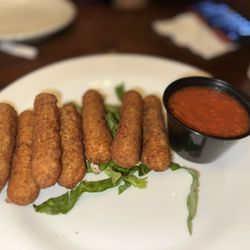
Upon first walking into Mollys, i was so surprised. It was decked to the nines with christmas lights, irish and NYC fare. I loved the decor. It's a clean place, doesnt smell like your typical NYC irish pub either (you know...that toilet and fabiloso smell). overall the dishes are pretty expensive. i paid $15 for 4 mozz sticks. and $22ish for a grilled chicken sandwhich with fries. Your beers will be $8 and drinks around $12, which isnt bad for NYC. The food, is a bit steep for what it is - although the food was GOOD, the fare is just simple. Onto the good shit... the mozz sticks come in a 4, and they are house made. they are so good! the sticks are big and thick, super cheesy, and come with a sauce. this sauce can be left alone. the sticks have a light bread outside and theyre lightly fried. the pesto on the chicken sandwhich was amazing. i think the thing that made this sandwhich stand out was the pesto. so much garlic and texture! fries were okay, nothing special. my friend grabbed the burger and she liked it, my other friend grabbed the fish and chips and she LOVED them. the service was good too.


18 years ago

18 years ago


19 years ago

7 years ago

5 years ago


14 years ago


12 years ago

15 years ago

12 years ago

13 years ago

14 years ago

17 years ago

9 years ago
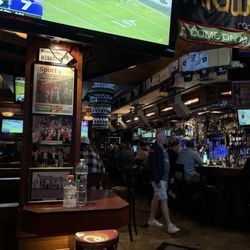
Came with some friends the Sunday afternoon following a big night out, and Molly's gave us what we needed. The front door has got to be the smallest door I have ever walked through in the tri-state area... The booths are also kind of cramped. People taller than 5'1" who weigh over 90 lbs might find the seating uncomfortable, but I'm not over those measurements so I was OK. Otherwise, the interior is very cozy, dimly lit, and even features the classic sawdust-covered floor. We had two brunch items and a French onion soup. Service seemed a bit slow, surprising as the place was only half full (food seemed to take a little long, and we had to ask for water a few times before getting it). Friend who got the soup only thought it was alright, but I enjoyed my Eggs Florentine and it seemed the friend with the full breakfast enjoyed that as well. Eggs were poached to perfection and the hollandaise was too yummy! Home fries were good too, but I wouldn't say this dish is worth $16 without the free drink it comes with (although that's typical at brunches). My Bloody Mary looked very transparent, I usually prefer them nice and opaque and tomatoey, but this one tasted good so no complaints! I also wasn't carded which is weird because I look 16 or under even though I'm 22, so I usually get scrutinized pretty heavily... However, when the bill came out, a mistake was made and our free drinks were actually charged. Luckily, we noticed the oddly high total price, figured out what was wrong, and told the waitress, who fixed the issue, so no biggie, but I'd suggest being vigilant with the bill here when you order brunches-- Not saying they purposefully try to trick you into paying, but maybe this mistake is often made, especially if they're particularly busy, because the brunch is only a small part of their menu. Overall, the place is nothing incredible, but it's quaint and exactly what you want for Sunday brunch recovery. I'd want to give it 3.5 stars. read more


15 years ago


7 years ago
Business owner information

Peter O.
Hi Gerard,…


17 years ago


8 years ago

13 years ago

9 years ago
Small, quiet place with a friendly down home feel. The staff are super friendly and the crowd is super chill. Definitely a place where you can have a conversation at normal volume. Great place to toss back a few pints and enjoy great food without feeling rushed or cramped. Prices here are above-average for similar pub fare and drinks, but you cannot beat the vibe or ambiance. I will be back. read more

Business owner information
Peter O.
Dear Michael,…

16 years ago

16 years ago

13 years ago


13 years ago

19 years ago

16 years ago


7 years ago
More info about Molly's
287 3rd Ave
New York, NY 10010
Gramercy
Directions
(212) 889-3361
Call Now
Visit Website
http://www.mollysshebeennyc.com
Hours
Payment methods
Food & Alcohol
Indoor Amenities
Outdoor Amenities
Other Amenities
From the Business
More Info
Health Score
Ask the Community - Molly's
Will you be serving Christmas dinner on Christmas Day?
Yes. Please email info@mollysshebeennyc.com for further inquiries and reservations
Review Highlights - Molly's
You might also consider



























Why does Yelp recommend reviews?
47 reviews that are not currently recommended
The reviews below are not factored into the business's overall star rating.
13 years ago
15 years ago

15 years ago
13 years ago

14 years ago
16 years ago
15 years ago

5 years ago

2 months ago

7 years ago


13 years ago

8 years ago
9 years ago

7 years ago
10 years ago

10 years ago

10 years ago

8 years ago

5 years ago


