
AMC Oakbrook Center 12 Photos



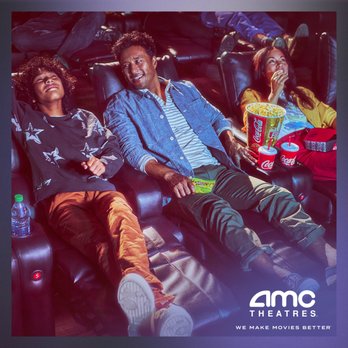
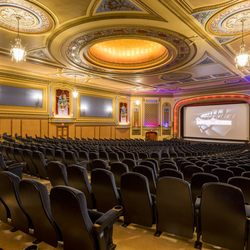
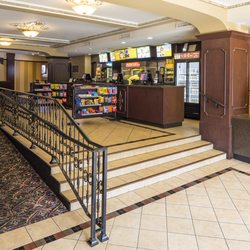
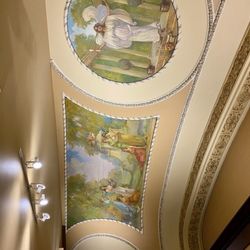
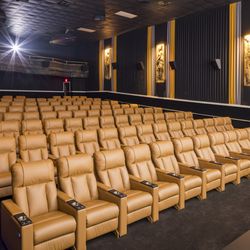
AMC OAKBROOK CENTER 12 ATMOSPHERE
What's the vibe?

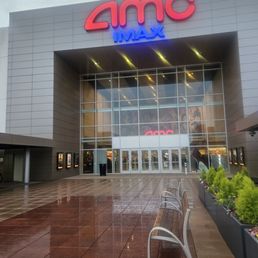
You might also consider


More like AMC Oakbrook Center 12
Recommended Reviews - AMC Oakbrook Center 12
Start your review...


Reviews With Photos


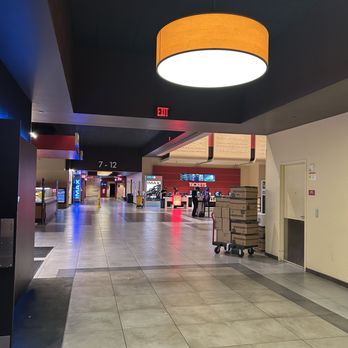
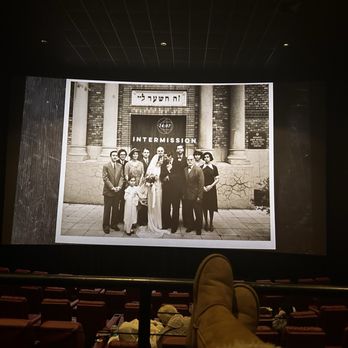
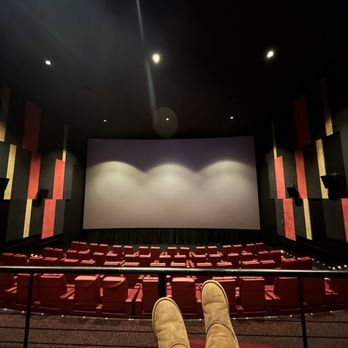
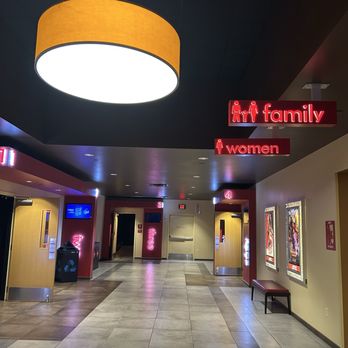
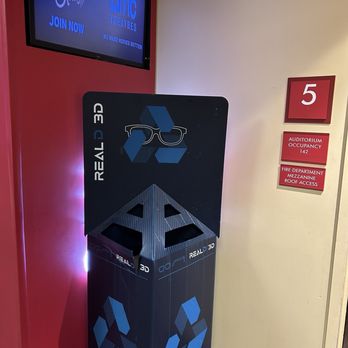
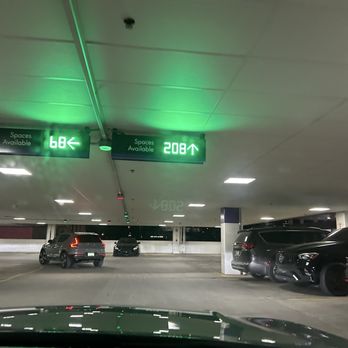
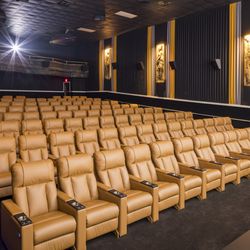
The parking garage is huge and it tells you how many spots are left as well as which ones are open (green light) or are for those who can have the handicap spots (blue light). Just make sure you are at the right theater bc there are 2 AMCs in this Oakbrook Center (AMC 4 and 12). Just be careful. The seats recline and are very comfortable. It's not a dine in theater. The theater is nice, modern, and has all the stations for food, drinks, condiments, and a rest area w tables before you go inside to the auditoriums. But the parking lot is big and confusing and the 2 theaters make it more confusing. I would say combine them into 1 to reduce the confusion.


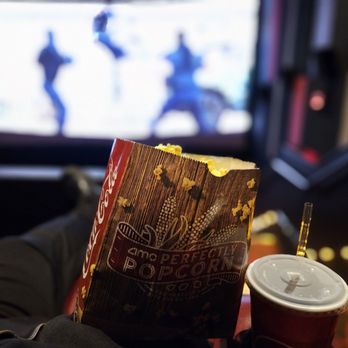
The room was good....although sitting in the back row extending my seat out when people came to get past therr was no room and I had to retract the seat each time......popcorn was ok. We checkin was easy and theater was crowded......


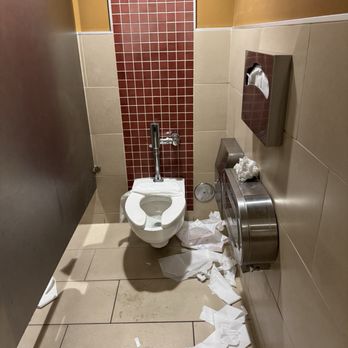
Bathrooms are not tended to at all. Other patrons have complained and said the managers don't care. They have tried to ask before for help. It doesn't change. Here's a photo to get an idea of it.


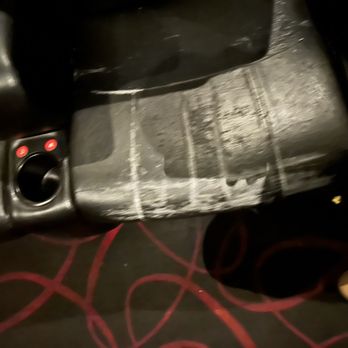
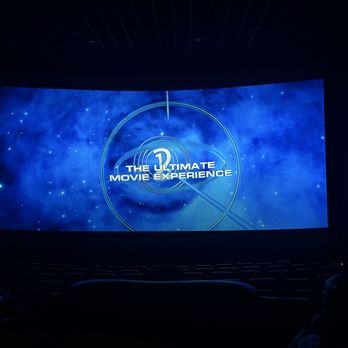
I recently went to the AMC IMAX theater, and honestly, it was such a disappointment. The experience felt more like a letdown than the premium outing I expected. For starters, the theater isn't being maintained at all--some of the chairs were torn and felt uncomfortable, which really takes away from the whole "immersive experience" they promise. Overall, it feels like AMC is just coasting by on their name without putting in the effort to deliver the quality their customers deserve. Definitely makes me think twice about going back for an IMAX screening anytime soon even though i am a Premiere member. And whats worse is the annual price is going up 2$.
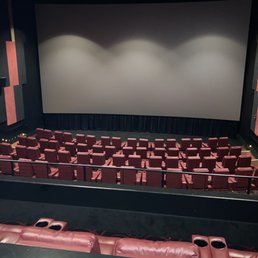

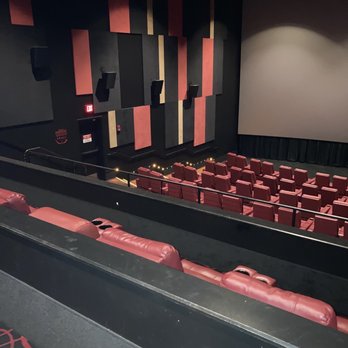
In my vast moviegoing experience, this is by far the best AMC location we've visited in the Midwest (at the time I'm leaving this review). It's hard to top the AMCs of the Chicago suburbs (unless you're visiting the east or west coast). We were visiting the Oakbrook area and popped in here on a Friday afternoon for a 12pm showing of the latest Thor movie. Upon entering AMC we were greeted by our ticket taker and headed to the concession area. (Buy your tickets online or via the app ahead of time so you don't have to wait in line.) The concession area was clean and well-stocked. They did have some signs posted that mentioned supply issues and being out-of-stock on some items. Not sure what they were because there was so much to choose from. I'm used to the AMC paper buckets for large popcorn orders, but they didn't have them at this location. Just large bags. We didn't get a refill. The movie theater itself was extremely clean and all seats reclined. This was our first time in a theater where all the seats reclined. Nice. There were about 20 people total in the theater. No one sitting next to us or in front/behind us which was also nice. Sound and picture quality were all excellent, too. One thing I really appreciated as we were leaving was the fact that all guests cleaned up after themselves. Except for the occasional popcorn kernel there wasn't too much on the ground that needed to be swept up by staff. This is quite a stark difference from the lazy individuals in my home state who can't seem to figure out how to dispose of their trash after a movie. Use the mall parking ramp and take the escalator up to the entrance of AMC. Free parking. Highly recommend if you're in the western 'burbs.


The recliners are spacious and cozy and the screen in our small theatre was surprisingly big!! Parking is free, but I accidentally parked really far away. I had a hard time navigating the correct location and entrance, and ended up sprinting .8 miles across/around the mall since my GPS took me to the old, closed theatre. But once I found this place (enter via escalators in purple parking structure) it was a good experience. Except for the concessions. My friend had bought us popcorn before I arrived ($10) and I wanted to grab a soda, so I went to stand in line, behind nearly 20 other people. There are 2 lines: one for VIP folks, one for normal folks like me. My line barely budged and I was afraid I'd miss the start of the film, so I bailed on my Diet Coke, sadly. The popcorn was really good. Matinee shows are a bit cheaper. I think I paid $8.75 each, plus convenience fee to book in advance. You get to select your seat location, which was a nice perk. Our theatre was nearly full, so I'd suggest booking in advance.
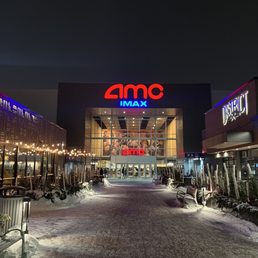

6 months ago
Business owner information

AMC Theatres
Hi Barbara, thank you so much for your feedback. We are sorry you…

27 days ago
Business owner information
AMC Theatres
Hi Graciela, we’re sorry to hear about your experience. The condition…

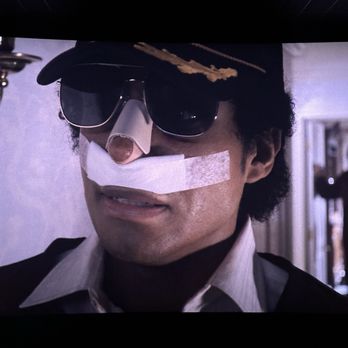
My family and I came to see the new movie Michael and we were having a great time and this is our home theater, but not for long. To begin, their soda machines are watered down. I talked to the manager and she said "yeah they are. Sorry about that. We tried fixing it and no luck." It's sad the that theater can't get soda right in a new kiosk machine. Might want to sit down for this! While watching the movie, the small wall divider that separates the row you're in with the row in front of you had a cockroach run across it. The theater is dark but with the bright screen glare reflecting off the glossy mini wall paint it was clear as day! We will not be coming back to this theater after today. It's crazy that the theater can't keep up with cleaning or servicing the facility. read more


4 months ago

4 months ago


The parking garage is huge and it tells you how many spots are left as well as which ones are open (green light) or are for those who can have the handicap spots (blue light). Just make sure you are at the right theater bc there are 2 AMCs in this Oakbrook Center (AMC 4 and 12). Just be careful. The seats recline and are very comfortable. It's not a dine in theater. The theater is nice, modern, and has all the stations for food, drinks, condiments, and a rest area w tables before you go inside to the auditoriums. But the parking lot is big and confusing and the 2 theaters make it more confusing. I would say combine them into 1 to reduce the confusion. read more



Business owner information
AMC Theatres
Hi Karina, thank you for your review and great feedback! We are so…

The room was good....although sitting in the back row extending my seat out when people came to get past therr was no room and I had to retract the seat each time......popcorn was ok. We checkin was easy and theater was crowded...... read more

2 years ago
Business owner information
AMC Theatres
Hi Bryanna, thank you for your feedback. We're sorry to hear about…

2 years ago
Bathrooms are not tended to at all. Other patrons have complained and said the managers don't care. They have tried to ask before for help. It doesn't change. Here's a photo to get an idea of it. read more

9 months ago

2 years ago
I recently went to the AMC IMAX theater, and honestly, it was such a disappointment. The experience felt more like a letdown than the premium outing I expected. For starters, the theater isn't being maintained at all--some of the chairs were torn and felt uncomfortable, which really takes away from the whole "immersive experience" they promise. Overall, it feels like AMC is just coasting by on their name without putting in the effort to deliver the quality their customers deserve. Definitely makes me think twice about going back for an IMAX screening anytime soon even though i am a Premiere member. And whats worse is the annual price is going up 2$. read more


1 year ago

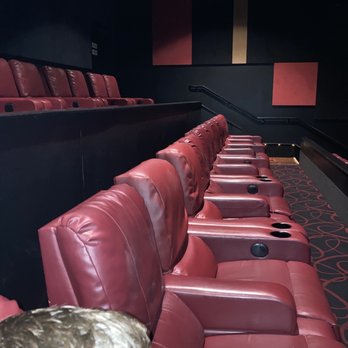
In my vast moviegoing experience, this is by far the best AMC location we've visited in the Midwest (at the time I'm leaving this review). It's hard to top the AMCs of the Chicago suburbs (unless you're visiting the east or west coast). We were visiting the Oakbrook area and popped in here on a Friday afternoon for a 12pm showing of the latest Thor movie. Upon entering AMC we were greeted by our ticket taker and headed to the concession area. (Buy your tickets online or via the app ahead of time so you don't have to wait in line.) The concession area was clean and well-stocked. They did have some signs posted that mentioned supply issues and being out-of-stock on some items. Not sure what they were because there was so much to choose from. I'm used to the AMC paper buckets for large popcorn orders, but they didn't have them at this location. Just large bags. We didn't get a refill. The movie theater itself was extremely clean and all seats reclined. This was our first time in a theater where all the seats reclined. Nice. There were about 20 people total in the theater. No one sitting next to us or in front/behind us which was also nice. Sound and picture quality were all excellent, too. One thing I really appreciated as we were leaving was the fact that all guests cleaned up after themselves. Except for the occasional popcorn kernel there wasn't too much on the ground that needed to be swept up by staff. This is quite a stark difference from the lazy individuals in my home state who can't seem to figure out how to dispose of their trash after a movie. Use the mall parking ramp and take the escalator up to the entrance of AMC. Free parking. Highly recommend if you're in the western 'burbs. read more



5 years ago
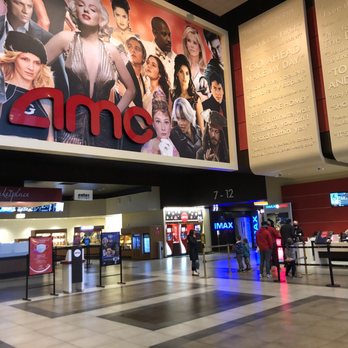
The recliners are spacious and cozy and the screen in our small theatre was surprisingly big!! Parking is free, but I accidentally parked really far away. I had a hard time navigating the correct location and entrance, and ended up sprinting .8 miles across/around the mall since my GPS took me to the old, closed theatre. But once I found this place (enter via escalators in purple parking structure) it was a good experience. Except for the concessions. My friend had bought us popcorn before I arrived ($10) and I wanted to grab a soda, so I went to stand in line, behind nearly 20 other people. There are 2 lines: one for VIP folks, one for normal folks like me. My line barely budged and I was afraid I'd miss the start of the film, so I bailed on my Diet Coke, sadly. The popcorn was really good. Matinee shows are a bit cheaper. I think I paid $8.75 each, plus convenience fee to book in advance. You get to select your seat location, which was a nice perk. Our theatre was nearly full, so I'd suggest booking in advance. read more


2 years ago
Business owner information
AMC Theatres
Hi Jeff, thank you for your feedback on the IMAX seating. We…
1 year ago

2 years ago

4 years ago
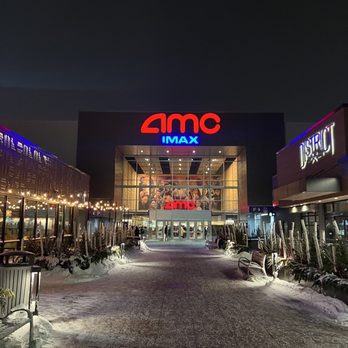
My favorite movie theater location in the Chicago area, AMC and others. The location is fantastic. Right off of 88, and 355 it's an easy drive from nearly any direction. Once you are there, the parking garage being situated directly under the theater makes parking easy every time regardless if it's sunny or storming. If you get there early, tons of options for activities or food such as the nearby Potbelly's or the always scenic walk around the mall. Don't get this confused with Oakbrook Center 4 in the back rooms of the mall that I'm not really sure has a reason to still exist. Ive always had good experiences with the staff, and check in always goes smooth. Note: they WILL card you for A-list. I usually just see Dolby theater which has massive seats and a pretty impressive screen. It does seem to be a fair bit bigger than the Dolby in Naperville. Some other standard theaters here have the large recliners but not all. Overall this is a fantastic theater that I've gone to for several years and with A-List I plan to keep coming here with regularity for years to come. In part this is due to me not being lucky enough to have an AMC within 45 minutes, but other theaters don't have such a great mall with so much to do directly attached. read more

2 years ago
1 year ago

4 years ago
Randomly decided to go catch the new Jordan Peele movie, NOPE with my partner. Booked in Oak Brook, however this isn't our go to theatre. I arrived at center 4 parking garage as described our ticket confirmation and gps. Full warning, this theatre isn't that easy to find. A lady sitting outside had to tell us where to go, after looking for the theatre for a few minutes. Arrived at the AMC, and was advised by an associate that we were still at the wrong location and we needed to take a 5 min walk through the outdoor mall to the other theatre. At this point we were a bit irritated. Arrived at center 12 and there were no associate at the door, the staff at the concession stand weren't clear on who was there for A-List and instead called out next customer... this lead to minor arguments amongst patrons about being a list and no verification done on the staffs end. Which was just an added layer of irritation. After ordering staff weren't complete clear on orders. Things just seemed chaotic. Arrived to our theatre. The seats were very small, uncomfortable, and made noise each time you would move. The movie was great, however this isn't the experience I expected. read more
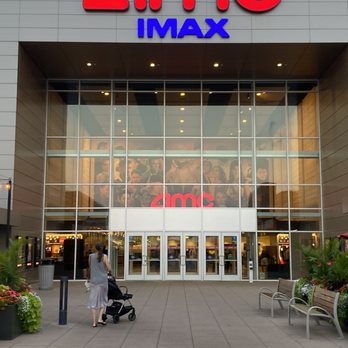



We have been here a few times. On our last visit here last weekend, we weren't very impressed with this theater. While the seats are comfy and the theater itself was pretty clean, the concessions was lacking attention. They were out of cup lids and only had one butter dispenser working. The popcorn was cold and not worth the $14. The concessions staff weren't busy so there's really no excuse for this. Also, there were WAY too many ads and previews before the movie. It was excessive and not necessary. read more


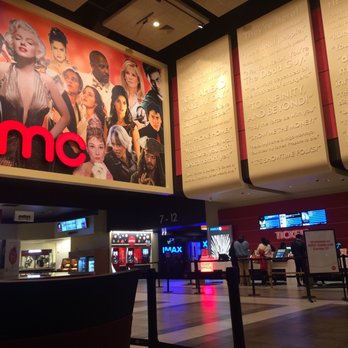
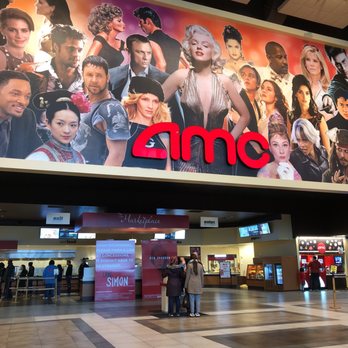
This is one of my neighborhood AMC theater. I like going here as it's attach to the Oakbrook mall and near the food court. The checkin Entrance is pretty quick. I typically use fandango to amc to buy my tickets do scanning is quick. There's plenty of parking and it a fairly new theater. I'm a vip PERMIER club member so they do recognize my status when I'm in permier line to pay for my food even though the other line is longer. There is a waiting area that has TVs and a bar for adult drinks. It's a good area to wait for others or just to enjoy a drink or two. The staff is friendly and the food stations are pretty clean when I'm there. The restrooms are also pretty much the same food amount of stalls and it's stocked as needed. I hate stalls with no toilet paper! The seats are recliner seats and the overall movie experience is pretty good. I'd go back here again. read more


4 years ago

3 years ago
I ordered tickets through Atom app and pickup was easy. There were people available to assist with anything. Seats were warm and comfy and there was not many people. IMAX was a great choice to watch a good movie. read more

2 years ago
2 years ago
3 years ago
2 years ago

This AMC is huge! I love how updated and clean it is. We drove out of cook county to this location. They are still accepting non vaccinated people ( mask mandate still enforced). The leather red recliner seats add to the updated feel. I appreciate not having to seat in butter covered seats ( aka my childhood in the 90s). Overall it's worth a visit if you are in the area! read more


7 years ago
0 stars for cleanliness. I don't think they clean the theater between movies. There was spilled pop and popcorn all over our seats and the floor. read more


4 years ago
Page 1 of 4
More info about AMC Oakbrook Center 12
600 Oakbrook Ctr
Oak Brook, IL 60523
Directions
(630) 686-6023
Call Now
Visit Website
https://www.amctheatres.com
View offerings
Hours
Payment methods
Food & Alcohol
Indoor Amenities
Outdoor Amenities
Other Amenities
From the Business
Ask the Community - AMC Oakbrook Center 12
Do all the theaters have reclining seats?
Every theatre except for the IMAX theatre which has nice new leather seats but they aren't recliners. Otherwise, all of the standard theatres have nice new leather recliners and the Dolby theatre also has leather recliners but they are a different…
Does AMC oakbrook 12 offer alcoholic beverages?
Yes they do, but many times I've been there... There was no one to serve any alcoholic drinks, only bottled beer.
Review Highlights - AMC Oakbrook Center 12
You might also consider






















Why does Yelp recommend reviews?
7 reviews that are not currently recommended
The reviews below are not factored into the business's overall star rating.
1 year ago
1 year ago
1 year ago

9 years ago
6 years ago
3 years ago
1 year ago


