Heathrow Airport Photos


Recommended Reviews - Heathrow Airport
Start your review...


Reviews With Photos


Clean, Beautiful and easy to navigate this airport. Super friendly & helpful airport workers and such easy directions and walking distance to the terminals. Excellent and efficient execution in Security/immigration. Such focused people doing their job at the best. Common waiting place gets a bit crowded but tons of restaurants, coffee places, browsing area to look into. If you have an access to a lounge, it will be awesome.


Not much to rave about here. Getting around this airport is surprisingly cumbersome, often requiring multiple transfers between buses and trains just to reach your destination. The food options are also underwhelming. While I didn't visit every terminal, I did spend time in the major ones. There are a few snack stands and a couple of decent restaurants, but very little that is both quick and genuinely good. The sit-down restaurants I tried were solid, but they're not always practical when you're short on time. My biggest frustration was Terminal 5. The gates are incredibly far from the main food and shopping area, and a glass wall runs down the middle of the corridor with very few crossover points. To make matters worse, when an arriving flight is deplaning, sections of the hallway are closed off, forcing passengers to wait around 20 minutes before they can continue walking. It's an unnecessarily inconvenient design that makes navigating the terminal far more frustrating than it should be.

Heathrow Airport is where I landed when I came to London from Los Angeles. I landed in terminal 2 which is named the Queen Terminal. This was my second time in London and my first time was also landing in Heathrow Airport as well. The landing was fine, exiting the plane was good, going through the broader agent was simple and picking up my baggage was great. I also flew out from Heathrow to go to Germany which was my layover before going home to Los Angeles. The only issue I experience here was the check in desk was not open until like an hour before my departure. Then the walk from the baggage drop off and security was far.


Very easy entry process to the UK. You do have to register ahead of time on their governments website. It costs a bit, but it's good for a few years. Although once you're exiting the airport, it's confusing where to go to get picked up by Uber. We had to ask someone. You gotta take the elevator to level 1, which is the carport (garage), and then you walk to Row R. You'll see the group of people waiting. Although there's no signs to lead you there. You just gotta start walking 'til you walk in the direction of Row R.

Heathrow Terminal One was gross. Landed here on a brief layover from Belfast. I've been to other terminals and they're clean and less crammed. Usually, this airport is very good. Terminal One was having a bad congested day!


This is a very busy airport and a bit of a challenge to navigate, especially when you fly in and have a connecting flight in a different terminal. Since we missed our connecting flight due to a delay with the incoming flight, we ended up getting re-booked for a flight 6 hours later. Not fun. But, this airport has tons of high end shops, if that is your gig. I was not impressed by their deletion of good places to eat, though. They do have sections of general seating areas, which are nice, especially with all the throngs of people going in every direction and all at one time.


Finally got to experience it. Heathrow is massive!!! Get ready to get a good amount of steps. Great to use the rail system to get to and from the airport.


Not bad at all! Quick moving all throughout, from getting the boarding pass, through check in, and security. Clean. Lively. Big and spacious. Easy to navigate and great signage. No negatives whatsoever.


Heathrow Airport was pretty smooth to fly in and out of when I traveled to London. Flights were on time and security was pretty smooth. I also found a cool British store beyond security where I purchased a tshirt and socks. There were tons of food options and restrooms were readily available. Our Delta gate was quite a hike from security at one end of the airport. Along our journey I noticed little cubby holes where passengers could relax or even lay down for a nap. That was cool as I've never seen this in any other airport. One was large enough for two people to fit inside. The longest wait was when we arrived and went through immigration. One of my travel companions was in a wheel chair. This line was shorter but we still waited roughly 30 minutes. I hope to go back to London again and it's always less stressful once you've experienced an airport so you know what to expect.


8 years ago

3 years ago

This airport is very busy being a major hub in Europe and popular destination for international visitors. The airport could use some updating but it's efficient getting travelers through and I was impressed with my experience recently. I also liked the dining options and different stores to visit before flying home. I had a positive experience at Heathrow airport. read more


3 years ago


Next time I go to Heathrow, I'm hoping it is to get there and stay awhile, because connecting through this airport is not a lot of fun. Allow plenty of time to get through security!!! Yes, you have to go through security again even if you did so in the US. (especially so, probably). They are way more picky (careful) about liquids!! We were unfortunate to get stuck behind a woman carrying a whole bunch of tiny vials of liquid (perfume samples?). Really, couldn't those have been packed in checked luggage? While we might have been inconvenienced, gotta feel for the security folks here! There are lines and more lines. Plan for bathroom breaks accordingly! Also note they even check to see what time your next flight is before entering the gate area. And they didn't tell us which gate specifically until right before boarding. Once we finally got through the gate area we were relieved to find a welcoming Crown Rivers for a well-needed drink. The good news is that all this means we can all be reassured that this is a safe, secure airport and that really is what's most important. read more


3 years ago

8 years ago
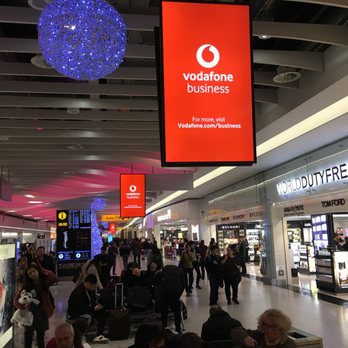
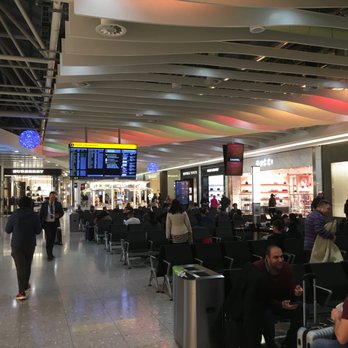
An Airport of Beauty & Efficiency 'Ello chaps! London's Heathrow International Airport is of the busiest passenger airports in the world, yet they make it pretty easy to get around to where you need to go. There is lots of signage clearly showing where particular terminals are. There are lots of shops and dining options. One of the best things is that you can avoid long lines at check in by using some of the self serve kiosks. Heathrow is easily accessible to the downtown London area by taxi, traditional rail, or the Heathrow Express rail service (which is a fantastic and worthwhile option). The airport overall is grand, yet modern. read more




2 years ago
2 years ago
2 years ago
2 years ago

8 years ago


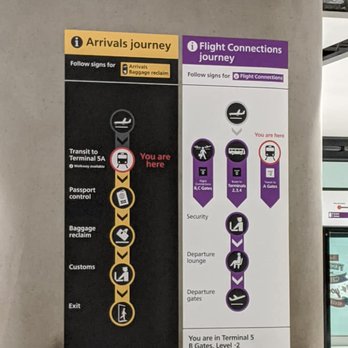
Atlanta is still my fav airport... but, the shopping in Heathrow can't be beat! Heathrow is definitely the largest airport I've ever visited. To land in Terminal 3 and then take a bus to Terminal 5 - which takes 9 whole minutes - says a lot about it's size. The layout is easy with arrows and diagrams to lead you every step of the way. The are stringent about their "liquids on board" rule so pare down on lotions and potions going thru here. They do however give you small, clear plastic bags so that you know exactly how much you can carry with you when it comes to liquid items. Now, back to the shopping - Harrods, Kurt Geiger (bought a fantastic pair of tennies here), Gucci, etc. They also have great nom nom's and snacks - including an oyster bar and champagne bar. Believe me, my four hour layover flew by. There are plenty of seating areas and the way it's broken up in the terminals you feel like you're in an actual mall instead of an airport. read more

3 years ago

7 years ago
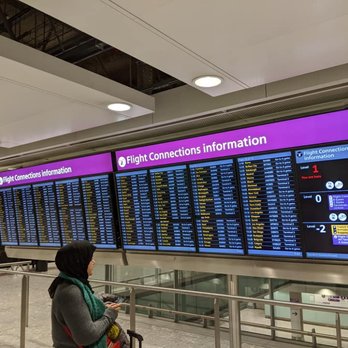
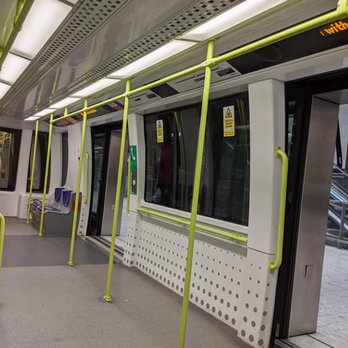
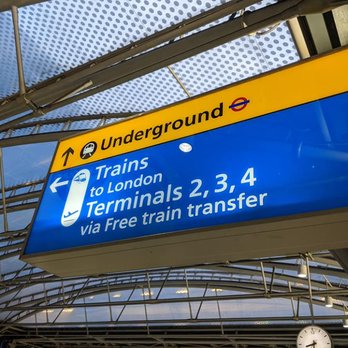
Heathrow is obviously and naturally busy. My last trip here I flew in from Chicago and it was a very simple easy process. Security here is very nice and went out of their way to help me find what I was looking for. Speaking of security, there's lots of it. I found it for the most part very easy to navigate. Extremely clean, reminded of Munich and others. For it's size I was expecting to see some area's that weren't clean but it was pristine everywhere we went. read more






9 years ago

3 years ago
2 years ago


9 years ago


7 years ago

This airport has tons of things to do as there are many high end duty free shops and restaurants to keep you busy. The reason for the average rating is the layout of this airport is far from intuitive. Architecturally, it is beautiful, but who ever designed this airport didn't consider it impact on the elderly, less abled, or people carrying luggage. You have to go far to get around in this airport. This airport is big. It should have been designed more user with luggage friendly. read more


3 years ago
4 years ago


9 years ago


3 years ago
More info about Heathrow Airport
Heathrow Airport Reviews in Other Languages
Review Highlights - Heathrow Airport















Why does Yelp recommend reviews?
64 reviews that are not currently recommended
The reviews below are not factored into the business's overall star rating.

3 months ago

12 years ago

2 years ago


1 year ago

10 years ago

12 years ago

1 year ago

9 years ago

3 years ago
3 years ago

8 years ago

8 years ago
4 years ago
14 years ago


4 years ago


