
Naju Gomtang Photos


Business Info






NAJU GOMTANG ATMOSPHERE


You might also consider


More like Naju Gomtang
Recommended Reviews - Naju Gomtang
Start your review...

Reviews With Photos


The samgyetang or chicken ginseng soup, had a light and healthy broth, with its contents suffused in the rice. The dumplings' skins came apart but had a good consistency. The bonchan was a bit lacking in variety.
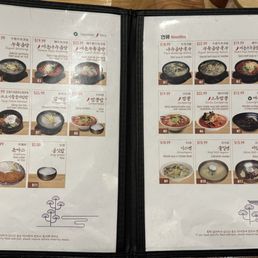

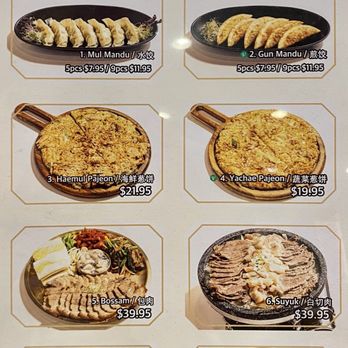
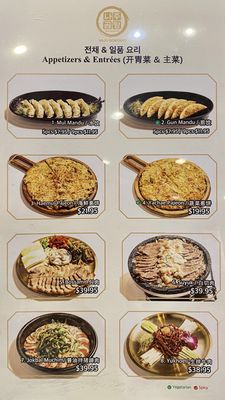
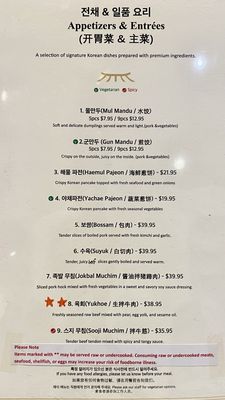
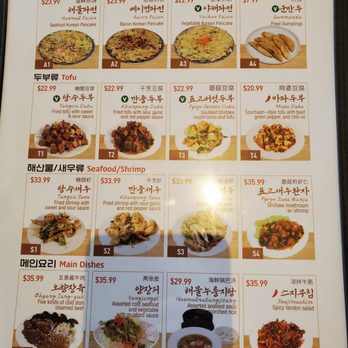
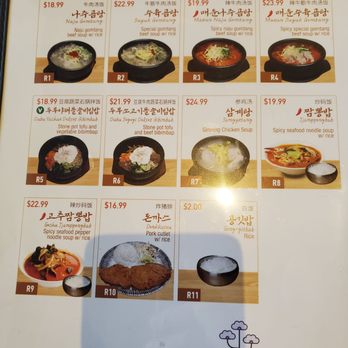
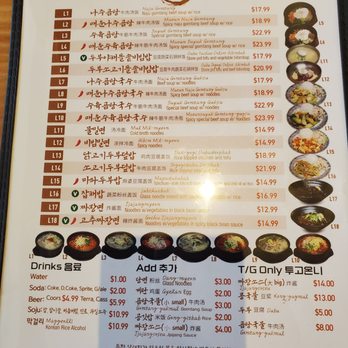
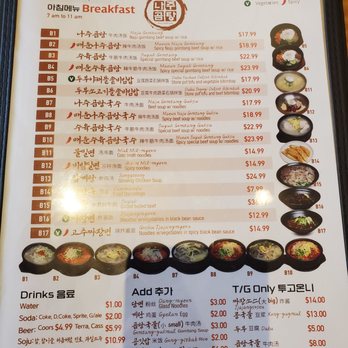
Many of the stores in the Murray Hill Plaza strip mall on Northern Blvd have turned over and we wanted to try a bunch of the new ones, like Naju Gomtang. It wasn't too busy on a Tuesday night and we were seated promptly at a table with the long bench along the left wall. For some reason, there is an antique Coke machine as you walk in. There are also a few semi-private dining booths along the opposite wall. It seems the tables are custom made with a built-in hidden drawer holding napkins, chopsticks and spoons. I say it's custom made because the drawer dividers are a perfect snug fit for the napkins & utensils. The menu is pretty extensive and it helps that there are pictures and descriptions for each dish. The Seafood Scallion Pancake is THICK and crispy on the outside. It's more batter than seafood or scallions, but it is twice as thick as any I've ever seen and is very filling. The sweet soy sauce on the table goes very well with it. We had to try the restaurant namesake, Naju Gomtang Guksu Noodle Soup. The milky beef bone broth must have been simmering for hours, if not days and was full of flavor to go well with the chewy, handcut noodles. I was expecting pieces of beef in the soup, but that is in the "special" beef soup that I'll have to remember to order next time. The Dolsot Bibimbab is also good with lots of meat & vegetables atop a bed of rice in a hot stone bowl and topped with a runny fried egg. The bowl could have been hotter to create the crispy rice layer that we like. You mix it up yourself with the gochujang fiery red sweet/hot sauce and you're good to go. Japchae is one of my wife's favorite Korean dishes, so we had to have that. We also had the Shiitake Mushrooms & Crispy Tofu , a very Chinese vegetarian dish, which had a tasty brown sauce. Pass the rice, please!


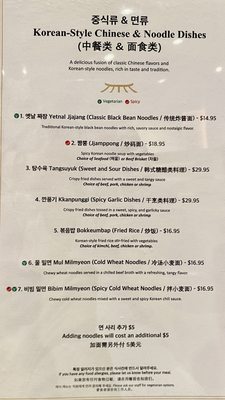
My friends and I came to eat a much needed Asian meal after a weekend away and this truly cured us! The gomtang was warm and inviting. It came with beef slices and glass noodles inside and a side of rice. I didn't think it was too bland but still added a small pinch of salt. It's not something I'd crave all the time but still enjoyed it eating it! What surprised me was the tangsuyuk! We got the beef and it was amazing!! I honestly think my favorite of all the Chinese Korean places in the bayside/flushing area. The radish banchan was also SO GOOOD - probably my favorite that I've had in a long time too. Eager to come back for this and try some other dishes as well. Service was quick and lots of seating, for big groups too! Being in the Hmart plaza is another plus with the parking lot!


This place is SO GOOD. I'd eat here so often if it was more easily accessible by train. If you do have a car, it's definitely worth a visit. Located in a strip mall area with parking in deeper flushing, this inconspicuous Korean spot is a perfect spot for some yummy Korean food. Was specifically craving gomtang and got that, bibim naengmyeon, and jajangmyeon. Got the special gomtang which I think came with additional cuts of meat and that was delicious. Add some extra salt for flavor, but a perfect soothing dish for a cold day. To contrast, the bibim naengmyeong was great. Perfect funky fermented flavors mixed with bouncy noodles were great and refreshing to contrast the hearty gomtang. The jajangmyeon was also solid. Can't complain at all about it, but it is fairly standard to places you can get closer by. The space itself is big and had plenty of seating. Nice and cleanly. Wasn't busy when I went on a rainy Sunday, but can see it getting busy on a colder day. Service was also friendly and quick. 10/10 would recommend if you're looking for Gomtang especially. I would love going here more often for some classic Korean fare. It will not change your worldview on Korean food if you didn't already like it, but you absolutely can't go wrong with this spot.


First time eating here today and it was a great experience! The restaurant was cool, and service was good. We ordered the sweet and sour pork, bibimbap, and black bean noodles. Noodles were perfectly chewy, sauces were light and not overwhelming. The banchan was also not too spicy and very tasty, perfect for me. Portions are big, but can be a bit pricey. Would come back!


Korean restaurants are all about service service service. This one is no different. They are open at 7am and I have no idea why it took me so long to discover this place!! They have jajamyun and the spicy chicken dish that I adore!! The place is spacious and there are drawers at each table with spoons, napkins, chopsticks so you can just self serve - which I absolutely LOVE! We've been here 2x in 2 weeks. Service has been excellent and their pork cutlet dish is huge! It's super convenient as they are part of the shopping center with the huge parking lot in front by HMart.


The restaurant is located in a shopping center which has a lot of parking spots. Once inside the restaurant, it has a very inviting atmosphere with a lot of space and seats. (A1) Haemul Pajun was really good, it is a seafood pancake that had a nice crisp and had complimentary sauces that you mix together to your liking. (R4) Maeun Suyuk Gomtang was a hearty spicy soup that contained pieces of beef and noodles. The spice level was not too much but I think its also because you can add extra spice to your liking. After your meal is done, they give you yogurt drinks to finish your meal off. Overall a very cozy restaurant with a bright and inviting atmosphere. Visited 1/26/2025 Food- 8/10 Cleanliness- 9/10 Staff-9/10


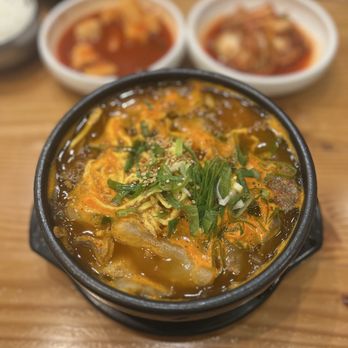
Ordered the Special Naju Gomtang, the spicy version and an order of the jajangmyeon. The special naju gomtang is bomb; it comes with loaded with tendon, chunks of beef and other cuts. You add your own salt to taste and it comes out to a simple, beefy, and flavorful broth. Paired this with rice and it's 5/5 flavor. The spicy version is the same just be careful because it's pretty spicy. The jajangmyeon is 4/5, standard jajang sauce. I think it could use a tad more flavor. The banchan is just their house made kimchi and radish kimchi. The radish kimchi is 5/5 though, it's sweet, tangy but not too tangy and crunchy. Service is excellent, wait staff is attentive, refilled our radish kimchi when we ran out. Ambiance is your typical homey Korean restaurant.


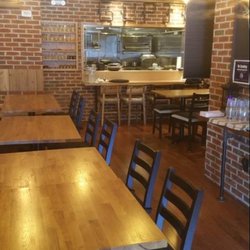
The restaurant itself is spacious, well-lit, and clean. I'm almost always seated right away, and the ladies working there are always very friendly. I recommend the Naju Gomtang or Suyuk Gomtang over the spicy versions. Whenever I visit a gomtang restaurant, I always check the kimchi and radish first to see if they're richly seasoned and nicely fermented - a sign that the soup will be on point - and they definitely are! You don't need to add your own salt and pepper as much, but it's still perfect to pair with the kimchi and radish. We also got the Tangsuyuk, a classic Korean-Chinese dish, and it was really good. Overall, a great spot for a comforting and hearty soul food meal with great service. Definitely recommend checking it out if you're in the area or looking for a nice place to dine alone!
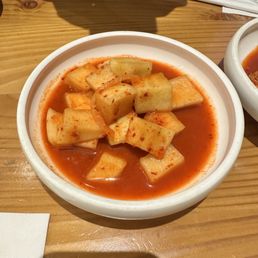

3.5 stars - I've walked by Naju Gomtang so many times, but finally came here with my fiance to satisfy some soup cravings. The restaurant is really spacious, well lit, and clean. At 8pm, about a third of the restaurant was still filled but we were seated immediately. My fiance ordered the regular gomtang with rice, and I ordered the spicy gomtang with noodles. The waitress cautioned that it's super spicy, but I like spice! Contrary to the name, the regular gomtang comes with glass noodles and rice on the side! The spicy gomtang noodles are like jjamppong noodles (the yellow ones). Not my favorite, but portions were massive. Here's the thing - the spicy gomtang is almost like a peppery spicy, where it kicks you in the back of the throat but doesn't quite lend flavor or depth to the soup itself. I still added a good amount of salt. If I come back, I'd rather get the regular gomtang and add gochugaru myself. Beef portions were quite generous. Two types of banchan are served - kimchi & pickled radish. The kimchi was really delicious, but the radish was a little too fresh for me. As for service, there was 1 lady who was really sweet, but 1 who was quite rude. There was 0 hospitality from the rude waitress, and the only time she came by was to curtly take our order & also to drop off the check.
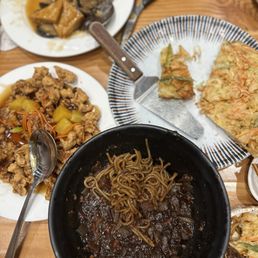

Huge portions, alright Korean Chinese fusion food. This is a very casual Korean neighborly restaurant. The Naju gomtang was a bit too salty and did not have that much depth in the soup. There were noodles which I enjoyed but it did soak up the soup pretty fast! The jjajangmyeon was super tasty and had tons of potatoes and onions mixed in! I wish there was meat, but the flavor of the black bean shined through! The sweet pork was crispy and drenched in the sweet sauce. Some parts were soggy due to the sauce but is expected. The seafood pancake was a bit thick for my liking, and the seafood pieces such as shrimp was large and I struggled to eat the pancake. Not my favorite place but it was decent and the portions are family style. We took a bunch of dishes home.


Loved it here. The ladies that run the spot are friendly and sweet. It was my first time trying yakult and I really liked it. The ladies offered me a 2nd one and one customer told me to go to H-Mart to buy some. Love older friendly Asian ladies. Noodles were delicious and loooooooooooooong. They give you scissors to cut the noodles. The sticky shrimp was delicious as well. It's a large establishment but very quiet. I loved it here and will be back.


Ordered the beef soup with noodles. It was a bit bland so you would have to add your own salt and pepper. I like to add the liquid from the kimchi and radish into the soup as well to add more flavor. I thought it was interesting that they used the jjajangmyeon noodle instead of the usual glass vermicelli other places used. So by adding that the soup was more filling. They also give a decent amount of beef and egg! Also ordered the pork cutlet w/ rice. The flavor was pretty good and it was cooked well. The price of the donkkaseu was expensive in my opinion though. Overall a decent casual spot for a quick meal.


4 years ago
This place brings so much comfort to my soul. It is like a warm hug in a bowl. This is the best spot to go to for a good bowl of beef soup. It's filled with flavor and nutrition. You can choose to either have noodles or rice with it. If you enjoy spice, the spicy version is worth trying but it does have quite a kick. I will definitely be coming back again and bringing friends, especially on colder nights. read more


3 years ago
Excellent food and fast service! I came in with a friend to this restaurant around 7pm on a Sunday night and was less busy than expected. We ordered the restaurant's signature: Naju Gomtang and the Jjamppong. We were serviced really fast and our food came out around ten minutes of ordering. The Gomtang had a rich beef broth and the beef and tendons were very tender. The Jjamppong was filling. They did not skimp out on the seafood! After our meal, they gave out complimentary yakult. 5/5 would recommend! read more


My friend and I were looking for a lunch spot on a Saturday and decided to stop by here. It didn't look like much from the outside because the restaurant has a pretty small store front but the inside is a lot bigger. Very clean and minimalistic inside. I decided to try the summer special the cold soy milk noodles - very milky and thick broth; I enjoyed eating this with the kimchi and radishes - however, my friend thought it was a little bland. We got the seafood Parkin to share and this was so good with the sauce at the table - highly highly recommend! When we were looking at this place on google, we were shocked at how low the rating was, not sure why; we both really liked it - the food came out fast and the service was typical of a Korean restaurant. This will definitely be one of the restaurant we'll come back to whenever we're around the area! read more


Beautiful and clean interior of the restaurant which is roomy and comfortable for a meal. Sat down and high hopes from the pictures menus on the outside of the restaurant. Food is definitely Chinese style Korean food. We always like to order the seafood pancake as each restaurant always has their own style of making it. This was a no for all of us at the table. The pancake was too thick, too many veggies and barely any seafood. Ended up being more of an over floured veggie pancake. The jajangmien was very tasty and not as sweet as other restaurants which we liked. There were pieces of sweet potato in it that were initially thought was pork. It was a little overpowered by the amount of onions and again lack of minced pork in the dish. Another dish we thought they skimped out on with ingredients to save a dime. The bimbimbap was decent but it was the first time we had tofu in it. Not a bad combo and I believe the tofu is made in house as they were selling fresh tofu at the front. The star of the show was the fried pork with garlic sauce. Delicious and so tasty. read more


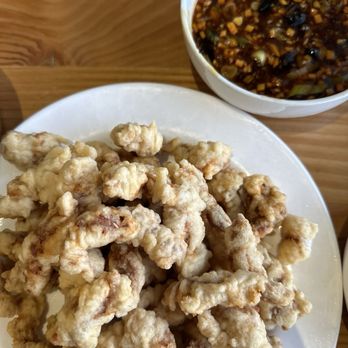


Pretty decent spot. Their portions are huge! It's probably the only place I've seen in the area that has soy milk cold noodles (kongguksu). The noodles are great. Salt, pepper and togarashi is on the side for seasoning! The noodles come unseasoned and youre supposed to season to taste ^_^ The seafood pancake is well worth the price as well. The portion is huge and it's loaded with seafood. They provide kimchi and radish as banchan and they refill it pretty quickly as soon as you're done with it. Utensils are on the side drawer of the table The menu is concise for the time being, but their food is comforting and well worth the price. Would recommend! read more


2 years ago
Dined in at around 8pm with my boyfriend and we got the beef soup with tofu and mushrooms. The portion sizes were great, food came out fast and each of the dishes we ordered had tons of flavor. I noticed that in some of the other reviews, some people have said they used different noodles in the soup however we got ours with clear vermicelli noodles that were super delicious. I also ordered a seafood pancake for togo and they packaged it very well! overall if you're looking for a comfy cozy meal this is the place for you. read more


3 years ago
Naju Gomtang has been a staple in this shopping center for many years. They have always been known for their beef rice/noodle soup. Many older and elderly Koreans come here for their soothing and healthy soups. They recently renovated, and I was surprised to see an entirely updated menu with a whole bunch of new items. I have not braved into trying other dishes yet, and have stayed with eating their staples dishes from their old menu. The new menu items are pretty much the same as all other types of Korean restaurants serving similar cuisine in the area, so I feel those dishes will really need to stand out if they want to capture customers from other more established Korean restaurants serving those dishes. New menu items also meant that have increased their prices, an unfortunate circumstance for you and me as foodies. Service is average. They leave you alone and don't really pay attention to you unless called for. They do come quickly though if you need something, just don't expect to have your water refilled or asked if you need anything periodically. They renovated the space so it feels more spacious. It feels updated but not necessarily a space that blows me away. Things to order: 1) Beef Soup with Rice or Noodle. I prefer with rice. 2) Fried Dumplings. They dumplings are crispy and not oily. Great texture and meat filling is not too heavy. read more





2 years ago
Good spacious environment with good authentic food with good service. Free Yogurt drink after the meal is a plus. Signature dish is naju beef gomtang. You will see a lot of Korean enjoying their delicious dishes. read more


2 years ago


3 years ago

2 years ago
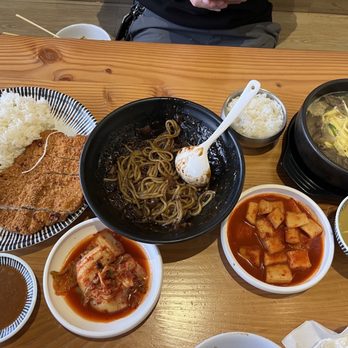
Cant go wrong with this place. I live in boston and the korean food here is reallly good. The service is quick and nice. I like black noodle, its chewy and the sauce is not salty. The beef soup is so rich and a bit light and i add to a little more salt. read more

4 years ago
The soup was so good I forgot the take a pic Pork kimchi tofu 10/10 Seafood pancake 100/10 SO CRUNCHY on the outside and soft on the inside. DELICIOUS. read more


3 years ago

Wow, this is a first. I didn't expect to be gaslit at a Korean joint so soon after opening, and for the wrong reasons. When it came to Korean comfort food, I stay away from the 'cue or any of their spicier concoctions - partly because my GI tract doesn't handle them well, but also because piling on spices disguise off-flavors. I find joy in fresh ingredients and deep, rich flavors. Comfort food like hottheok (crispy brown sugar filled pancakes), sujaebi (pasta soup served in a flavorful broth), or gukbap (soup served with rice and accompaniments on the side), which are simple but not easy to get right, which has a satisfying flavor without piling on the chiles. The closest freshly made-to-order Hottheok is at Hodo Kwaja in Toronto's Koreatown. Sujaebi is served at a few places in Auburndale - like Arirang or Daesung. As for Gukbap, the only game in town is Paksanbal Baps - a beef bone soup served with meat, glass noodles, mushrooms and banchan on the side - spicy or non-spicy is your only choice out of a menu of exactly one item. The ajimma there claimed a recipe passed down for at least 3 generations and at least 6 hours of prep time. So, Naju Gomtang is here to try and give the little old lady at Parksanbal babs a run for her soup making money, but will it work? Well, the menu says that the soup will be less milky (since no bones were used), and it's made for hours on end, possibly longer. So there is a bit of a backstory with Naju Gomtang - Naju used to house a slaughterhouse for the Japanese colonizers of Korea. The good cuts goes into cans for army rations, the pelts and hide were made into army boots and belts, the locals end up with whatever leftover, and just like any cherished food items born out of profound poverty, you try to make do with what you have. Toss the crap bits into a constantly manned cauldron, then turn it into an never-ending soup - keep skimming the gamey fat off the top and throw the rice in to bulk the dish up. Eventually the flavors meld and you got yourself a highly nutritious and deeply satisfying soup. So according to a writeup done by Michelin (the Gourmand folks) - this was the origin of the soup. And according to the menu itself, adding some spicy sour juice from the kimchi will enhance the flavor further. So when I got my serving of the Naju special (20 bucks) several things went through my head. First, the cabbage and radish kimchi seems more sour than usual. Then there is the soup, which tastes odd - the beefiness isn't quite there, and I distinctly caught something off-putting...sour notes and this anchovy-like flavor. Considering that gomtang suppsed to use soup soy rather than sea salt for flavoring, I was wondering if their soup soy had some anchovy extract (which is used sometime in seafood sujebi soups), and why this tastes...a little bit fermented - like there is this funk on the broth. Then I caught the passage on the menu about adding some pickle juice into the soup on the menu and an LED bulb went off in my head. Adding some kimchi juice into the bowl did somehow made it better - the sourness complemented the soup and it became much more palatable. The older Korean family sitting near us seemed to enjoy theirs, slurping it down with serious aplomb. Hmmm...if Naju Gomtang was supposed to originate from humble roots, then maybe it's supposed to have a slightly sour flavor, much like how Budae Jigae was a poverty food born out of spam and beans bartered from American military bases, combined with sour expired kimchi? In that case, maybe it was supposed to taste like that. But here's the thing. During my research the Michelin article never talked about the slightly sour flavor profile, and the English language writeups of Naju style Gomtang restaurants in Seoul never mentioned it either. So what the heck is going on? Is it supposed to be this way? Either ways I felt like I was being gaslit, and to be honest...you can add kimchi juice into the Park Sanbal gukbap and it'll taste much better. I am not sure if I really enjoyed it even with the kimchi juice and I definitely did not without. I didn't find it to my satisfaction. The missus had the Jajangmyeon - she said it was okay but there are better examples out there. The pajeon scallion pancake is actually a good one, crispy light and very well executed, but that's like going to Mickey D's, hating the burgers and only enjoying the fries...not a great reason to visit. Daesung on 162nd also make an equally good pajeon. Service is okay with their ajimmas and the restrooms are reasonably clean. Credit cards are accepted. Not sure if I'll return for another try, though. read more


First time we went to this place was when we planned to dine in a few months ago but I forgot my vaccination card so we had to order out. The second time we just decided to do take out. Both times we all ordered only Jajangmyeon, black bean noodles because it's our favorite. The noodles are fresh and it comes with the sauce separately so we need to mix them together which takes some time but kind of fun. If you order take out and don't eat them right away, the noodles will stick together which will be hard to mix later. I suggest you put some hot water on them a bit before mixing. They also give radish kimchi both times we ordered so I guess it's the Korean thing. We like the square sized radish rather than the other. With $9.99 price and the decent portion, we will order again. Next time we might try something else too. I wish we could have an option of adding meat and/or vegetables in the sauces. That might be much better. read more


Walkin in on last saturday afternoon. Staffs were really nice. Place was clean. They nicely introduced me the menu and made some good recommendations. We tried naju gomtang and suyuk. Tasted pretty authentic. I liked how suyuk was on a portable heating device so it stays warm. It was served with kimchi, white rice, raddish kimchi. The only part that I didn't like was raddish kimchi. I don't think they go well with rest of the food but everything else was great! Recommend to visit read more


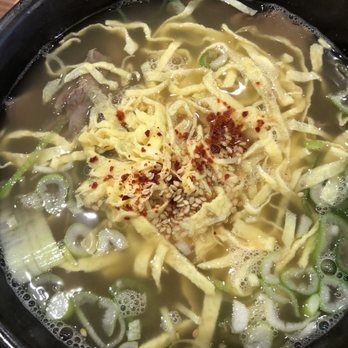
This is going to be one of the best winter dishes to have for me. I'm specifically talking about the Naju Gomtang which is delicious. The kimchi and radish kimchi compliments it so well. I haven't had any other dish here, but I have seen many people eat the jjajjangmyeun, which is the black bean noodles, which I might try next, since the people eating it seem very satisfied with it. The Naju Gomtang tastes authentic and is seasoned to perfection. So no real need to add anything extra when it's served to you, but it's there on the table just in case you want to add more. I like how the utensils are in the hidden drawer at every table. That's a nice touch. Would I recommend this place? 10 out of 10. If you're looking for an authentic Gomtang spot, I say this is it, hands down. Will definitely be back! :) read more




5 years ago
Me and my friends for sure aren't Korean food connoisseurs but we've been going to flushing for the majority of our life. The food was good and great portions. I got the regular beef with noodles which was very filling. Seafood pancake was fantastic as well. My friends got the jajamyeon and they couldn't finish. Not sure bout the other comments but this place was good. Ain't no one star establishment. Mmm good soup read more


I came here for Sunday dinner before shopping at Hmart without checking in yelp first. This place is clean, spacious, and bright with tall ceiling. I loved the cold noodle. It is so chewy and tiny spicy to the sweet side favoring. The beef briskets and tendons are no taste itself but fresh. This is the first time I tried Korean suyu. I gave 5 star to the noodle and atmosphere and 4 to the beef. read more


3 years ago
3 years ago
Love coming to Naju Gomtang! Great Korean comfort food and location is very spacious and clean. read more


5 years ago
My moms favorite place these days! Highly recommend the suyuk and seafood pajun! The radish kimchee side dish is also really good. read more


5 years ago
Lets start off with my favorite...the seafood pancake!!! Even though its a seafood pancake there was a lot of vegetables like cabbage. Some people might not like that, but I loved it. It is super crunchy and not that oily. The soup with rice was okay. I personally didnt really like the rice just dumped into the soup like that. But the flavor of the soup is on point. The meat was tender. The staff are really nice, filling my side dishes when I didnt even ask for refills. read more
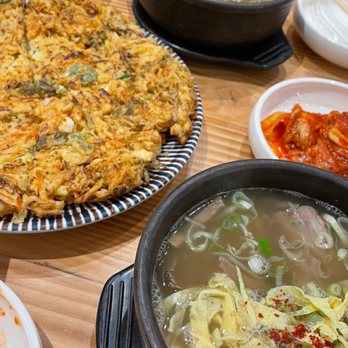

Of course I had to check this place out with my parents after word spread through the Korean ahjussi community that this new restaurant is decent. I went around 6pm on a Thursday and they were quite full. Service is super fast, they seated us immediately. There is a side drawer where you help yourself to extra utensils and napkins. For the banchan side dishes, they keep it simple with kimchi and radish kimchi. We ordered the special gomtang, haemul pajeon, suyuk, and jjajangmyun for a group of 3. They give a good amount of seafood in the pancake. My mom was impressed by the color of the gomtang broth and said it tasted really clean. The jjajangmyun was a bit salty for our liking. The cartilage pieces from the suyuk order was bomb with the sauce. We left super full. I wouldn't go out of my to come with friends but I would come back if I were eating with my parents again. read more


4 years ago
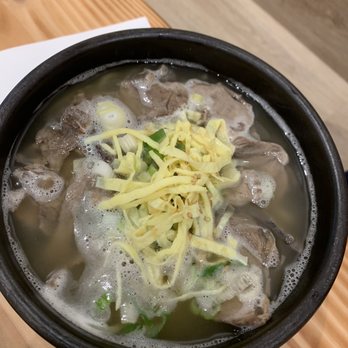
See that soup? That's their gomtang....not white at all like sulrongtang. It was all water with small pieces of brisket....noodle tastes like a cheap restaurant noodle with flourly and artificial taste. This was one the saddest meal I ever had. Menu photos are scam! I hope other people won't suffer from making same mistake as I did. Do not eat here. read more


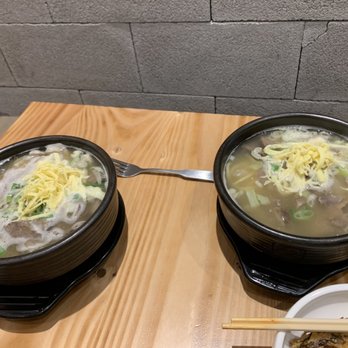
The dish that we all enjoyed the most was their seafood pancake. The beef noodle soups were good but we thought they were overpriced. The jajang myeon noodle dish wasn't good as my daughter was really disappointed since she usually loves this dish. We tried it as well and we agreed with her. We were expected several dishes of banchan but they only gave larger portions of kimchi and kimchi radish as we prefer to try several banchan instead. read more



5 years ago


4 years ago

4 years ago
Very good comfort food, the food is always consistently good, it comes out piping hot, very fresh kimchi, perfect for after a hangover. The seafood pajeon is to die for, so crispy and thicc. read more


4 years ago
2 years ago

4 years ago
3 years ago
3 years ago
4 years ago
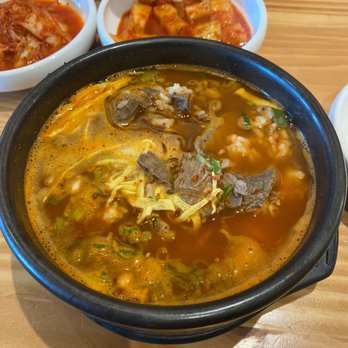
Came again since my family loves this place. This time, I opted for the spicy version and I was blown away. The broth has much more flavor and it is really spicy! Great for the cold season. Definitely going back again soon! read more

5 years ago

5 years ago
More info about Naju Gomtang
Ask the Community - Naju Gomtang
You might also consider
















Why does Yelp recommend reviews?
1 review that is not currently recommended
The reviews below are not factored into the business's overall star rating.

3 years ago
Naju Gomtang - korean - Updated September 2026
Best of Flushing
People found Naju Gomtang by searching for…
Browse Nearby
BEST of Flushing, New York Restaurants near Naju Gomtang
BEST of Flushing, New York Coffee near Naju Gomtang
BEST of Flushing, New York Things to Do near Naju Gomtang
BEST of Flushing, New York Desserts near Naju Gomtang
BEST of Flushing, New York Sushi near Naju Gomtang
BEST of Flushing, New York Parking near Naju Gomtang
BEST of Flushing, New York KBBQ near Naju Gomtang
BEST of Flushing, New York Mall near Naju Gomtang


